
Bathroom Renovation vs. Refresh: Understanding the Difference in Scope and Cost
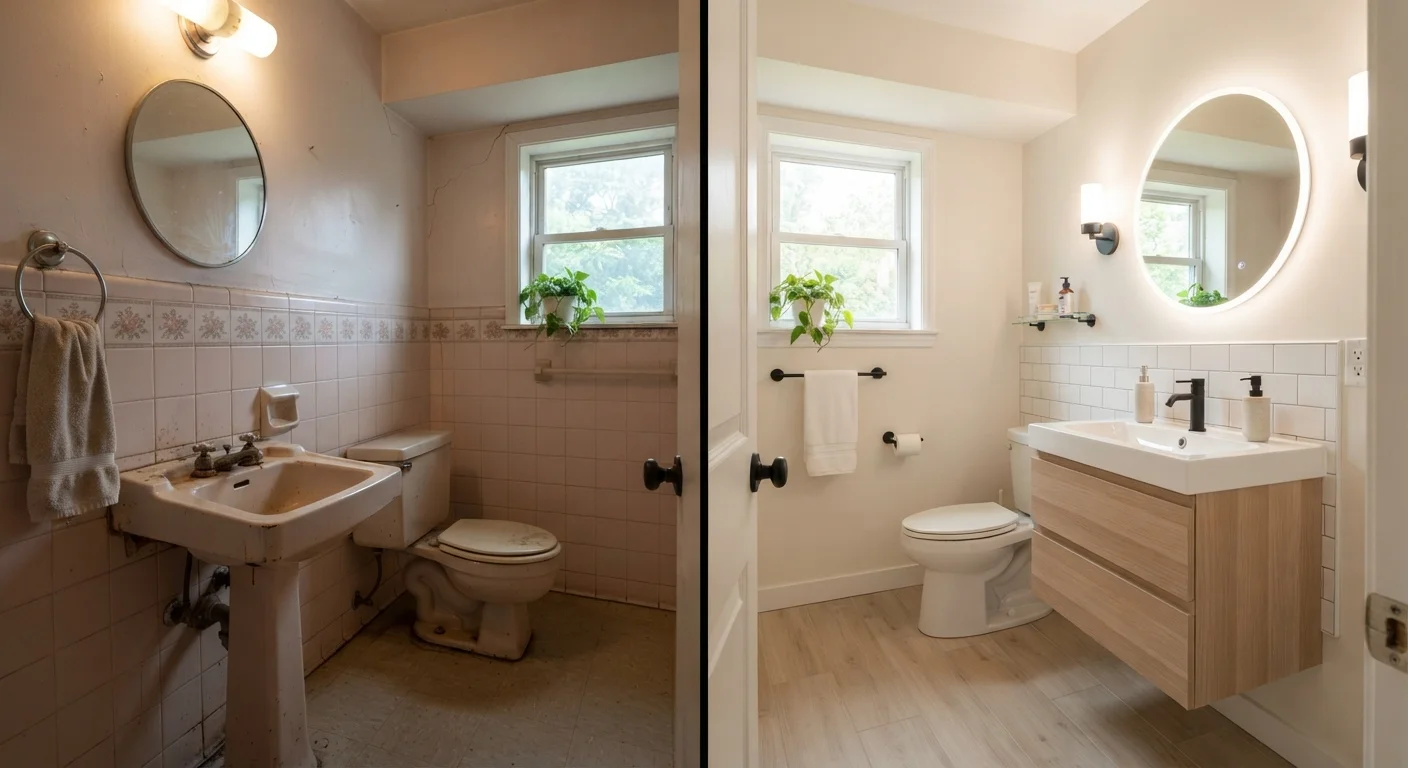
Photo credit: ArticlesHaven.net
In this article
Not every bathroom upgrade requires a gut job. Learn what separates a cosmetic refresh from a full renovation.
Key Takeaways
- A refresh targets surfaces and fixtures; a renovation reaches plumbing, electrical, and structural systems.
- Renovation costs typically run several times higher than a refresh and almost always require licensed trades.
- Permits are generally required for renovations involving plumbing or electrical work - skipping them creates real liability.
- Many bathrooms benefit from a strategic refresh first, delaying a full renovation until finances or timing allow.
- Correctly diagnosing your bathroom's actual problems prevents spending renovation money on a space that only needed a refresh.
What Actually Separates the Two
The words "renovation" and "refresh" get used interchangeably in home improvement conversations, but they describe fundamentally different scopes of work. Getting them confused is one of the most common reasons bathroom projects run over budget or under-deliver on expectations.
A bathroom refresh is cosmetic by nature. It addresses what you can see and touch without disturbing the systems behind the walls or under the floor. Painting, swapping out a vanity light fixture, replacing a faucet with the same footprint, re-caulking the tub, updating towel bars and cabinet hardware - these are all refresh tasks. Most can be done in a weekend, and many are accessible to capable DIYers.
A bathroom renovation goes deeper. It involves altering or replacing plumbing lines, electrical circuits, tile substrate, subfloor, or the layout itself. Installing a walk-in shower where a tub once stood, moving the vanity to a different wall, upgrading to a larger water heater to support a rainfall showerhead - these all cross into renovation territory. This work typically requires licensed contractors and, in most jurisdictions, permits. See our guide on renovation budget myths for common traps homeowners fall into when scoping this kind of project.
| Criterion | Bathroom Renovation | Bathroom Refresh |
|---|---|---|
| Scope | Structural, plumbing, electrical | Cosmetic surfaces and fixtures |
| Typical cost range | $10,000-$25,000+ | $500-$3,000 |
| Permit required | Usually yes | Usually no |
| Licensed trades needed | Plumber, electrician, often GC | Generally no |
| DIY-friendly | Rarely | Often yes |
| Project timeline | Weeks to months | Hours to a weekend |
| Disruption level | High - bathroom out of service | Low - minimal downtime |
| Layout can change | Yes | No |
Cost Ranges and What Drives Them
Cost is where the renovation-versus-refresh divide becomes most concrete. A bathroom refresh - covering paint, new fixtures, updated hardware, and perhaps a new mirror - can often be completed for a few hundred to a couple of thousand dollars depending on the products chosen and whether you hire out any of the labor.
A full renovation is a different financial category. Mid-range bathroom renovations in the U.S. commonly run anywhere from $10,000 to $25,000 or more, with high-end projects in larger spaces going considerably higher. The variability comes from a few key drivers: the complexity of plumbing and electrical changes, the cost of tile and materials, local labor rates, and what's discovered once walls are opened. Water damage and outdated wiring are frequent cost surprises in older homes.
~$11,000
Median mid-range bathroom remodel cost (U.S.)
According to Remodeling Magazine's Cost vs. Value reports, a mid-range bathroom remodel typically costs around this figure, with significant regional variation.
60-70%
Average cost recouped on mid-range bathroom remodel at resale
Industry cost-vs.-value analyses suggest homeowners recoup roughly this percentage of a full remodel's cost at resale - making scope decisions financially consequential.
Under $3,000
Typical DIY-friendly refresh budget
Cosmetic updates including paint, new hardware, lighting, and basic fixture swaps can often be completed within this range in a standard-sized bathroom.
Understanding this gap matters before you start pulling up tile to see what's underneath. As noted in our overview of home renovation misconceptions, treating a refresh budget like a renovation budget - or vice versa - is a fast route to project trouble.
Permits, Professionals, and DIY Limits
One of the clearest dividing lines between a refresh and a renovation is who can legally do the work. Refresh tasks are generally not permit-dependent and fall within the reach of a homeowner with basic tools and some patience. Replacing a faucet, painting walls, swapping hardware, even installing a new vanity in the same location - these don't typically require a permit in most U.S. jurisdictions.
Renovation work is different. Any project that touches plumbing supply or drain lines, modifies electrical circuits, or alters the structure of a bathroom wall typically requires a permit and a licensed professional. This isn't bureaucratic friction for its own sake - it protects you from faulty work that can cause water damage, fire risk, or failed home inspections down the line. If you're ever unsure whether your project needs a permit, check with your local building department before starting.
When You Need a Permit - and Why It Matters
Permit requirements vary by municipality, but as a general rule: if your project moves, adds, or replaces a plumbing line or electrical circuit, assume a permit is required. Working without one can create complications when you sell the home, void your homeowner's insurance in some scenarios, or leave you liable for code-non-compliant work. When in doubt, a quick call to your local building department takes minutes and can save significant headaches.
For projects that blend both scopes - say, a new tile surround that also requires fixing a leaking valve behind the wall - it's worth sequencing the licensed work first and the cosmetic work after. Our article on sequencing multi-room renovation work covers how to think through that kind of order-of-operations problem across larger projects.
How to Diagnose What Your Bathroom Actually Needs
The most useful question to ask before calling a contractor or picking up a paintbrush is: what's actually wrong here? Many homeowners pursue full renovations for bathrooms that are functionally sound but visually tired. Others attempt refreshes on spaces with hidden moisture problems that will resurface within a year.
Start with function. Does the plumbing drain well and deliver consistent water pressure? Are there signs of moisture damage - soft spots in the floor near the toilet or tub, peeling paint on the ceiling, discoloration at the base of walls? Is the exhaust fan adequate? If the answers are mostly yes, a renovation may not be necessary yet. If you spot warning signs, a home inspection can help clarify what's actually behind the walls before you commit to a scope of work.
Think of it as a parallel to decisions in other categories - similar to how kitchen cabinet refacing versus replacement depends on whether the bones of the existing structure are still sound. When what's underneath works, refreshing the surface is often the smarter path. When the infrastructure is compromised, no amount of new paint changes the underlying problem.
This article is for general informational purposes only. Always verify local permit requirements and consult licensed professionals before beginning any plumbing, electrical, or structural work in your home.

Author
Articles Haven Editorial Contributor
Articles Haven Editorial Team is the collective byline for our editorial team and contributor network. Articles published under this byline or an editorial pen name are researched, written, and reviewed according to our editorial standards for clarity, consistency, and independence before publication.
View all articles →