
Pruning Timing Mistakes That Set Back Trees and Shrubs
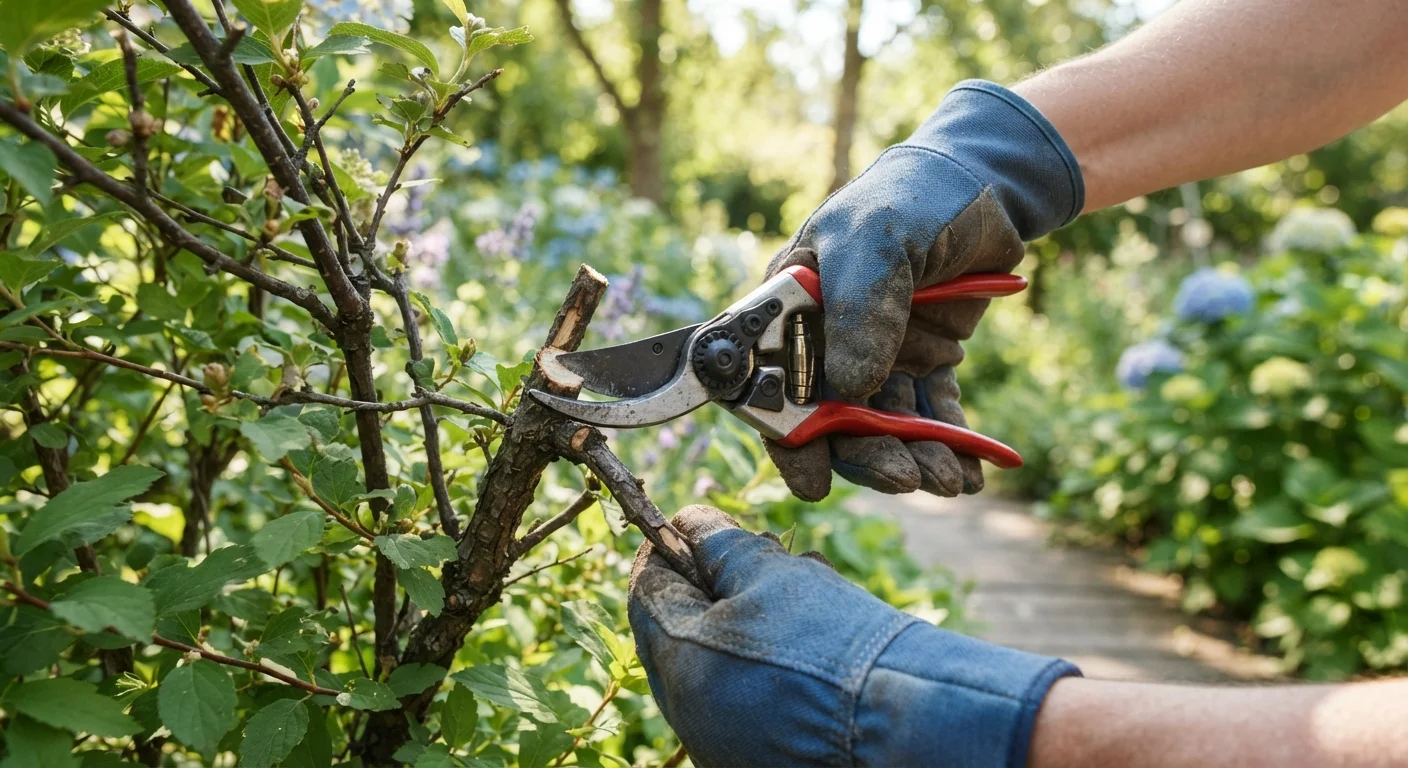
Photo credit: ArticlesHaven.net
In this article
Pruning at the wrong time can stress plants, invite disease, or cut off next year's blooms. Learn which mistakes are most common—and avoidable.
Key Takeaways
- Pruning spring-blooming shrubs after their buds have set removes next year's flowers.
- Late-summer cuts on woody plants can stimulate tender growth that winter temperatures will kill.
- Wound response timing matters - trees seal cuts most effectively during active growth periods.
- Using the same pruning calendar for every plant ignores important species-specific timing differences.
Why Pruning Timing Matters More Than Most Gardeners Realize
Pruning is one of those tasks that looks straightforward - grab the shears, clean up the shape, move on. But the when matters just as much as the how. Cut at the wrong point in the growing cycle and you can trigger disease entry, forfeit a full season of blooms, or push vulnerable new growth right into a frost window.
The core issue is that plants run on internal schedules tied to temperature, day length, and stored energy. Pruning disrupts that schedule. Done at the right moment, the disruption is minimal and the plant recovers quickly. Done at the wrong moment, you're working against the plant's biology rather than with it.
If you're also thinking carefully about which plants to establish in the first place, the guide to annuals vs. perennials covers how bloom cycles and maintenance rhythms differ - useful context before you commit to a pruning schedule.
Pruning spring-blooming shrubs in late winter or early spring, just before they flower.
Why it happens: Late winter feels like a logical cleanup window - the garden is bare and the work is visible. Most gardeners assume dormancy means safe-to-cut.
Making heavy cuts in late summer, which stimulates a flush of soft new growth before frost.
Why it happens: Late-season growth looks leggy or unkempt, and the instinct is to tidy it up before fall. It's not obvious that cutting prompts a growth response.
Applying the same pruning calendar to every plant in the yard regardless of species.
Why it happens: A single annual schedule is simpler to manage. Many gardening resources generalize pruning to "dormant season" without distinguishing bloom timing.
Pruning oaks and elms during the active season for oak wilt or Dutch elm disease.
Why it happens: Homeowners often don't connect disease transmission to pruning timing, and large trees get cut whenever it's convenient or safe to access branches.
Topping trees in an attempt to control size, which creates weak regrowth and disease entry points.
Why it happens: A tree that's grown too large for its space seems to leave "cut it back hard" as the obvious fix. Topping is still widely practiced despite being widely discouraged by arborists.
Pruning during or immediately after a drought-stress period.
Why it happens: Stressed plants sometimes look like they need intervention - dead tips, wilted branches. The impulse is to remove the damaged-looking material right away.
The Mistakes Most Homeowners Make - and How to Avoid Them
Understanding the specific errors that trip up everyday gardeners makes it much easier to build better habits. The mistakes below are among the most consistently damaging, and most are entirely preventable once you know what to watch for.
30%+
Of blooms lost to mistimed pruning
Extension horticulturists commonly note that pruning spring-blooming shrubs at the wrong time is one of the leading causes of a lost bloom season, affecting a significant share of plants pruned in late winter.
6-8 weeks
Minimum hardening window before first frost
University cooperative extension programs generally recommend ending hard pruning of woody plants at least 6-8 weeks before the average first frost date to prevent frost damage to new growth.
It's also worth noting that pruning errors rarely happen in isolation. Stressed plants from poor watering practices are more vulnerable after an ill-timed cut. If you want a fuller picture of what's quietly harming your garden, the common watering myths article is worth reading alongside this one.
Oak Wilt and Elm Disease: Timing Is Critical
In parts of the US where oak wilt and Dutch elm disease are active, pruning during the wrong season can directly expose trees to lethal infections. Bark beetles carry fungal spores to fresh cuts during warm months. Before pruning any oak or elm, check your state's cooperative extension service for region-specific no-prune windows - this isn't a general guideline but a species- and location-specific safety measure.
For trees specifically, pairing good pruning habits with solid planting fundamentals pays long-term dividends. The tree planting dos and don'ts covers the early decisions that shape a tree's structural health for decades.
Before winter arrives, timing your final pruning cuts is part of a broader seasonal wind-down. A fall garden cleanup checklist can help you sequence tasks so nothing gets overlooked before the first hard frost.
Never Prune Purely by the Calendar
Published pruning schedules are useful starting points, but no calendar replaces knowing your specific plants and local climate. A mild winter, late spring, or regional pest pressure can all shift optimal timing by weeks. When in doubt about a large or valuable tree, consulting a certified arborist is a reasonable investment - incorrect pruning on mature trees can cause structural damage that takes decades to correct or is irreversible.

Author
Articles Haven Editorial Contributor
Articles Haven Editorial Team is the collective byline for our editorial team and contributor network. Articles published under this byline or an editorial pen name are researched, written, and reviewed according to our editorial standards for clarity, consistency, and independence before publication.
View all articles →