
What Your Check Engine Light Is Actually Telling You
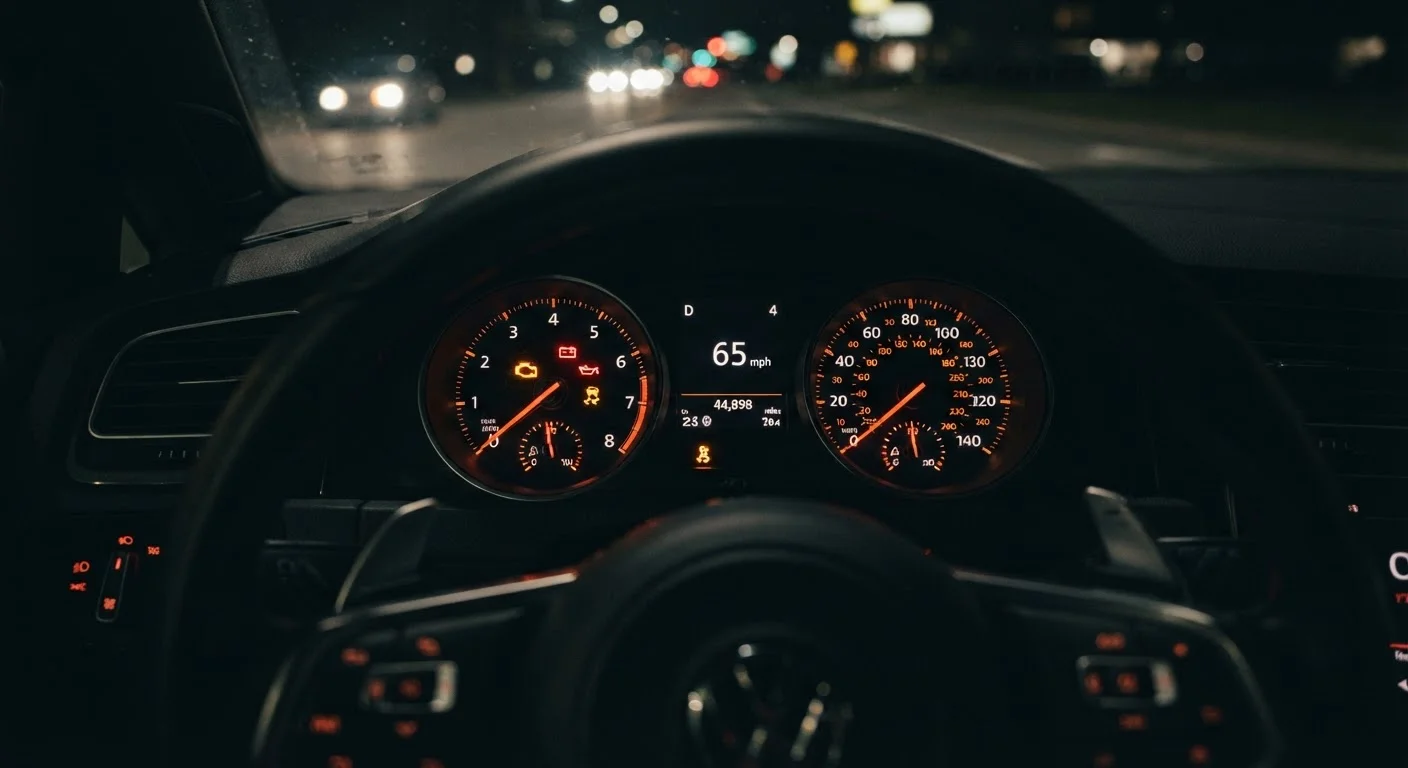
Photo credit: ArticlesHaven.net
In this article
The check engine light covers a wide range of issues. Learn what triggers it, what's urgent, and what can wait for a shop visit.
Key Takeaways
- A steady check engine light usually means a non-emergency fault - safe to drive short distances to a shop.
- A flashing check engine light indicates an active engine misfire and warrants stopping driving promptly.
- The light alone cannot tell you what's wrong - a diagnostic scan is required to read the trouble code.
- Common triggers include faulty oxygen sensors, loose gas caps, and failing catalytic converters.
- Ignoring the light long-term can turn minor issues into expensive repairs.
Why One Light Covers So Much Ground
Your car's OBD-II system continuously monitors dozens of sensors covering the engine, transmission, fuel system, and emissions controls. When any reading falls outside acceptable parameters, the system logs a Diagnostic Trouble Code (DTC) and switches on the MIL. Because all of these faults funnel into one light, the check engine light is less a specific warning and more an alert that says something needs attention - go find out what.
For a broader look at how the check engine light fits alongside other dashboard warnings, see the quick-reference guide to warning lights for context on urgency levels across different symbols.
7 in 10
Drivers who have experienced a check engine light
Industry surveys from automotive service organizations consistently find the check engine light is one of the most common dashboard warnings encountered by US drivers.
$200-$500
Typical repair cost range for common triggers
Costs vary widely by fault type - a gas cap replacement may cost under $20, while catalytic converter replacement often runs $1,000 or more depending on vehicle and region.
Steady vs. Flashing: The Difference That Matters Most
The single most important thing to understand is the difference between a steady and a flashing check engine light.
- Steady light: Indicates a stored fault that was detected at some point. The car may run normally, or you may notice reduced performance. This is generally not an immediate emergency, but it should be diagnosed within a few days.
- Flashing light: Indicates an active engine misfire - combustion is failing in one or more cylinders. Unburned fuel entering the exhaust can overheat and permanently damage the catalytic converter within minutes of continued driving. If you see a flashing light, reduce speed, avoid heavy acceleration, and get to a safe stopping point.
Quick Check Before You Call a Shop
If your check engine light just came on and the car seems to run normally, check your gas cap first. Remove it, inspect the seal for cracks, and reinstall it firmly until you hear a click. Drive normally for a couple of days - if it was just a loose cap, the light will often clear itself once the system confirms the fuel system is sealed again.
The Most Common Triggers
While there are hundreds of possible diagnostic codes, a handful of causes account for a large share of check engine light incidents:
- Loose or faulty gas cap
- An improperly sealed fuel system triggers evaporative emission codes. Tighten or replace the cap and the light often clears on its own after a few drive cycles.
- Faulty oxygen (O2) sensor
- O2 sensors monitor exhaust gases to help the engine manage fuel mixture. A failing sensor can reduce fuel economy and, over time, damage the catalytic converter.
- Catalytic converter failure
- Often a downstream consequence of ignored O2 sensor issues or persistent misfires. Replacement is one of the more expensive repairs connected to this warning.
- Mass airflow (MAF) sensor fault
- The MAF sensor measures incoming air; a dirty or failed sensor causes incorrect fuel delivery and rough running.
- Engine misfire codes
- Caused by worn spark plugs, failing ignition coils, or fuel injector problems. Misfires are also what trigger a flashing light.
Getting a Diagnosis and Deciding What to Do Next
The check engine light alone tells you nothing actionable - the stored DTC does. You have two main ways to access it:
- Free code reads: Many auto parts retailers will connect a scan tool at no charge and print the code. This is useful for a quick first look, but a code alone isn't a complete diagnosis.
- Shop diagnostic: A mechanic performs a full diagnostic, which includes reading the code and testing components to confirm root cause. This typically involves a fee but gives you reliable information before authorizing any repair.
Once you have a diagnosis, weigh the repair cost against the vehicle's overall condition. If you're evaluating a used car and the check engine light is on, that's a red flag worth investigating before purchase - a pre-purchase inspection can surface hidden issues. Similarly, a car's service history - accessible through a vehicle history report - can reveal whether recurring issues have been addressed. See what a vehicle history report actually tells you for more on that.
Emission Test Implications
In states with mandatory emissions or smog inspections, an illuminated check engine light is an automatic failure - regardless of what the underlying fault is. Even if you clear the code yourself, monitors need several drive cycles to reset before a vehicle will pass. Plan accordingly if your inspection date is approaching.
Frequently Asked Questions

Author
Articles Haven Editorial Contributor
Articles Haven Editorial Team is the collective byline for our editorial team and contributor network. Articles published under this byline or an editorial pen name are researched, written, and reviewed according to our editorial standards for clarity, consistency, and independence before publication.
View all articles →