
Owning a Car in a City vs. the Suburbs: How Costs and Needs Differ
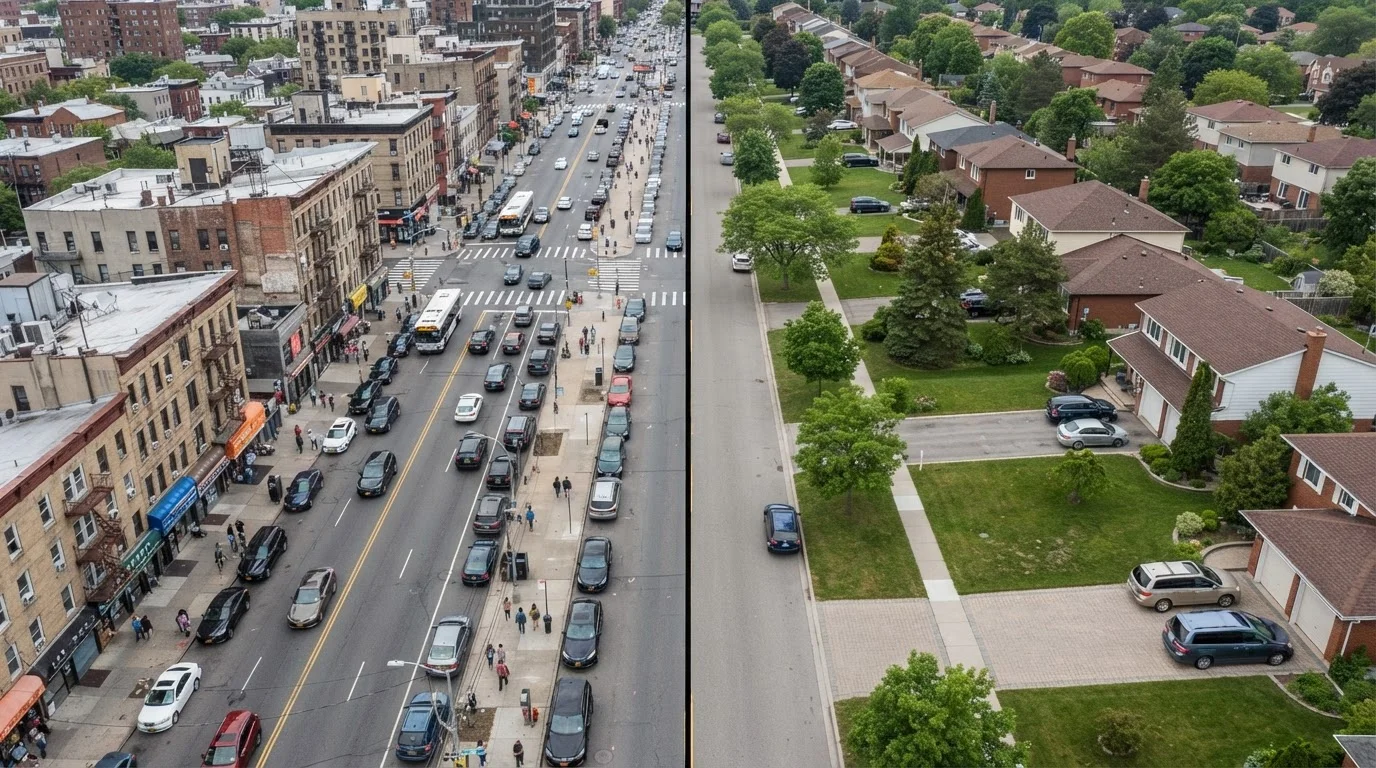
Photo credit: ArticlesHaven.net
In this article
Parking, insurance rates, mileage, and wear patterns diverge sharply depending on where and how much you drive.
Key Takeaways
- City drivers typically pay more for parking, insurance, and car washes but accumulate fewer annual miles.
- Suburban drivers often face higher fuel and maintenance costs due to longer daily commutes.
- Insurance premiums are generally higher in dense urban areas due to elevated theft and collision risk.
- Suburban households are more likely to own multiple vehicles, multiplying fixed costs.
- Neither setting is inherently cheaper - the cost profile depends on how and how much you drive.
The Core Difference: How You Use the Car
The single biggest variable in car ownership cost isn't the vehicle - it's your driving pattern. City drivers often cover fewer annual miles but operate in stop-and-go conditions that stress brakes, transmissions, and engines differently than highway driving. Suburban drivers typically log more miles per year, often on faster roads, which accelerates tire wear and fuel consumption while being comparatively gentler on brakes.
According to Federal Highway Administration data, urban households on average drive fewer vehicle miles traveled per person than rural or suburban households. That lower mileage can slow depreciation and reduce some maintenance intervals - but it doesn't eliminate the fixed costs that hit city drivers particularly hard. For a broader look at what full annual ownership actually costs, see this breakdown of annual car costs.
Insurance: Why Your ZIP Code Matters More Than You Might Expect
Auto insurance premiums are calculated partly on location-based risk factors - population density, local theft rates, accident frequency, and even weather patterns. Dense urban areas typically carry higher premiums because more vehicles in a smaller space means statistically higher collision exposure, and certain cities see elevated catalytic converter theft and vehicle break-in rates.
Suburban drivers generally benefit from lower baseline rates, though longer commutes can push premiums upward if they translate into more time on busy roads. It's worth noting that insurance pricing varies significantly by provider, state, and individual driving record - general trends don't predict your specific quote. Always verify with a licensed agent and compare multiple quotes before assuming your location alone drives your rate.
Location-Based Insurance Estimates Can Mislead
General statements about urban versus suburban insurance rates reflect broad statistical trends, not individual quotes. Your driving record, vehicle type, coverage levels, and chosen provider all significantly affect your premium. Don't assume you'll pay the average - always get multiple quotes from licensed insurers.
This is general information about how location affects insurance pricing, not personalized insurance advice. Coverage needs, exclusions, and premiums vary by individual and provider. Consult a licensed insurance agent for guidance specific to your situation.
Parking, Storage, and the Urban Premium
Parking is where city car ownership often delivers its most visible budget hit. Monthly garage or lot fees in major US cities can range from a few hundred to well over a thousand dollars depending on the neighborhood - a cost that suburban homeowners with driveways largely avoid. Street parking, where available, may be cheaper but comes with time restrictions, permit fees, and exposure to weather or vandalism.
Beyond monthly fees, urban drivers face incidental costs: meters, garages for appointments or events, and the occasional ticket. These line-item expenses don't show up in standard cost-of-ownership calculators but add up meaningfully over a year. The costs that catch first-time buyers off guard article covers this category in more detail.
~15,000
Average annual miles driven per US driver
The Federal Highway Administration estimates average annual vehicle miles traveled per driver; urban drivers typically fall below this figure.
2x+
Parking cost multiplier in dense cities
Monthly parking in major US urban cores can cost several times more than the national median, depending on neighborhood and city.
Maintenance and Wear Patterns by Setting
Stop-and-go city traffic is harder on brake pads, clutches (in manual vehicles), and cooling systems than steady highway cruising. Urban drivers may find themselves replacing brakes more frequently despite logging fewer total miles. Potholes and rougher urban road surfaces can also accelerate suspension and tire wear.
Suburban and rural drivers typically log higher annual mileage, which drives more frequent oil changes, tire rotations, and eventual engine wear. Long highway commutes are easier on brakes but harder on tires and fuel budgets. Matching your vehicle type to your actual driving pattern matters here - this guide to vehicle type trade-offs walks through how body style affects real-world costs.
| Cost Factor | City Ownership | Suburban Ownership | |
|---|---|---|---|
| Annual mileage | Typically lower | Typically higher | |
| Insurance premiums | Generally higher (density, theft risk) | Generally lower, varies by commute | |
| Parking costs | Often significant (garages, permits) | Minimal (driveway, free lots) | |
| Brake and suspension wear | Higher (stop-and-go, potholes) | Lower on highways, varies | |
| Fuel costs | Lower mileage, worse city MPG | Higher mileage, better highway MPG | |
| Likelihood of 2nd vehicle | Low | High - doubles fixed costs |
Track Your Actual Driving Pattern First
Before assuming city or suburban ownership is cheaper, log your real monthly mileage and parking spend for a few months. Many drivers are surprised by how much incidental parking or how little they actually drive. That data makes cost comparisons far more accurate than general averages.
The Multi-Car Equation in the Suburbs
One often-overlooked suburban cost driver is the likelihood of owning more than one vehicle. With limited or no public transit and longer distances between destinations, suburban households frequently need two cars - effectively doubling insurance premiums, registration fees, and depreciation exposure. City households, even when they own a car, are more likely to manage with a single vehicle supplemented by transit or ride-share.
First-time buyers weighing a suburban move alongside a vehicle purchase should factor this multiplier in early. For habits that help manage these compounding costs from the start, see car ownership habits worth building early. And if you're weighing new versus used to reduce fixed costs across two vehicles, the new vs. used ownership cost comparison is a useful reference.

Author
Articles Haven Editorial Contributor
Articles Haven Editorial Team is the collective byline for our editorial team and contributor network. Articles published under this byline or an editorial pen name are researched, written, and reviewed according to our editorial standards for clarity, consistency, and independence before publication.
View all articles →