
How Vehicle Age and Condition Affect Insurance Pricing
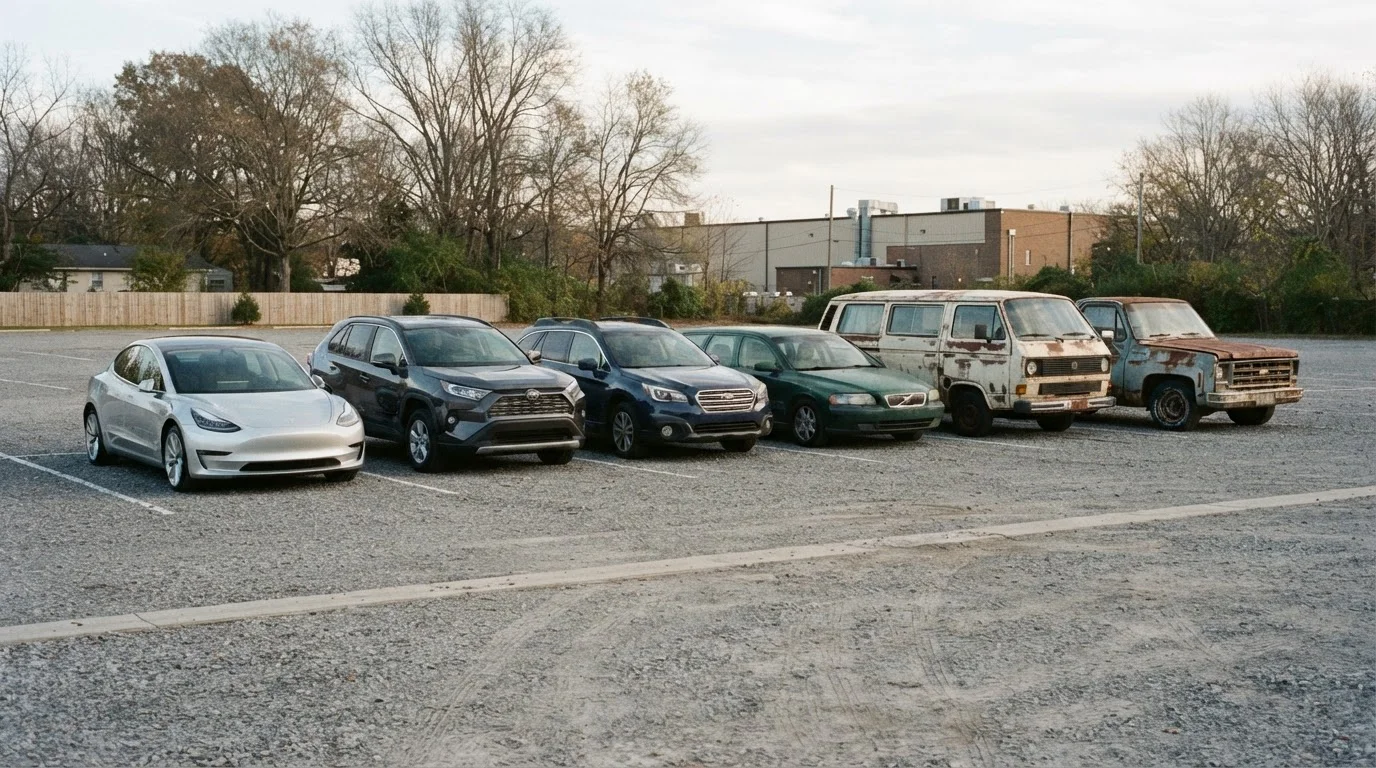
Photo credit: ArticlesHaven.net
In this article
Older vehicles often change the insurance calculus—here's how age, mileage, and condition factor into what you pay for coverage.
Key Takeaways
- Older vehicles generally have lower Actual Cash Value, which typically reduces comprehensive and collision premiums.
- Dropping collision or comprehensive coverage on high-depreciation vehicles can save money but leaves gaps in protection.
- Mileage, vehicle condition, and safety features all influence how insurers assess risk independently of age alone.
- A well-maintained older vehicle may cost less to insure than a high-mileage newer one in some circumstances.
- Coverage decisions should account for repair costs, replacement value, and your financial cushion-not age alone.
Why Vehicle Age Matters to Insurers
The older a vehicle gets, the more its market value declines - and insurers pay close attention to that number. Physical damage coverage (comprehensive and collision) is pegged to the vehicle's Actual Cash Value, meaning the most an insurer will pay out on a total loss is what the car was worth just before the incident, not what you paid for it.
As a car depreciates, the ceiling on that payout drops. Insurers adjust premiums accordingly, so comprehensive and collision costs tend to fall as a vehicle ages. That said, the relationship isn't perfectly linear. A vehicle's make, model, repair part availability, and theft rate also weigh on pricing, independent of age.
To understand how age fits into the broader premium picture, it helps to see how car insurance premiums are calculated across all the variables insurers consider.
~15-25%
Typical first-year vehicle depreciation
Industry estimates commonly place new vehicle depreciation in this range during the first year, directly affecting ACV-based coverage calculations.
50%+
Depreciation over five years
Many vehicles lose more than half their original value within five years of purchase, according to widely cited automotive valuation data.
~39%
Share of insured vehicles with liability-only coverage
According to Insurance Research Council data, a substantial share of drivers carry only liability coverage, often because their vehicle's value no longer justifies physical damage coverage.
How Condition and Mileage Factor In
Age alone doesn't tell the whole story. Two vehicles from the same model year can be in very different condition - and insurers, when adjusting ACV claims, account for wear, mileage, and maintenance history. A high-mileage vehicle in rough shape will be valued lower at claim time than a carefully maintained equivalent.
Mileage also affects risk exposure. Driving more miles each year generally correlates with greater accident probability. Some insurers use annual mileage estimates or even telematics data to refine their pricing. How mileage affects long-term ownership costs covers these trade-offs in more depth, including maintenance frequency and resale implications.
Keep Maintenance Records for Claim Accuracy
If you maintain your vehicle well, documenting it matters. Service records, receipts for repairs, and photos of your car's condition can support a higher ACV assessment at claim time. An insurer's valuation of a well-documented, maintained vehicle may differ from one with an unknown history.
When Dropping Coverage Makes Sense - and When It Doesn't
One of the most practical decisions owners of older vehicles face is whether to continue carrying collision and comprehensive coverage. As ACV drops, the maximum payout shrinks - potentially to a point where the annual premium cost doesn't justify the coverage.
A rough starting point: if the vehicle's ACV is close to or below your annual premium plus deductible combined, the math may favor dropping that coverage. But this depends heavily on your ability to absorb the out-of-pocket cost of replacing the vehicle if it's totaled or stolen.
Liability Coverage Works Differently
Unlike comprehensive and collision, liability coverage isn't tied to your vehicle's value - it covers damage or injury you cause to others. Dropping liability to save money on an older vehicle is generally not advisable and may violate state minimum coverage laws. Always verify your state's requirements with a licensed agent.
Liability coverage, by contrast, is tied to your risk as a driver - not your vehicle's value - and should generally be maintained regardless of vehicle age. For a fuller look at how these factors interact with total ownership economics, see new car vs. used car ownership costs.
Safety Features, Repair Costs, and the Modern Vehicle Wrinkle
Older vehicles often lack the advanced driver assistance systems - automatic emergency braking, lane-keep assist, blind-spot monitoring - that are now standard on newer models. These systems have been shown to reduce collision frequency, and some insurers offer modest discounts for vehicles equipped with them.
On the flip side, newer vehicles with sophisticated electronics can be more expensive to repair after minor accidents, which pushes collision premiums higher. An older, simpler vehicle may actually benefit from lower repair costs, partially offsetting the disadvantage of missing modern safety tech.
How safe driving habits affect long-term ownership costs explores the connection between driver behavior, claims history, and what you ultimately pay - a factor that matters across any vehicle's age bracket.
Making Smarter Coverage Decisions as Your Vehicle Ages
There's no universal formula, but reviewing your coverage annually as your vehicle ages is a sound habit. Check your vehicle's current ACV using publicly available valuation tools, compare it against your deductible and annual premium for physical damage coverage, and consider your financial position if the vehicle were totaled.
Also consult your insurer directly - coverage needs, regional regulations, and policy terms vary significantly. For a broader understanding of how insurers build your total rate, how insurers calculate your premium lays out the risk factors and actuarial variables behind the number on your bill.
This article is for general informational purposes only and does not constitute insurance, financial, or legal advice. Coverage terms, eligibility, and pricing vary by insurer, policy, and state. Always review your actual policy documents and consult a licensed insurance agent for guidance specific to your situation.
Frequently Asked Questions

Author
Articles Haven Editorial Contributor
Articles Haven Editorial Team is the collective byline for our editorial team and contributor network. Articles published under this byline or an editorial pen name are researched, written, and reviewed according to our editorial standards for clarity, consistency, and independence before publication.
View all articles →