
How to Sell Your Current Car Before — or Instead of — Trading It In
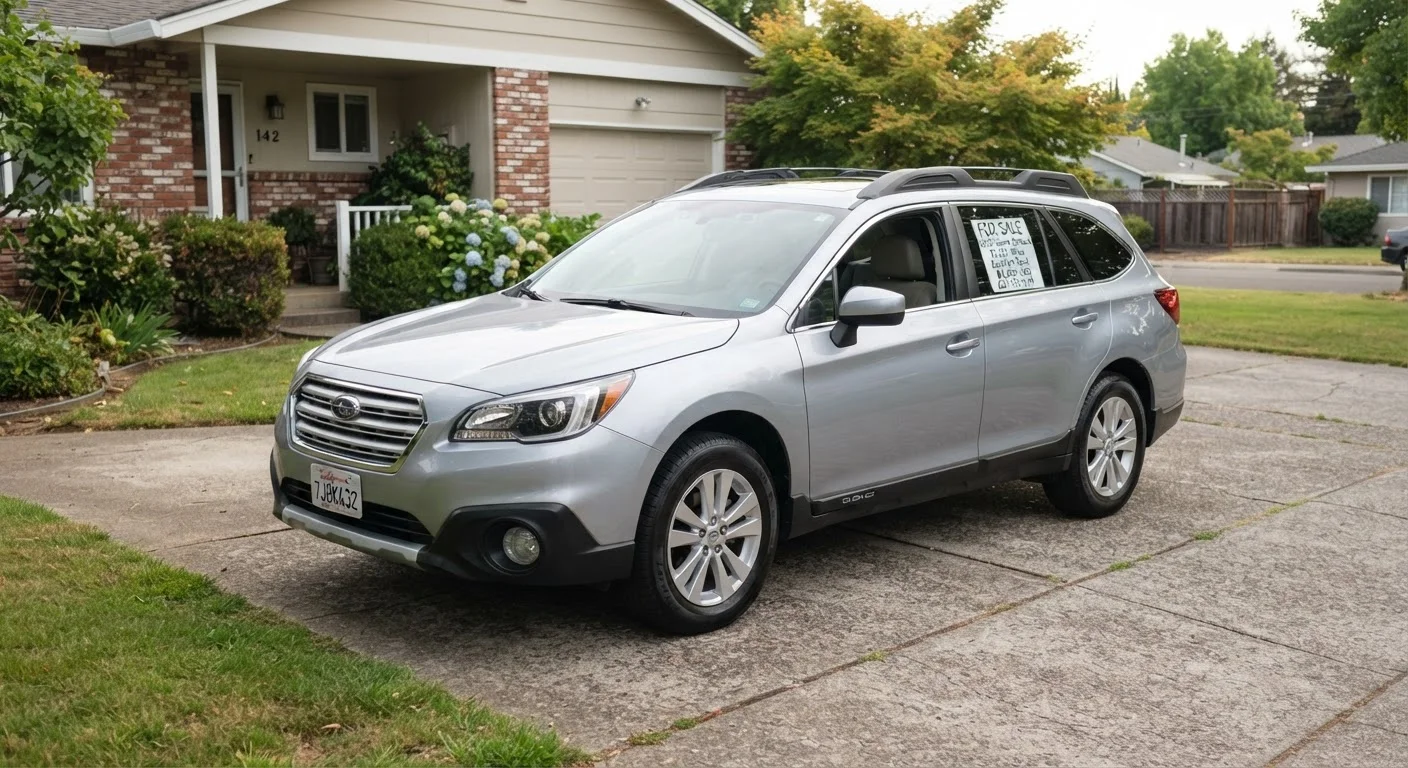
Photo credit: ArticlesHaven.net
In this article
Private sales typically return more than dealer trade-ins, but take more effort. Here's how the process works and what to prepare for.
Key Takeaways
- Private sales typically return more money than dealer trade-ins for the same vehicle.
- You'll need to handle paperwork, buyer vetting, and title transfer yourself when selling privately.
- Pricing your car accurately from the start is the single biggest factor in how quickly it sells.
- Selling before buying your next car avoids owing money across two transactions simultaneously.
- Trade-ins are faster and simpler - the right choice depends on your timeline and tolerance for effort.
Trade-In vs. Private Sale: What You're Actually Choosing Between
When you're ready to move on from your current vehicle, you have two main paths: hand the keys to a dealer as a trade-in, or sell the car yourself on the private market. Both get the job done, but they involve very different tradeoffs.
A trade-in is fast and low-friction. The dealer takes the car off your hands, applies its value against your new purchase, and you walk out with one transaction. The catch is that dealers build their own margin into the offer - what they pay you is typically less than what the car could fetch from a private buyer. To understand exactly how dealers arrive at those numbers, see how trade-in value is calculated.
A private sale takes more work - listing, showing, negotiating, and handling paperwork - but the price premium can be significant, sometimes thousands of dollars on the same vehicle. Whether that's worth it depends on your situation, timeline, and comfort level with the process.
What you will need
Step-by-Step: How to Sell Your Car Privately
If you've decided the private route makes sense, here's how to move through it systematically.
Research Your Car's Market Value
Pull valuations from at least two sources - major automotive valuation tools typically offer both trade-in and private-party estimates. The private-party figure is your realistic ceiling for a clean, well-presented vehicle. Adjust downward for mileage, condition, or known mechanical issues.
Check active listings for comparable vehicles in your local area. If similar cars are sitting unsold for weeks, your local market may not support the high end of the range.
Gather and Organize Your Documentation
Locate your vehicle title. If you still owe money on the car, contact your lender to understand the payoff amount and the process for releasing the title to a buyer. Some lenders will work directly with buyers; others require you to pay off the loan first.
Pull together your maintenance records, any remaining warranty documents, and your most recent registration. Buyers paying private-market prices expect transparency.
Clean and Photograph the Vehicle
A thorough cleaning - interior and exterior - is one of the most cost-effective steps you can take. Buyers form quick impressions and a dirty car signals neglect even when none exists.
Photograph the car in good natural light: all four corners, both sides, interior front and rear, odometer, and any notable wear or damage. Accurately representing condition in photos filters out buyers who will only waste your time.
Write an Honest, Specific Listing
Include year, make, model, trim level, mileage, transmission type, drivetrain, and any notable options. State the condition accurately - describe known issues plainly. Vague listings generate low-quality inquiries; specific listings attract serious buyers.
Set a firm but fair asking price. State whether you'll entertain offers. Listings that say 'firm' attract fewer tire-kickers; listings that say 'OBO' (or best offer) typically generate more contact volume.
Screen Inquiries and Arrange Showings Safely
Respond promptly to serious inquiries and ask a few qualifying questions before meeting: Are they paying cash or financing? Have they seen the vehicle type before? This weeds out low-effort buyers.
Meet in a safe, public location for initial showings - many police departments provide designated vehicle transaction areas. Bring someone with you if possible. For test drives, ask to see a valid driver's license and confirm the buyer carries their own insurance.
Negotiate and Complete the Sale
Know your lowest acceptable price before negotiations begin. Be prepared to justify your asking price with the condition, documentation, and market comparables you've gathered.
Once a price is agreed, complete a bill of sale (required in most states) and sign over the title according to your state's specific instructions. Both parties should keep copies. Notify your state DMV and your insurer promptly. Acceptable payment methods for private sales typically include certified checks, cash, or verified bank transfers - personal checks carry risk.
Don't Skip the Title Transfer Step
Handing over the keys without properly transferring the title can leave you liable for the vehicle after the sale - including parking tickets, toll violations, and in some cases accidents. Each state has its own title transfer process; verify the exact steps with your state DMV before closing the deal.
Timing: Should You Sell Before or After Buying Your Next Car?
Selling first removes the pressure of carrying two vehicles - and the associated costs - at the same time. It also gives you a clean sense of your actual budget before you shop. The downside is a potential gap between vehicles, which may require temporary transportation arrangements.
Selling after you've already bought can feel less stressful logistically, but you may feel pressure to accept a lower offer just to close the deal quickly. Some buyers opt to list privately while simultaneously getting a trade-in quote, using the private interest as leverage or fallback.
Overlap Your Timelines Strategically
If possible, list your car for sale a few weeks before you actively need to purchase the next one. This gives you time to find a serious buyer without rushing - and avoids accepting a lowball offer under deadline pressure. Having a backup plan (a trade-in quote in hand) also gives you a price floor to walk away from if private buyers don't materialize.
If you're weighing your next vehicle purchase path at the same time, comparing new, used, and leased options can help you clarify budget and timing together. And if your next car is coming from a private seller, understanding how private party purchases work will help you navigate that side of the transaction too.

Author
Articles Haven Editorial Contributor
Articles Haven Editorial Team is the collective byline for our editorial team and contributor network. Articles published under this byline or an editorial pen name are researched, written, and reviewed according to our editorial standards for clarity, consistency, and independence before publication.
View all articles →