
How Trade-In Value Is Calculated — and Where Dealers Have Flexibility
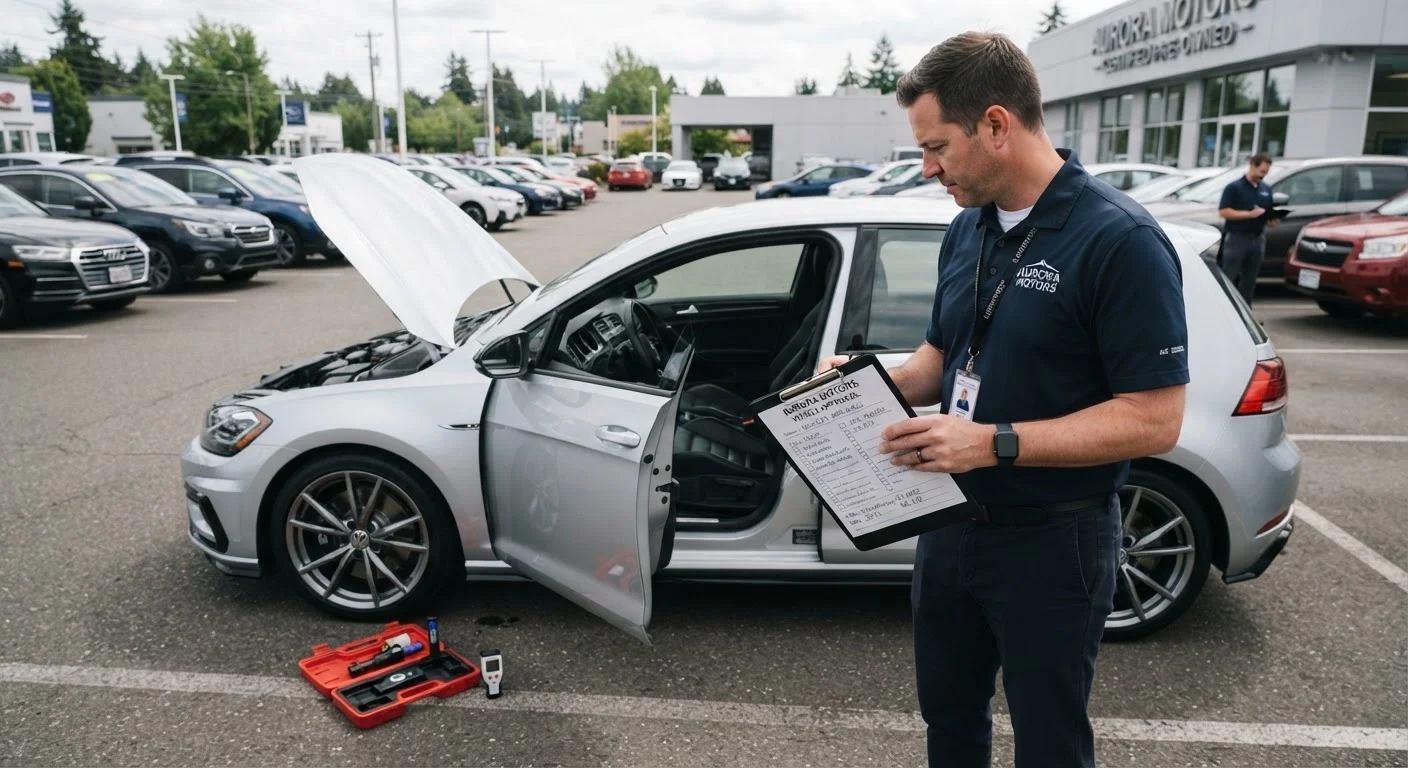
Photo credit: ArticlesHaven.net
In this article
Trade-in offers aren't random. Understand the factors behind your vehicle's appraised value and how the deal can shift from there.
Key Takeaways
- Trade-in value is based on condition, mileage, local demand, and projected resale margin.
- Dealers use wholesale market data as a starting point, not retail pricing guides.
- The trade-in offer and the purchase price are separate negotiations - conflating them can cost you.
- Getting outside appraisals before visiting a dealer gives you a concrete baseline to negotiate from.
- Dealers have real flexibility on trade-in offers, but that flexibility depends on their inventory needs.
What Goes Into a Trade-In Appraisal
When a dealer appraises your vehicle, they're estimating what they can realistically sell it for - and working backward from there. The core inputs are straightforward:
- Mileage: Higher mileage reduces projected resale value and increases assumed wear.
- Condition: Interior wear, paint quality, mechanical issues, and accident history all affect the offer.
- Market demand: A model that's moving quickly in your region commands a higher offer than one sitting on lots.
- Auction and wholesale data: Dealers reference pricing databases that track what similar vehicles are actually selling for at wholesale, not just sticker prices.
Your vehicle's trim level, optional equipment, and color can also shift the number. A well-equipped vehicle in a popular configuration may appraise notably higher than a base model of the same year and mileage. For a broader look at what drives value, see what affects your car's market value.
~$3,000-$5,000
Typical gap between trade-in and private sale value
Industry estimates vary, but the spread between dealer trade-in offers and private-party sale prices commonly ranges in the thousands for used vehicles in average condition.
30%+
Used vehicle sales that involve a trade-in
A significant share of new and used vehicle purchases include a trade-in as part of the transaction, making appraisal literacy relevant for most buyers.
Where Dealer Flexibility Actually Lives
Trade-in offers aren't purely algorithmic. Dealers have genuine room to move the number up or down based on factors outside your vehicle's specs.
Inventory needs: If a dealer is short on a specific type of used vehicle - say, compact SUVs - they may offer more aggressively to acquire one. Conversely, if they already have five similar models on the lot, their offer will reflect that surplus.
Deal structure: Dealers may absorb a higher trade-in figure more easily when the purchase price, financing, and add-ons are also generating margin. This is why it's important to negotiate each element separately rather than letting them blend together into a single monthly payment conversation.
Time of month: Sales teams working toward monthly targets may be more willing to move on trade-in value near the end of the month.
Separate the trade-in from the purchase negotiation
Dealers sometimes combine trade-in value, purchase price, and monthly payments into a single conversation - which makes it easier to obscure where money is moving. Get a firm trade-in offer in writing before discussing the purchase price of any new vehicle. Keeping these negotiations separate gives you a clearer picture of each line.
Understanding how the broader deal is structured - including any manufacturer offers - helps you see where leverage actually exists. Dealer incentives and manufacturer rebates can shift the overall transaction in ways that aren't visible from the trade-in line alone.
How to Come In With Leverage
The single most effective thing you can do before trading in is get competing appraisals. Several outlets - including independent dealerships and third-party vehicle-buying services - will provide written offers that you can bring to the table. A concrete number from another source converts the conversation from "take it or leave it" to a negotiation with a floor.
Online appraisal tools have limits
Third-party valuation tools can give you a useful ballpark, but their estimates assume a condition you self-report. A dealer's in-person appraisal will factor in things you may not notice or disclose - paint overspray, frame repair history, or suspension wear. Treat online estimates as a starting range, not a guaranteed offer.
If the gap between your dealer's offer and a competing appraisal is significant, ask the dealer to explain the difference specifically. Sometimes there's a legitimate reason tied to condition or local demand; sometimes the number simply moves when you push back with evidence.
You may also want to consider whether trading in is the right path at all. Selling your car privately typically returns more money, though it requires more time and effort. The right choice depends on your situation and how much the convenience premium is worth to you.
When you're ready to negotiate the purchase side, see how to negotiate a vehicle price for a clear-eyed look at what's actually moveable in a dealership transaction.
Frequently Asked Questions

Author
Articles Haven Editorial Contributor
Articles Haven Editorial Team is the collective byline for our editorial team and contributor network. Articles published under this byline or an editorial pen name are researched, written, and reviewed according to our editorial standards for clarity, consistency, and independence before publication.
View all articles →