
Travel During Peak vs. Off-Peak Periods: A Practical Trade-Off Guide
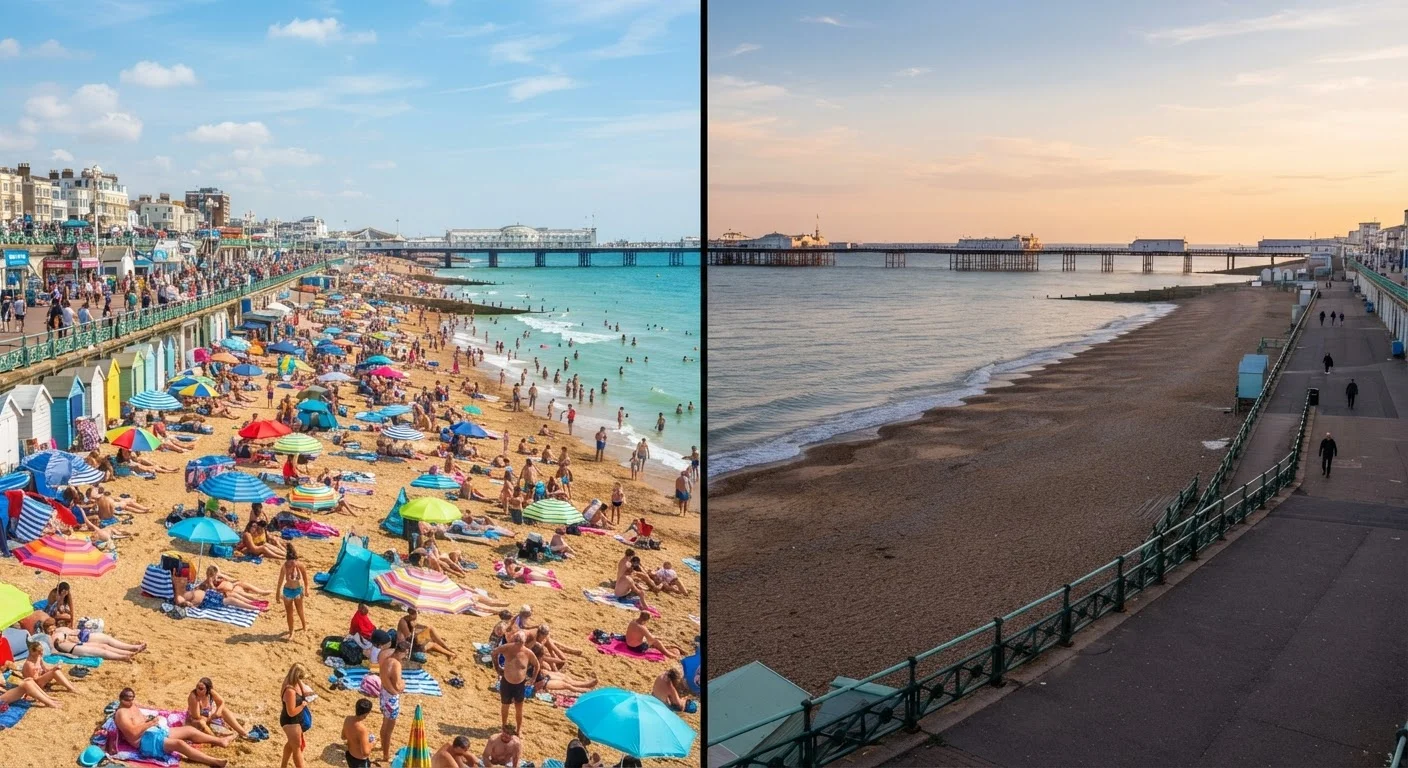
Photo credit: ArticlesHaven.net
In this article
Weigh availability, cost, crowd levels, and experience quality when deciding between high season and shoulder travel.
Key Takeaways
- Peak season offers reliability and full amenities but typically commands higher prices and larger crowds.
- Off-peak travel can reduce costs significantly, though some services and attractions may have limited availability.
- Shoulder season - the period between peak and off-peak - often balances value and experience.
- What counts as 'peak' varies widely by destination, so research each location individually.
- Your personal priorities - budget, flexibility, crowd tolerance - should drive the timing decision.
Most attractions and services fully operational
During peak periods, museums, tours, restaurants, and transportation networks run at full capacity and extended hours, making planning straightforward.
Predictable weather at most popular destinations
Peak season is often synchronized with the most favorable weather window, reducing the risk of rain-out itineraries or extreme conditions.
Wider range of direct flights and accommodation options
Airlines and hotels increase inventory during high-demand periods, giving travelers more choices in routes, schedules, and property types.
Festival and event access
Many cultural events, local festivals, and seasonal activities are scheduled during peak periods, offering experiences not available year-round.
Higher prices for flights and hotels
Demand-driven pricing pushes accommodation and airfare costs significantly higher during peak windows, sometimes by 30-60% compared to off-peak equivalents, though exact figures vary by route and destination.
Larger crowds at popular sites
Iconic attractions can become uncomfortably crowded, with long queues and a diminished sense of discovery that many travelers seek.
Advance booking pressure
Popular properties and tours book out months ahead during peak periods, limiting flexibility and punishing travelers who plan late.
Less authentic local interaction
When a destination is flooded with visitors, the character of the place can shift - local spots get crowded out, and interactions can feel more transactional.
Why Timing Your Trip Is a Real Decision
Choosing when to travel is one of the most consequential and underestimated trip-planning decisions. It shapes what you'll pay, how crowded major sites will be, which services are available, and sometimes even the safety and accessibility of a destination.
Peak season generally refers to the period of highest demand at a given destination - think summer in Mediterranean Europe or December in ski resort towns. Off-peak covers the opposite: low-demand windows when visitors are fewer and prices typically drop. But as this guide on what travel season actually means explains, these labels shift dramatically depending on where you're going. High season in Iceland bears no resemblance to high season in Thailand.
Understanding the real trade-offs - not just cost - helps you plan a trip that matches your actual priorities.
Pros and Cons of Peak Season Travel
Traveling during peak periods has genuine advantages that go beyond simple convenience. When demand is high, destinations and operators invest in being fully open and fully staffed.
Most attractions and services fully operational
During peak periods, museums, tours, restaurants, and transportation networks run at full capacity and extended hours, making planning straightforward.
Predictable weather at most popular destinations
Peak season is often synchronized with the most favorable weather window, reducing the risk of rain-out itineraries or extreme conditions.
Wider range of direct flights and accommodation options
Airlines and hotels increase inventory during high-demand periods, giving travelers more choices in routes, schedules, and property types.
Festival and event access
Many cultural events, local festivals, and seasonal activities are scheduled during peak periods, offering experiences not available year-round.
The downsides are also real. Booking last-minute during peak windows is often a losing proposition - popular hotels sell out months in advance, and flight prices spike. For more on how booking timing interacts with seasonal demand, see the trade-offs of booking early vs. last-minute.
Higher prices for flights and hotels
Demand-driven pricing pushes accommodation and airfare costs significantly higher during peak windows, sometimes by 30-60% compared to off-peak equivalents, though exact figures vary by route and destination.
Larger crowds at popular sites
Iconic attractions can become uncomfortably crowded, with long queues and a diminished sense of discovery that many travelers seek.
Advance booking pressure
Popular properties and tours book out months ahead during peak periods, limiting flexibility and punishing travelers who plan late.
Less authentic local interaction
When a destination is flooded with visitors, the character of the place can shift - local spots get crowded out, and interactions can feel more transactional.
The Case for Off-Peak and Shoulder Season
Off-peak travel has earned a devoted following - and for good reason. Fewer visitors mean shorter queues, more genuine local interactions, and a different pace of experiencing a place. Off-season travel is often a different trip entirely, not simply a discounted version of the peak experience.
Off-Peak Doesn't Mean Closed
A common misconception is that traveling off-peak means half the destination is shut down. In reality, many regions maintain strong tourism infrastructure year-round. The risks are more nuanced: some smaller operators, seasonal tours, or niche attractions may reduce hours or close entirely. Research individual sites and service providers for the specific dates you're considering - don't rely on general assumptions.
Shoulder season - the windows just before or after peak - frequently hits a practical sweet spot. Weather remains reasonable, crowds thin out, and prices ease without the full closure risk of deep off-season. Shoulder season travel often wins on value and access for travelers who can tolerate some unpredictability.
30-50%
Typical hotel rate reduction in off-peak periods
Industry travel analysts generally cite off-peak accommodation savings in this range, though exact figures vary widely by market and destination.
3x
Wait times at major attractions during peak vs. off-peak
Queue times at high-traffic destinations like popular European landmarks can be several times longer during summer peak than during shoulder or off seasons.
How to Match Timing to Your Priorities
No single travel window suits everyone. The practical question is: what do you actually need from this trip?
- Fixed vacation schedule: If your dates are locked in by an employer or school calendar, the peak vs. off-peak debate is largely settled for you. Focus instead on booking well in advance and setting a realistic budget. Traveling on a fixed schedule requires a different planning mindset than open-ended timing.
- Budget-first travelers: Off-peak periods generally offer the widest price relief on flights and hotels. How season and day of week affect flight and hotel costs is worth studying before you lock in dates.
- Experience-first travelers: Some destinations have one genuinely correct season - cherry blossoms in Japan, fall foliage in New England, dry season in parts of East Africa. In these cases, the experience value may outweigh the cost premium.
- Crowd-averse travelers: Shoulder season is your most reliable option. You'll sidestep the worst congestion while keeping most services open.
Wherever you land on this spectrum, verify local conditions - weather, accessibility, and operating hours - with official sources before committing to dates.

Author
Articles Haven Editorial Contributor
Articles Haven Editorial Team is the collective byline for our editorial team and contributor network. Articles published under this byline or an editorial pen name are researched, written, and reviewed according to our editorial standards for clarity, consistency, and independence before publication.
View all articles →