
Hotel Rate Categories Decoded: Rack Rate, BAR, and Everything Between
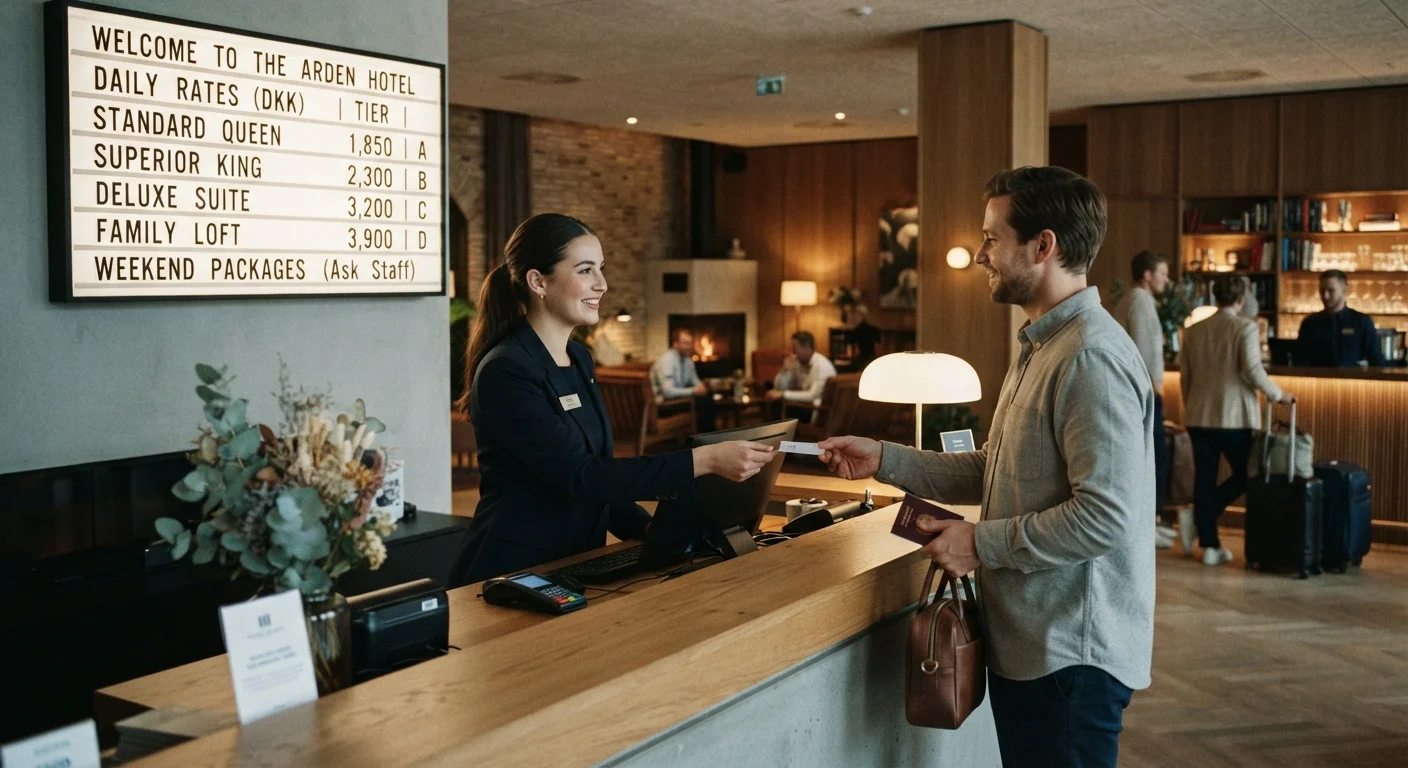
Photo credit: ArticlesHaven.net
In this article
A plain-language breakdown of hotel pricing terminology—from published rates to negotiated and opaque fares.
Why Hotel Pricing Has So Many Names
Walk through a hotel's booking funnel and you'll encounter terms like "rack rate," "BAR," "package rate," and "member pricing"-all for the same room on the same night. This isn't accidental. Hotels use yield management (adjusting prices dynamically to fill rooms at the highest achievable revenue) across multiple customer segments simultaneously. The result is a layered pricing structure that benefits guests who understand the terminology.
Understanding how these categories differ is similar in principle to how airline seats are priced-the same product sold at radically different prices depending on when, where, and how you buy. See how airline pricing works for a parallel breakdown of that system.
| Rack Rate Purpose | Published ceiling price; rarely what guests pay |
| BAR Definition | Best Available Rate - the lowest unrestricted public price on a given night |
| Advance Purchase Discount | Typically 10-25% below BAR in exchange for prepayment and no cancellation (General industry practice; varies by property) |
| Loyalty Program Cost | Free to join at most major hotel chains |
| Opaque Rate Tradeoff | Lower price, but property identity not revealed until after booking |
| Resort Fee Disclosure | Mandatory fees are separate from the headline rate on many booking platforms |
The Core Rate Types, Defined
Most hotel rates fall into one of several categories. Here's what each actually means:
Rack Rate
The hotel's published maximum room price, set without any discount applied. It serves as a pricing ceiling and reference point, but most guests pay less through nearly any booking channel.
BAR (Best Available Rate)
The lowest non-restricted rate the hotel is currently offering to the general public on a given night. It fluctuates based on demand and availability, and is the standard baseline for public pricing comparisons.
Package Rate
A bundled price that combines the room with one or more add-ons-commonly breakfast, parking, or spa credits. The per-night figure may be higher than BAR, but the total cost can be lower depending on whether you'd use what's included.
Advance Purchase Rate
A discounted rate offered in exchange for booking and paying in full well ahead of arrival-often 7, 14, or 21 days out. These rates are typically non-refundable, so they carry cancellation risk.
Member Rate
A price tier available only to registered loyalty program members. Joining a hotel chain's free loyalty program is often enough to unlock this category, making it an easy discount with no direct cost.
Opaque Rate
A heavily discounted price sold through third-party platforms that hide the specific hotel's identity until after purchase. Guests trade certainty for savings, committing to a star level and general location blind.
Negotiated Rate
A rate established by a private agreement between a hotel and a specific organization-typically a corporation, government agency, or membership group. These are not publicly advertised and require proof of eligibility at check-in.
OTA Rate
The price listed on an Online Travel Agency (OTA) such as a major booking aggregator. OTA rates are often governed by rate parity agreements that keep them aligned with the hotel's own direct rate, though occasional differences appear.
When comparing properties across a trip, keep in mind that rate category alone doesn't tell the full value story. "Free" amenities like breakfast or parking can meaningfully shift which rate is the genuine bargain.
Opaque and Negotiated Rates: The Hidden Tiers
Beyond the rates displayed on a hotel's own website, two categories deserve special attention:
- Opaque rates are discounted prices offered through third-party platforms where the specific hotel isn't revealed until after purchase. These can run significantly below BAR but require flexibility-you commit to a neighborhood and star level without knowing the exact property.
- Negotiated corporate rates are pre-arranged prices set between a hotel and a company or organization. If you travel for work, check whether your employer has negotiated hotel programs before booking independently.
- Government and AAA rates fall into a similar bracket-discounted published rates requiring credential verification at check-in. Always ask if you qualify.
3-5x
Rack rate vs. lowest available rate gap at busy urban hotels
Industry analysts have observed rack rates running several multiples above promotional and opaque rates at high-demand properties, though the gap varies widely.
~30%
Potential savings from opaque booking channels vs. BAR
Opaque platforms frequently advertise discounts in this range compared to public rates, though outcomes depend heavily on destination, season, and availability.
Before finalizing any booking, review what line items appear on your hotel folio-taxes, resort fees, and incidentals added after the headline rate can substantially change the total cost.
Rate Parity Agreements Are Changing
Many hotel chains have negotiated with OTAs to allow direct-booking rates to be lower than third-party platforms. This means booking directly through a hotel's own website or app can sometimes yield a lower price than an aggregator site-worth checking before you finalize. Loyalty member rates are one vehicle for this.
How to Use Rate Knowledge When Booking
Knowing the terminology gives you a practical framework for comparison:
- Use the rack rate as a ceiling, not a target. Very few guests should pay it. If a rate is at or near rack, look harder.
- Compare BAR directly across the hotel's own site, major OTAs, and loyalty program portals on the same dates. Price parity rules mean these are often identical, but gaps do appear.
- Check package rates honestly. A "bed and breakfast" package at a higher nightly rate may be cheaper overall than room-only plus purchasing breakfast separately-or it may not. Do the arithmetic.
- Loyalty status often unlocks rates not visible to anonymous visitors. Signing up for a hotel chain's free loyalty program before searching can reveal a lower tier.
Rate category is one input among several. Also factor in how star ratings and guest scores reflect property quality, and consider your overall lodging options by reviewing accommodation types beyond traditional hotels.
Hotel Chain Loyalty Portals
Most major hotel chains offer free loyalty programs with dedicated member rate sections. Browsing while logged in often reveals a separate, lower tier not visible to anonymous visitors.
Travel Forum Rate Comparison Communities
Online travel communities frequently share real-world rate comparisons across channels. Useful for understanding typical discounts at specific property types before you search.
Hotel Booking Glossary Guides
Several independent travel publications maintain up-to-date glossaries of hotel pricing terms-helpful for staying current as industry terminology shifts.

Author
Articles Haven Editorial Contributor
Articles Haven Editorial Team is the collective byline for our editorial team and contributor network. Articles published under this byline or an editorial pen name are researched, written, and reviewed according to our editorial standards for clarity, consistency, and independence before publication.
View all articles →