
Making Sense of Your Hotel Bill at Checkout
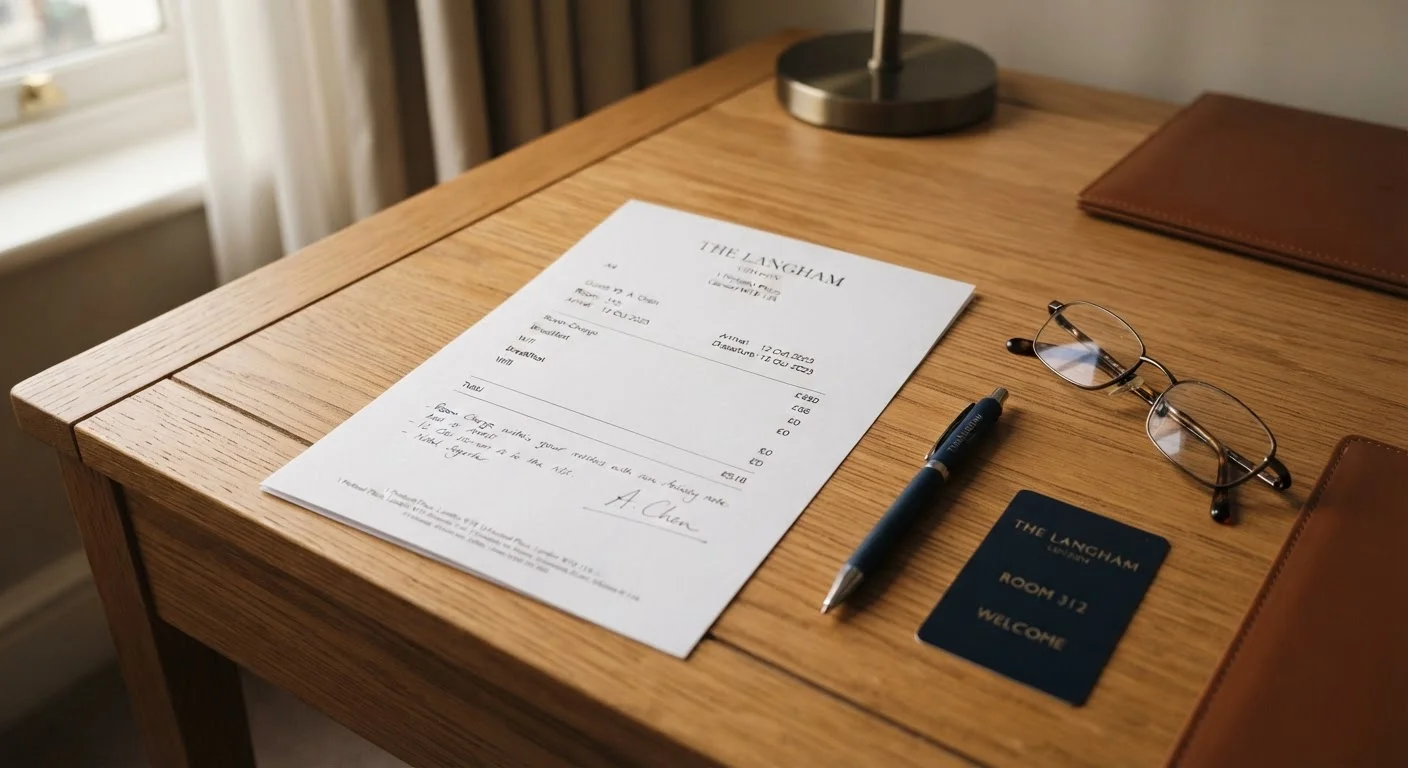
Photo credit: ArticlesHaven.net
In this article
Walk through the common line items on a hotel folio—room rate, taxes, fees, and incidentals—so nothing surprises you.
Key Takeaways
- Your hotel folio typically includes the base room rate, taxes, resort or destination fees, and incidental holds.
- Resort fees and destination fees are charged separately from the advertised room rate and can be substantial.
- Incidental holds are temporary authorization charges, not permanent payments, but they can tie up funds.
- Always request an itemized folio before checkout and compare it against your original booking confirmation.
- Disputing an incorrect charge is easier when you have documentation from your original booking in hand.
What a Hotel Folio Actually Contains
A hotel folio - the formal term for your itemized bill - is organized into several distinct categories, each representing a different type of charge. Understanding the structure makes it far easier to spot errors or unexpected additions before you hand over payment.
The four main categories you will encounter are: the base room rate, government-imposed taxes, hotel-imposed fees (resort or destination fees), and incidental charges from services used during the stay. Each behaves differently and has different rules about whether it can be disputed or waived.
For a broader look at how fees silently inflate costs across different purchase types, see our guide to hidden fees - the same logic applies here. And if you are evaluating whether your hotel was part of a flight-and-hotel bundle, understanding how those packages are priced can clarify which charges originated where.
Booking Confirmation Email
Serves as your baseline reference for the agreed-upon rate and any pre-disclosed fees.
Itemized Hotel Folio
The line-by-line bill from the hotel that you should request before settling payment at checkout.
Credit or Debit Card Statement
Used to verify that the final charged amount matches what was agreed and to flag unauthorized holds.
Before You Begin: What to Have Ready
Reviewing your hotel folio accurately requires your original booking documentation. Without it, you have no baseline to compare charges against - and the hotel has no obligation to match a rate you cannot verify.
What you will need
If you are unsure what your cancellation terms allow or how refund rights work in case of a billing dispute, reviewing the hotel's cancellation policy ahead of checkout is also worthwhile.
Step-by-Step: Reading Your Hotel Bill
Check Your Folio the Night Before
Reviewing charges the evening before checkout - rather than the morning of departure - gives you a calmer window to identify errors and speak with the front desk without time pressure. Most hotels can pull up your running folio at any point during your stay.
Request your itemized folio before you check out
Ask the front desk for a printed or emailed itemized folio - a line-by-line breakdown of every charge applied to your room during your stay. Many hotels will slide one under your door on the final morning, but do not assume this will happen automatically. Requesting it proactively gives you time to review it without holding up a checkout line.
Identify the base room rate line
Find the line labeled "room rate" or "accommodation charge." This should match the nightly rate shown in your original booking confirmation. Multiply it by the number of nights you stayed and compare the subtotal. If the number differs - even slightly - ask the front desk to explain the discrepancy before paying.
Locate and understand taxes
Taxes on hotel stays typically include state or local occupancy tax, city tax, and sometimes a tourism or convention tax. These are set by government authorities and are non-negotiable. The combined tax rate can range noticeably depending on the city and state - urban destinations in particular tend to levy higher hotel taxes. Your booking platform should have disclosed an estimated tax amount; compare it to what appears on the folio.
Review resort fees and destination fees separately
Resort fees (also called amenity fees or destination fees) are mandatory charges added on top of the room rate. They are set by the hotel - not the government - and often cover amenities like Wi-Fi, pool access, fitness center use, or parking, regardless of whether you used them. These fees are not always prominently disclosed during booking, which is why comparing the folio to your confirmation is essential. If a resort fee appears on your folio but was not disclosed before booking, raise this with the front desk and, if unresolved, document it for a potential dispute with your card issuer.
Check the incidental hold amount
Most hotels place a temporary authorization hold on your card at check-in to cover potential incidental charges such as room service, minibar use, or damages. This hold is not a permanent charge - it is released after checkout, typically within a few business days depending on your bank. However, the hold can reduce your available credit or checking balance during your stay. Confirm the hold amount at check-in so there are no surprises on the folio.
Scan for miscellaneous charges and correct any errors
Look for any charges you do not recognize: minibar items you did not consume, phone calls you did not make, or parking fees applied to a non-driving guest. These errors are more common than most travelers expect. Politely flag each unrecognized item to the front desk with your confirmation documentation in hand. Most legitimate errors are corrected quickly. If a dispute cannot be resolved at the hotel, you can follow up with your card issuer - keep a copy of the folio for your records.
Common Pitfalls and What to Watch For
Third-Party Bookings Can Split Your Charges
When you book through a third-party travel platform, some charges (taxes, fees) may be collected at booking, while others are collected by the hotel at checkout. This split billing can make reconciling your folio more confusing. Keep both your platform receipt and hotel folio side by side when reviewing.
Undisclosed Fees Are a Common Complaint
Resort and destination fees that were not clearly disclosed before booking are a frequent source of traveler complaints. Consumer protection guidance generally holds that fees must be disclosed upfront - if you were not informed of a mandatory fee prior to booking, you have grounds to raise it formally. Document everything and escalate through your card issuer if the hotel will not resolve the issue.
Hotel billing errors are not always intentional, but they are not rare either. Minibar charges triggered by weight sensors (not actual consumption), duplicate tax lines, and resort fees applied to stays that predate a fee policy change are documented patterns worth knowing about.
The same discipline that helps here - comparing a final total against your original agreement - applies across many consumer contexts. Understanding why totals shift at checkout is a transferable skill whether you are buying online or checking out of a hotel. For more frameworks on making confident purchasing decisions, the Shopping Smarter hub covers a range of consumer scenarios.

Author
Articles Haven Editorial Contributor
Articles Haven Editorial Team is the collective byline for our editorial team and contributor network. Articles published under this byline or an editorial pen name are researched, written, and reviewed according to our editorial standards for clarity, consistency, and independence before publication.
View all articles →