
Train Travel in Europe: How It Actually Works for American Visitors
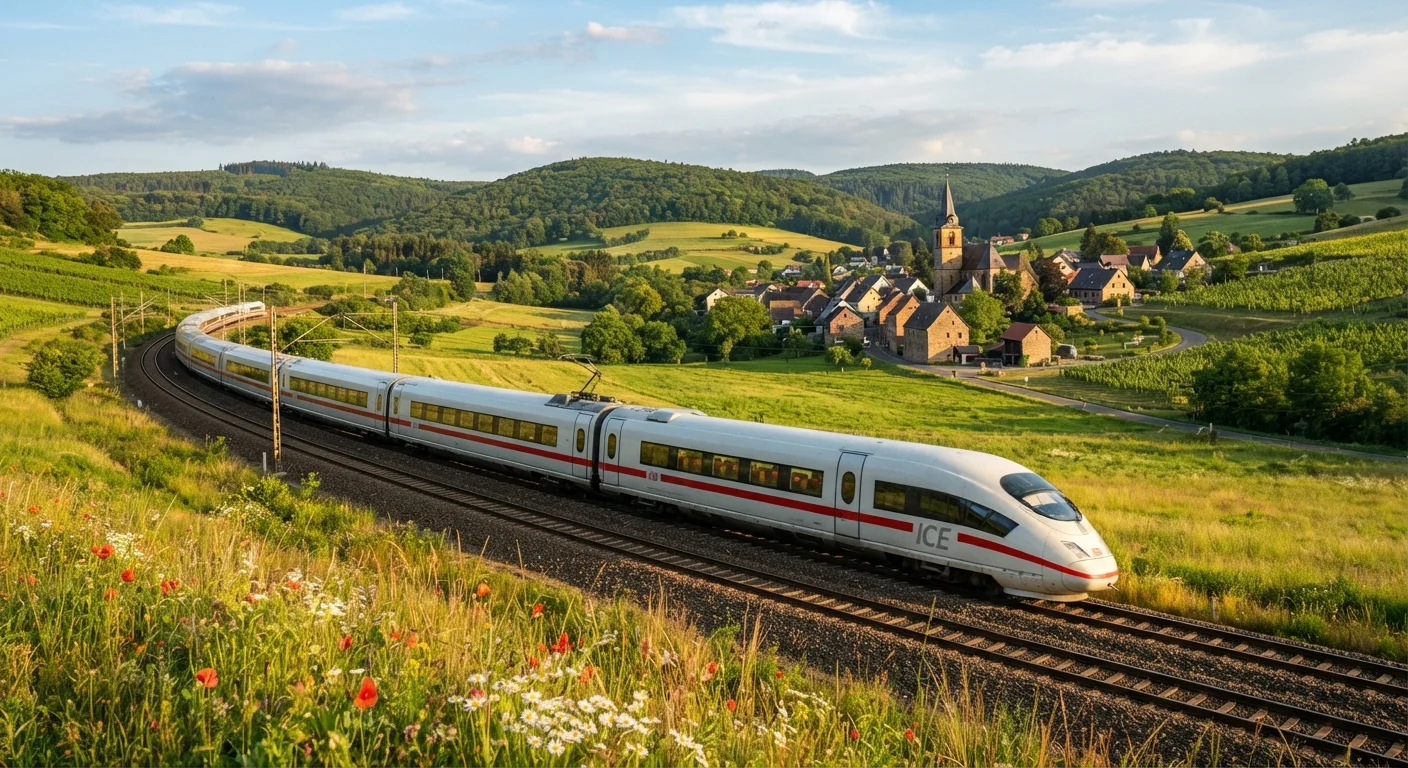
Photo credit: ArticlesHaven.net
In this article
Rail passes, point-to-point tickets, and seat reservations can be confusing. A plain-language walkthrough of European train travel for US visitors.
Key Takeaways
- Rail passes are not always cheaper than point-to-point tickets - compare both before buying.
- Many high-speed trains in Europe require a paid seat reservation even if you hold a rail pass.
- Booking tickets early often unlocks significantly lower fares on popular routes.
- Second-class tickets on most European trains offer a comfortable, fully adequate experience.
- Different countries operate separate rail systems, so one booking platform won't cover everything.
Rail Passes vs. Point-to-Point Tickets: Which Makes Sense?
The first question most American visitors ask is whether to buy a rail pass - typically a Eurail pass marketed to non-European travelers - or purchase individual tickets for each leg. The honest answer is: it depends, and neither option is universally better.
Rail pass
A prepaid travel document that allows unlimited or a set number of train journeys within a region or group of countries over a defined period, often marketed to international visitors.
Point-to-point ticket
A standard ticket purchased for a specific journey between two stations on a set date, similar to buying an airline ticket for a single flight.
Seat reservation
A separately booked assignment to a specific seat on a specific train departure, often required on high-speed services even when you already hold a valid ticket or pass.
High-speed train
A train service operating at significantly higher speeds than conventional rail, typically connecting major cities with limited stops. Examples include the TGV, ICE, AVE, and Frecciarossa.
National rail operator
The primary train company responsible for operating and selling tickets within a specific country, such as SNCF in France or Deutsche Bahn in Germany.
Rail passes work best when your itinerary is flexible and involves multiple countries or many long-distance journeys. You pay upfront for a set number of travel days within a fixed window, then ride without buying individual tickets for each trip. The appeal is convenience and spontaneity.
Point-to-point tickets - booked directly through national rail operators or third-party aggregators - often cost less if your route is planned in advance. High-speed routes between major cities can carry steep walk-up fares but heavily discounted advance prices. If you know your dates and cities, comparing pass cost against individual ticket prices for your specific journey is always worth the extra 20 minutes.
For a first trip through Europe, a mixed approach is common: point-to-point tickets for the fixed legs, with flexibility built around slower regional trains where passes provide better value.
The Seat Reservation Catch Nobody Warns You About
This is where many first-time visitors run into trouble. In Europe, having a valid ticket - or a rail pass - does not automatically mean you have a seat on every train.
A Rail Pass Is Not a Boarding Pass
On many high-speed routes, boarding without a valid seat reservation - even with a fully paid rail pass - can result in being denied travel or charged on the spot. Always verify whether your specific train requires a reservation, and book it before you arrive at the station.
On high-speed services such as the TGV (France), Frecciarossa (Italy), AVE (Spain), and ICE (Germany), a seat reservation is either mandatory or strongly recommended and often carries a separate fee. Pass holders must still book and pay for these reservations. Without one, you may be turned away at the gate or left standing.
Reservations are typically made through the national rail operator's website or ticket office - not always through the platform where you bought your pass. This extra step catches travelers off guard, so build it into your planning checklist alongside the pre-departure logistics for your trip.
Regional and local trains in most countries operate on an open-seating basis - board, find a seat, ride. But don't assume this applies to the faster intercity trains that connect major hubs.
How European Train Classes and Ticket Types Work
Most European trains offer at least two travel classes. Second class (sometimes labeled Standard or Economy) is the default for most travelers. Seats are comfortable, cars are generally clean, and you'll share space with a wide mix of passengers. On the overwhelming majority of routes, second class is perfectly adequate.
First class typically provides wider seats, less crowding, dedicated quiet zones, and occasionally complimentary refreshments. The price premium ranges from modest to substantial depending on the route and operator. For longer overnight journeys or busy peak-season trains, some travelers find the upgrade worthwhile - for shorter day trips, it's rarely necessary.
Second Class Is Usually the Right Call
For most intercity journeys under three hours, second class on European high-speed trains is comfortable, well-maintained, and significantly cheaper than first class. Save the upgrade consideration for overnight services or particularly long daytime journeys where the extra space makes a material difference.
Ticket types add another layer. Common categories include:
- Advance / Non-flexible: Tied to a specific train and date; usually the lowest price but non-refundable.
- Semi-flexible: Allows changes for a fee.
- Flexible / Full-fare: Changeable and refundable, but significantly more expensive.
Read the fare conditions before purchasing - especially if your plans could change. This matters more on high-speed routes where tickets are tied to specific departures.
Booking Timing, Platforms, and What to Watch Out For
European rail booking can be fragmented because each country has its own national operator - SNCF in France, Trenitalia and Italo in Italy, Renfe in Spain, Deutsche Bahn in Germany, and so on. No single platform covers every route with equal pricing transparency.
Third-party aggregators can surface cross-border itineraries in one search, but they sometimes add booking fees or don't show the cheapest operator-direct fares. For any route you plan to take, it's worth checking the national operator's site directly alongside any aggregator you use.
Booking Windows Vary by Route
Different operators open their advance booking windows at different times - anywhere from 30 to 120 days before departure. Some popular international routes, including certain night trains, sell out quickly once bookings open. Check the specific operator's schedule rather than assuming a universal rule applies.
Timing matters significantly for price. On high-demand routes - Paris to London via Eurostar, Rome to Florence, Barcelona to Madrid - fares can jump sharply as the departure date approaches. Booking one to three months ahead is a reasonable general guideline for intercity high-speed routes. Regional routes are less price-sensitive and can usually be booked closer to travel without major cost penalty.
Also worth knowing: some international routes (particularly those involving night trains or cross-border services) open reservations on a specific calendar date well in advance. If a specific route matters to your itinerary, check when bookings open and set a reminder. See also our notes on connecting itinerary risks - some of the same logic applies to rail connections with tight transfer windows.
Planning Your Rail Route Around Budget and Travel Style
European rail networks are genuinely excellent for getting between city centers - trains deposit you directly into central stations, avoiding airport transit time on both ends. For trips where two cities are within roughly four hours by train, rail often competes favorably with flying once total door-to-door time is factored in.
Budget travelers can keep costs down by booking advance non-flexible tickets, traveling second class, and prioritizing routes with heavy competition between operators (Italy and Spain both have competing high-speed services that drive prices down). Slower regional trains are almost always cheaper and often more scenic, though they take longer.
For travelers who want flexibility - deciding the night before where to go next - a rail pass with the understanding that reservation fees still apply can reduce per-trip decision friction. Just go in knowing the true all-in cost includes those reservation add-ons.
Whatever your approach, building a realistic itinerary around your rail connections - rather than treating trains as an afterthought - will save you stress on the ground. Give yourself buffer time between connections, especially in unfamiliar stations, and keep digital and printed copies of your tickets accessible.
National Rail Operator Websites
Booking directly through each country's official rail operator (SNCF, Trenitalia, DB, Renfe, etc.) often surfaces the lowest fares and most complete seat reservation options for that network.
Rail Route Comparison Tools
Third-party rail aggregators let you search cross-border itineraries in one interface, useful for multi-country trips - though always cross-check fares with the operator's own site.
Eurail Pass Calculator
Before buying any rail pass, use a pass cost calculator to compare the all-in price (including reservation fees) against the sum of individual point-to-point tickets for your planned route.
Frequently Asked Questions

Author
Articles Haven Editorial Contributor
Articles Haven Editorial Team is the collective byline for our editorial team and contributor network. Articles published under this byline or an editorial pen name are researched, written, and reviewed according to our editorial standards for clarity, consistency, and independence before publication.
View all articles →