
Solo Travel for the First Time: Destination Choices That Ease the Learning Curve
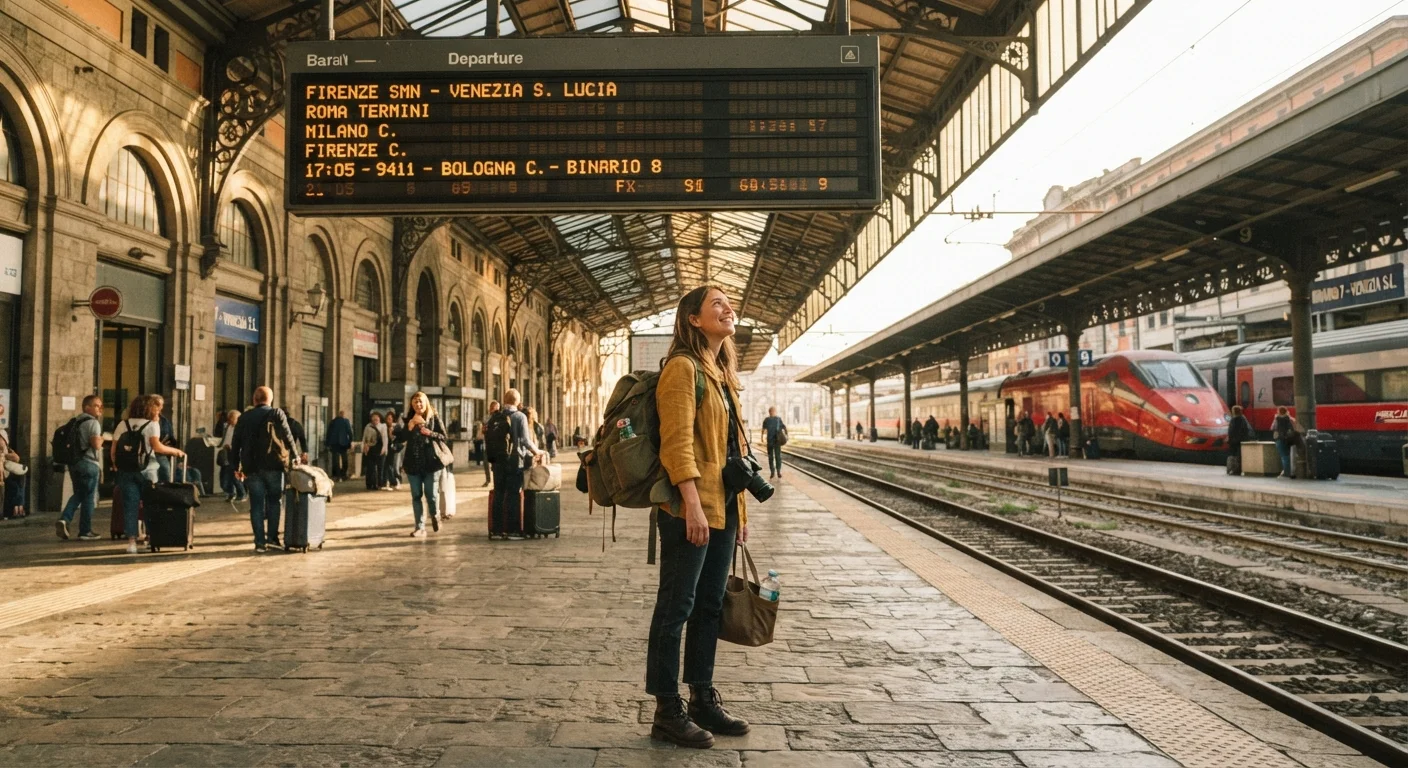
Photo credit: ArticlesHaven.net
In this article
First-time solo travelers don't need to go easy — but destination logistics matter. See which trip types and regions are more forgiving to navigate alone.
Key Takeaways
- Logistics matter more than excitement level - easier infrastructure reduces solo stress significantly.
- English-language signage and tourism infrastructure lower the barrier for first-time solo travelers.
- Shoulder season travel typically balances manageable crowds with reasonable accommodation costs.
- Safety perceptions vary widely; verify current conditions through official government travel advisories.
- Budget planning solo requires accounting for single-occupancy room supplements and solo activity costs.
- Your travel style - city-hopping, nature, culture - should drive the destination, not the other way around.
Why Destination Choice Matters More When You're Solo
Traveling alone amplifies everything - the highs feel freer, and the logistics feel heavier. When something goes sideways in a group, there are other people to problem-solve with. Solo, the decision-making is entirely yours. That's part of the appeal, but it also means the practical characteristics of a destination carry more weight than they would otherwise.
First-timers often fixate on the excitement of a destination - its scenery, its food, its reputation - without thinking through how it actually functions as a place to move around alone. Getting from the airport, finding accommodation, navigating unfamiliar transit systems, and communicating when language is a barrier: these things require mental bandwidth. A destination that handles them smoothly leaves energy for the actual experience. One that doesn't can make an otherwise great trip feel exhausting before it gets started.
This isn't an argument for playing it safe. It's an argument for choosing strategically. Researching destination logistics before you commit - transit reliability, accommodation density, English-language accessibility - is one of the most useful things a first-time solo traveler can do.
What Makes a Destination 'Solo-Friendly'?
Solo-friendly doesn't mean tourist-saturated or risk-free - it means the destination has characteristics that reduce unnecessary friction for someone navigating alone. Key factors include:
- Transit infrastructure: Reliable, bookable-in-advance public transportation reduces dependence on negotiating private transport.
- Accommodation density: Places with a range of hostels, guesthouses, and hotels give solo travelers flexible options at different price points.
- English accessibility: Signage, menus, and basic interactions in English significantly lower the communication load for US travelers.
- Tourism familiarity: Destinations accustomed to international visitors tend to have clearer systems - marked attractions, available maps, predictable pricing.
- Safety baseline: Not zero-risk, but a situation where standard urban awareness is the primary requirement rather than specialized knowledge.
Single supplement
An extra charge hotels and tour operators add when only one person occupies a room or spot priced for two. It can significantly increase per-night costs for solo travelers.
Shoulder season
The travel period between a destination's peak and off-peak seasons. It typically offers lower prices and fewer crowds while still having most services open.
Travel advisory
An official government assessment of safety conditions in a foreign country or region. The US Department of State publishes these at different alert levels to help travelers make informed decisions.
Transit infrastructure
The network of public transportation options - buses, trains, subways, ferries - available in a destination. Strong transit infrastructure makes it easier to move around without a car.
Solo-friendly accommodation
Lodging options that cater to single travelers, such as hostels with private rooms or dorm beds, guesthouses, or hotels that don't charge steep single supplements.
None of these factors is a dealbreaker on its own - plenty of solo travelers thrive in places with limited English or minimal tourism infrastructure. But for a first solo trip, having several of these in place meaningfully lowers the learning curve.
Destination Types Worth Considering First
Rather than naming specific cities or countries as universally right, it's more useful to think in terms of destination types that tend to suit first-time solo travelers well.
Mid-sized cities with strong public transit
Urban destinations with reliable metro or rail systems let you move freely without a car. Walkable neighborhoods with visible street life provide natural social anchors. You're rarely more than a short ride from your accommodation if plans change.
Well-established backpacker circuits
Regions with long histories of independent traveler traffic - parts of Europe, Southeast Asia, and Latin America - have ecosystems built around solo travelers: hostel common rooms, group tour departure points, and well-worn advice networks. The infrastructure practically teaches you how to use it.
English-speaking or English-accessible destinations
For a first trip, removing the language barrier lets you focus on navigation, safety awareness, and enjoying the experience. European regions vary significantly in logistics, cost, and crowd levels, so comparing them before committing is worthwhile.
Use Hostel Common Areas Strategically
Even if you prefer a private room, booking at a hostel gives you access to common spaces where solo travelers naturally congregate. It's one of the easiest ways to find temporary travel companions for a day trip or dinner without any formal planning.
Domestic travel as a genuine option
A first solo trip doesn't have to cross an international border. Domestic destinations sidestep visa paperwork, time zone shock, and international roaming costs - useful when you're still calibrating how you handle being alone on the road.
Budget and Season: Two Variables That Shift the Calculus
Solo travel carries a structural cost disadvantage: you can't split a hotel room or a taxi. The single supplement - the premium charged for sole occupancy - can add 30-100% to accommodation costs compared to a shared booking. Factoring that into your destination budget before you go prevents unpleasant surprises.
Season matters in two ways. Peak season means crowds, higher prices, and booked-out accommodation - manageable, but stressful when you haven't built your planning confidence yet. Off-season can mean lower costs and quieter streets, but also reduced service hours, closed attractions, or weather that limits your plans. Shoulder season (the weeks between peak and off-peak) often threads the needle: reasonable prices, functioning services, and enough other travelers around to make social connection easier if you want it.
Solo Pricing Varies by Accommodation Type
The single supplement primarily applies to hotels and package tours. Hostels, apartment rentals, and some guesthouses price by the person or bed rather than by the room, which can significantly reduce the solo cost penalty. Exploring these options early in your planning can open up destinations that might otherwise seem out of budget.
Budget also shapes which destination types are realistic. Regions with lower baseline costs for accommodation and food extend your runway - more days for the same spend - while giving you more room to absorb the solo premium. That said, a higher-cost destination with efficient free transit can offset some of the expense compared to a cheap-but-car-dependent one.
Factors That Can Complicate Solo Navigation
Being aware of what can make solo navigation harder - not to avoid it, but to plan around it - helps you evaluate destinations honestly.
- Car dependency: Destinations where driving is the only practical transport option require renting a car alone, which adds cost, responsibility, and navigation load.
- Visa complexity: Some destinations require advance visa applications, supporting documents, or entry fees that take time to arrange. Verify requirements through official government sources well ahead of your trip date.
- Extreme language barriers: In places with no Latin-script signage and limited English, even basic wayfinding takes significantly more effort. This is manageable with preparation, but adds real cognitive load.
- Limited accommodation variety: In some destinations, only luxury hotels or very basic guesthouses exist, with little in between - reducing flexibility for solo budget travelers.
Don't Rely on Online Safety Perceptions Alone
Forum posts and social media often reflect outdated or anecdotal experiences. For accurate, current safety information, always check your government's official travel advisory for any destination you're considering. Conditions can shift quickly and informal sources rarely capture that in real time.
Once you've settled on a shortlist of destinations, the next step is practical preparation. The pre-trip checklist for first-time international travelers covers documents, money, health prep, and logistics in detail. And if you're ever curious how solo destination decisions differ from group ones, choosing a destination as a group works from an entirely different set of priorities.
Frequently Asked Questions

Author
Articles Haven Editorial Contributor
Articles Haven Editorial Team is the collective byline for our editorial team and contributor network. Articles published under this byline or an editorial pen name are researched, written, and reviewed according to our editorial standards for clarity, consistency, and independence before publication.
View all articles →