
Hawaii Island by Island: Matching Each One to a Travel Style
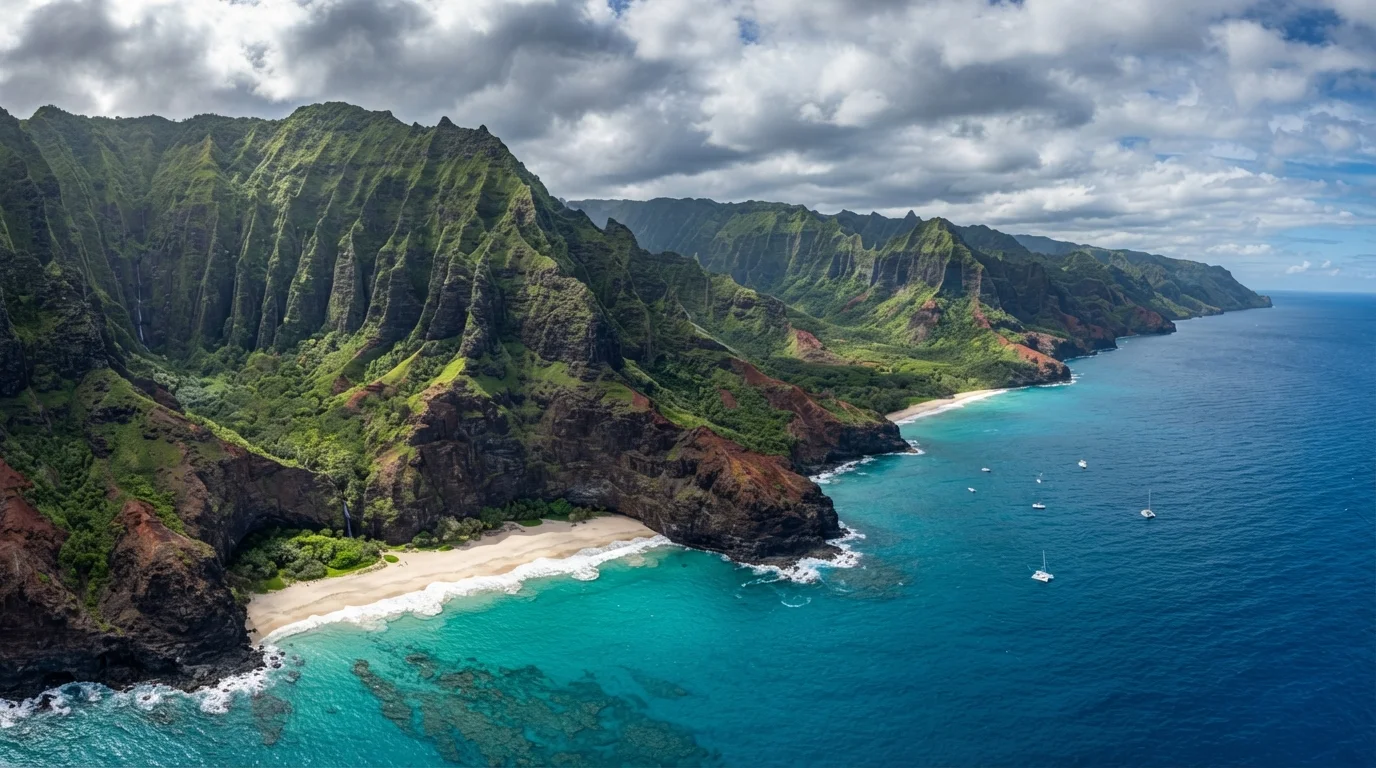
Photo credit: ArticlesHaven.net
In this article
Oahu, Maui, Kauai, and the Big Island each have a distinct character. Compare them by activity type, crowd level, and overall atmosphere.
Key Takeaways
- Oahu suits travelers who want a mix of urban energy, nightlife, and iconic beach culture.
- Maui balances resort comfort with accessible natural beauty, making it a crowd-pleaser for many travel styles.
- Kauai rewards slow-paced, nature-focused travelers willing to stay off the beaten path.
- The Big Island is ideal for adventure seekers and those drawn to active volcanoes and diverse ecosystems.
- Crowd levels, costs, and activity types vary significantly across islands - matching your style matters.
Why the Island You Choose Changes Everything
Hawaii is often treated as a single destination, but the four main islands - Oahu, Maui, Kauai, and the Big Island (Hawaii Island) - are genuinely different places. They vary in crowd density, terrain, infrastructure, cost, and atmosphere. Choosing the wrong one for your travel style can turn a dream trip into an expensive mismatch.
Whether you're planning around activities, budget, or pace, the framework below helps you cut through the postcard imagery and make a practical call. If you're still deciding between a beach-heavy trip and something more nature-immersive, the city break vs. nature escape comparison is worth reading alongside this one.
| Oahu | Maui | Kauai | Big Island | |
|---|---|---|---|---|
| Crowd Level | High - especially Waikiki | Moderate to high | Low to moderate | Low to moderate |
| Best For | First-timers, culture seekers | Couples, families, resort stays | Nature lovers, hikers | Adventure, geology, diversity |
| Infrastructure | Most developed | Well developed | Limited | Varies by region |
| Relative Cost | Moderate to high | High | Moderate | Moderate (varies by coast) |
| Top Landscapes | Beaches, Diamond Head | Haleakalā, Road to Hana | Na Pali Coast, Waimea Canyon | Active volcanoes, lava fields |
| Car Rental Needed | Optional | Yes | Yes | Yes |
| Pace | Fast to moderate | Moderate | Slow, deliberate | Moderate to active |
Oahu: Energy, Access, and Cultural Depth
Oahu is home to Honolulu, Waikiki Beach, and the majority of Hawaii's population. It's the most visited island by a wide margin, and that brings both advantages and trade-offs. You'll find the widest range of accommodation price points, reliable public transit options, and the most developed food and nightlife scene in the state.
Waikiki is genuinely crowded - especially during peak season (June through August and the winter holidays). But Oahu's North Shore offers a different register entirely: surf culture, roadside shrimp trucks, and a laid-back energy that contrasts sharply with the resort strip. For travelers who want cultural experiences - Pearl Harbor, the Bishop Museum, traditional luaus - Oahu is unmatched in the chain.
Book Oahu's North Shore Early
If you want to experience Oahu beyond Waikiki, plan the North Shore as a deliberate day trip or base yourself there for a few nights. Accommodation options are limited compared to Honolulu, so availability fills quickly in peak season. Renting a car for at least part of your Oahu stay opens up significantly more of the island.
Maui: The Middle Ground Most Travelers Land On
Maui consistently ranks as a favorite for a reason: it threads the needle between accessibility and natural drama. The Road to Hana, Haleakalā National Park, and the beaches of Wailea and Ka'anapali give travelers a genuine sense of Hawaii's landscape without requiring the rougher logistics that Kauai or the Big Island can demand.
Resort infrastructure is strong, particularly in West Maui and South Maui. That makes Maui a reliable choice for families and couples who want comfort alongside adventure. It's also one of the pricier islands for accommodation, so your spending style matters here. Budget-focused travelers will need to plan carefully or look at less central lodging areas.
~10M
Annual visitors to Hawaii
Hawaii Tourism Authority data indicates the state regularly receives around 10 million visitors per year, with Oahu drawing the largest share.
4,028 ft
Na Pali Coast cliff heights on Kauai
The Na Pali Coast's sea cliffs reach over 4,000 feet, making them among the tallest coastal cliffs in the world.
11
Climate zones on the Big Island
Hawaii Island contains 11 of the world's 14 climate zones, reflecting its exceptional ecological diversity across its large land area.
Kauai: Solitude, Scenery, and a Slower Pace
Kauai is the oldest of the main islands geologically, and it shows - the Na Pali Coast's jagged cliffs and Waimea Canyon's layered reds are visually unlike anything else in the state. But Kauai is also the least developed, which is a feature, not a flaw, depending on your expectations.
There's no major city here. Lihue is the closest thing to an urban center, and it's small. Getting around requires a rental car. Many of the best hikes - the Kalalau Trail in particular - are strenuous, permit-required, and not accessible to casual day-trippers. If your travel style leans toward rewarding effort over comfort, Kauai earns its reputation. Travelers considering a similar trade-off between dramatic landscapes elsewhere should check out how New Zealand and Iceland compare for useful framing.
The Big Island: Scale, Contrast, and Raw Geology
Hawaii Island - the Big Island - is larger than all the other Hawaiian islands combined. That size translates into genuine climate diversity: you can move from rainforest to lava desert to snow-capped volcanic summit within a few hours. Hawaiʻi Volcanoes National Park is the centerpiece, offering one of the few places in the world where you can observe active lava flows under the right conditions (always verify current park access before visiting).
The island's two coasts behave differently. The Kohala Coast on the west is dry, sunny, and home to most of the resorts. The Hilo side on the east is wetter, greener, and considerably more affordable. Group travelers with varied preferences - some wanting resorts, others wanting hiking - may find the Big Island actually accommodates them well. The guide to choosing destinations for group travel covers this kind of mixed-preference planning in detail.
Verify Volcano Access Before Visiting
Conditions at Hawaiʻi Volcanoes National Park change frequently depending on volcanic activity, air quality (volcanic smog, or 'vog'), and trail closures. What's accessible on one visit may be closed on the next. Always check the National Park Service's official site for current conditions and access rules before building your itinerary around specific lava viewing.
Practical Factors: Crowds, Cost, and Getting Around
All four islands require a rental car for meaningful exploration, with Oahu as the partial exception given its bus network. Inter-island flights are short (typically 30-50 minutes) and reasonably priced when booked in advance, making multi-island itineraries workable for longer trips.
Seasonally, Hawaii draws peak crowds in summer and over winter holidays. Shoulder seasons - spring and fall - generally offer lower accommodation rates and thinner crowds without the tradeoff of significantly worse weather. For travelers considering a cruise-based approach to island-hopping instead, the cruises vs. independent travel breakdown outlines what you gain and give up with each format.
Accommodation costs tend to run highest on Maui and Oahu's resort corridors, with more budget flexibility on the Big Island's Hilo side and in Kauai's smaller towns. Prices fluctuate significantly by season and booking window, so treat any general comparison as directional rather than fixed.
Travel conditions, park access, permit requirements, and entry rules can change. Always verify current information with official state and national park sources before your trip.

Author
Articles Haven Editorial Contributor
Articles Haven Editorial Team is the collective byline for our editorial team and contributor network. Articles published under this byline or an editorial pen name are researched, written, and reviewed according to our editorial standards for clarity, consistency, and independence before publication.
View all articles →