
City Break vs. Nature Escape: Choosing the Right Trip Format
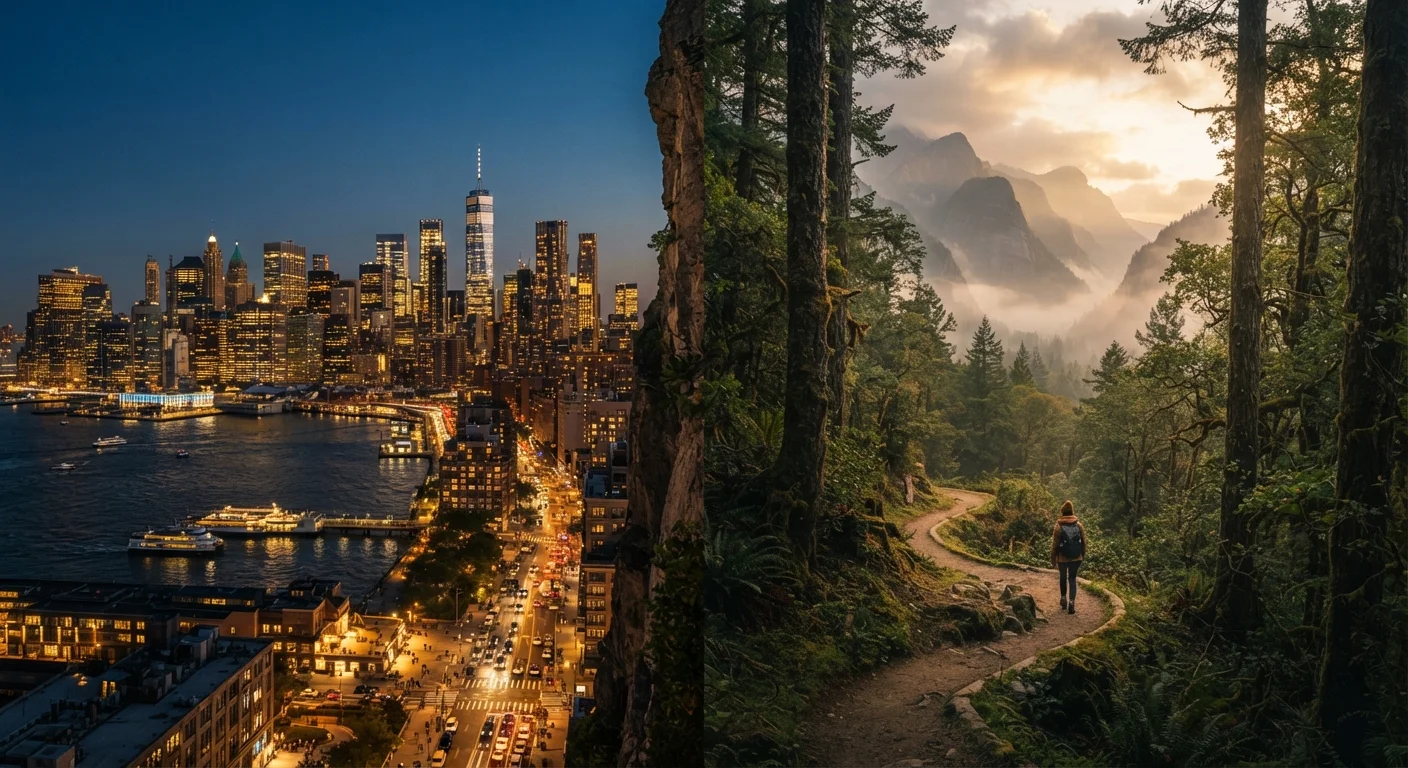
Photo credit: ArticlesHaven.net
In this article
Urban exploration or wilderness immersion? Walk through the trade-offs to figure out which style of trip suits your next vacation.
Key Takeaways
- City breaks pack more activities per day but cost more per night in accommodation and food.
- Nature escapes require more logistical planning - gear, transport, and weather windows all matter.
- Season has an outsized effect on nature trips; cities are generally viable year-round.
- Your travel group composition (solo, couple, family with kids) often tips the decision.
- Both formats can be combined - a hybrid itinerary is a legitimate third option.
What Actually Separates These Two Trip Formats
The distinction isn't just scenery - it's the entire logic of the trip. A city break organizes itself around density: restaurants, galleries, transit, and neighborhoods cluster together so you move between experiences quickly. A nature escape inverts that. Distance is part of the point. You travel to get somewhere remote, and the experience unfolds at the pace of terrain and daylight rather than a subway map.
That structural difference cascades into almost every planning decision - where you sleep, how you move, what you pack, and what goes wrong if something doesn't work out. Understanding those downstream effects is how you pick the right format, not just the right destination. For a broader framework on urban versus rural travel, see this comparison of city and rural trip experiences.
| Criterion | City Break | Nature Escape |
|---|---|---|
| Typical trip length | 2-5 days | 4-10 days |
| Accommodation range | Hotels, hostels, Airbnb | Camping, lodges, cabins |
| Weather sensitivity | Low | High |
| Planning effort | Moderate | High |
| Daily cost (general) | Higher | Variable (lower floor) |
| Physical demands | Walking-level | Hiking to strenuous |
| Spontaneity | Easy to pivot | Limited mid-trip flexibility |
| Cell/internet access | Reliable | Often limited or absent |
| Family with young kids | Generally easier | Requires more preparation |
Budget and Cost Structure
City breaks tend to cost more per night. Urban hotels in desirable neighborhoods carry a significant premium, and dining out three times a day in a major city adds up fast. Transit passes, museum entry, and event tickets layer on further. The spending is visible and daily.
Nature escapes can be cheaper - but conditionally. If you already own gear (a tent, sleeping bag, hiking boots, cooking equipment), dispersed camping on public land in the US costs very little. National park fees are generally modest. But if you're starting from scratch or renting equipment, the upfront cost narrows that gap considerably. Lodges and glamping options in natural areas can rival or exceed city hotel rates.
87%
Americans who camp report mental health benefits
According to the Outdoor Foundation's Outdoor Participation Trends report, a large majority of campers cite stress reduction as a primary motivation.
$347
Average nightly hotel cost in major US cities
CoStar Group data from recent years shows urban hotel rates in top US markets consistently exceed those in rural or gateway communities near parks.
4.5 days
Average US vacation trip length
US Travel Association research indicates the median American leisure trip falls well under a week, favoring formats that compress well into short windows.
The smarter framing is predictability: city trips let you budget in advance line-by-line, while nature trips carry more variable costs depending on conditions, gear failures, or last-minute plan changes. For a broader look at how spending style shapes destination choice, comparing budget and comfort travel approaches is worth reading before you book.
Season and Timing Considerations
Cities absorb bad weather better than wilderness does. A rainy day in a European capital reroutes you to a covered market or a museum - inconvenient but manageable. A rainy week on a backcountry hiking trip can make trails dangerous, campsites miserable, and the entire itinerary unsafe. Weather windows matter enormously in nature travel in a way they simply don't in urban contexts.
This makes seasonal timing a serious variable for nature escapes. Popular outdoor destinations in the US - national parks in the Southwest, alpine regions in the Rockies, coastal areas in the Pacific Northwest - have narrow ideal windows. Shoulder seasons offer fewer crowds but real tradeoffs in conditions. Cities, by contrast, are generally accessible year-round, with the main seasonal variable being crowd density and pricing rather than safety or viability.
Permit Systems Can Shape Your Timeline
Many of the most popular natural areas in the US - including parts of Zion, Yosemite, and the Grand Canyon's backcountry - operate lottery or advance-permit systems that open months ahead of the travel window. If you have specific dates in mind, check permit availability before planning anything else. Missing this step is one of the most common pitfalls in nature trip planning.
If you're considering a trip to a destination that blends outdoor access with city infrastructure, coastal vs. inland destination trade-offs adds another useful lens for that decision.
Logistics, Planning Effort, and Flexibility
City breaks are comparatively forgiving to plan. Flights land at major airports, accommodations are abundant, and if a restaurant is closed or a museum sells out, there's something else within a few blocks. The infrastructure is designed for visitors. Nature escapes demand more proactive planning - permit systems for popular trails, limited lodging near trailheads, no cell service for navigation, and the need to carry everything you'll need.
That's not a reason to avoid nature travel; it's a reason to plan it more thoroughly. Once the logistics are sorted, a well-planned wilderness trip has fewer daily friction points than a city trip - there's no menu decision fatigue, no line management, no crowded transit. For help structuring either kind of trip, building a travel itinerary that actually works covers the fundamentals.
Flexibility looks different in each format too. City trips can be adjusted on the fly; nature trips are harder to pivot mid-itinerary when conditions change. If your travel group values spontaneity, that's a real point in the city break column. Single-destination vs. multi-city trip planning is a useful parallel read if you're deciding on the structure of a city-based itinerary.

Author
Articles Haven Editorial Contributor
Articles Haven Editorial Team is the collective byline for our editorial team and contributor network. Articles published under this byline or an editorial pen name are researched, written, and reviewed according to our editorial standards for clarity, consistency, and independence before publication.
View all articles →