
Retail Price vs. Sale Price vs. True Value: Understanding the Difference
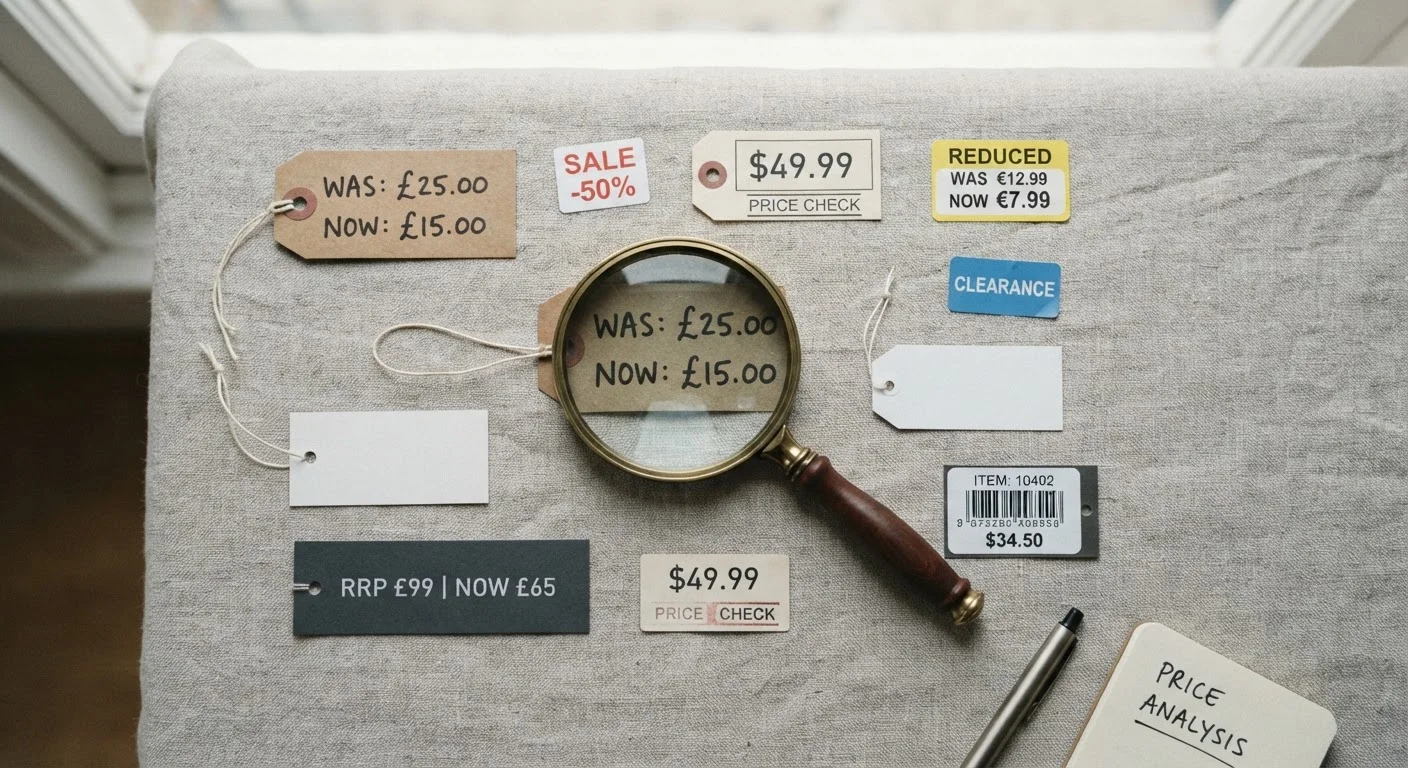
Photo credit: ArticlesHaven.net
In this article
Sticker prices, markdowns, and perceived value can all mislead. Here's how to cut through the noise and evaluate what something is actually worth.
Key Takeaways
- Retail prices are set by sellers and often reflect marketing strategy as much as actual cost.
- A sale price is only meaningful if the original retail price was a genuine market rate.
- True value depends on your specific needs, comparable options, and the item's actual performance.
- Price anchoring - showing a high "was" price - is a psychological tactic, not evidence of savings.
- Comparing unit prices and researching alternatives are the most reliable ways to assess true value.
What Retail Prices Actually Represent
A retail price - sometimes called the MSRP (Manufacturer's Suggested Retail Price) or simply the "regular price" - is the number a seller uses as a baseline. It's not a neutral figure. It's shaped by manufacturing costs, wholesale margins, competitive positioning, and how the retailer wants consumers to perceive the product's worth.
That means a retail price can be inflated well above what the market actually bears, or it can sit at a reasonable market rate. Without context, you can't tell which just by looking at the tag. A $180 pair of jeans at one retailer and a $40 pair at another aren't necessarily different in quality - they may just reflect different brand strategies.
Understanding this is the first step toward smarter shopping. The retail price is a starting point for negotiation or comparison, not a statement of inherent worth. See how price anchoring shapes what you're willing to pay for a deeper look at how these reference numbers influence decisions.
~60%
Shoppers who assume sale prices are lower than competitors
Consumer behavior research has consistently found that a majority of shoppers assume a sale price beats regular prices elsewhere, which is not always the case.
87%
Consumers influenced by reference ("was") prices
Studies in behavioral economics indicate the vast majority of purchasing decisions are shaped by the presence of a higher reference price shown alongside a sale price.
When a Sale Price Is - and Isn't - Meaningful
A sale price only tells you something useful if the original retail price was a genuine, sustained market rate. When retailers inflate a "regular" price just to create a larger-looking discount, the sale price may not be below what you'd pay elsewhere on any given Tuesday.
This practice - sometimes called fictitious pricing - is more common than most shoppers assume. A product marked "40% off" at one store might be priced at its "sale" price all year at a competing retailer, no discount required.
Check the Price History Before You Buy
Free browser extensions and websites track price histories for many retail products. Before concluding a sale price is a genuine markdown, look at whether the item has sold at that "sale" price for most of the past year. If the "original" price only appears briefly, the discount may be artificial.
That said, real markdowns do exist. End-of-season clearance, inventory reductions, and genuine promotional events can move prices meaningfully below typical market levels. The question to ask isn't "how much is it off?" but "what is the actual price, and how does it compare to alternatives?" For more on separating genuine opportunities from misleading tags, see clearance pricing myths.
True Value: The Number That Actually Matters
True value is personal and contextual. It's what an item is genuinely worth to you based on how you'll use it, how long it will last, and what alternatives exist at different price points. It's not a number printed anywhere - you have to construct it yourself.
A few practical ways to do that:
- Compare unit prices across similar products. Unit pricing strips away packaging and gives you a cost-per-use or cost-per-ounce figure that makes comparisons honest.
- Factor in longevity. A product priced 30% higher that lasts twice as long may represent better value per year of use.
- Check what you'd actually use it for. A feature-heavy appliance has lower true value for someone who won't use 80% of its features.
True value also shifts based on your own finances. The same item has different value depending on whether the purchase is easy or a stretch. See what actually makes something worth buying for a structured way to think this through.
Common Traps That Blur the Lines
Several tactics make it harder to distinguish between these three price concepts. Knowing them doesn't mean being cynical about every purchase - it just means being clear-eyed.
Reference price inflation: Displaying a high "was" price next to a lower "now" price anchors your perception. The discount feels larger than it may actually be in market terms. Common shopping myths covers this and other beliefs that cost consumers real money.
Bundle pricing: Grouping items together can obscure the individual price of each component, making it hard to know if you're paying a fair rate for what you actually want.
Limited-time framing: Urgency cues push decisions before comparison shopping can happen. A sale that's "ending soon" isn't automatically a deal worth rushing into.
Pricing Laws Vary by State
Some U.S. states have consumer protection rules governing how retailers can advertise reference prices - for example, requiring that a "regular" price must have been offered for a minimum period before a sale can be advertised. These rules are inconsistently enforced. If you believe a price advertisement is deceptive, your state attorney general's consumer protection office is a starting point for information.
For context on comparing specific product categories side by side, the product comparisons hub provides structured breakdowns that can anchor your sense of typical market pricing.
Frequently Asked Questions

Author
Articles Haven Editorial Contributor
Articles Haven Editorial Team is the collective byline for our editorial team and contributor network. Articles published under this byline or an editorial pen name are researched, written, and reviewed according to our editorial standards for clarity, consistency, and independence before publication.
View all articles →