
Fleece vs. Wool: Which Natural and Synthetic Layering Fabric Performs Better?
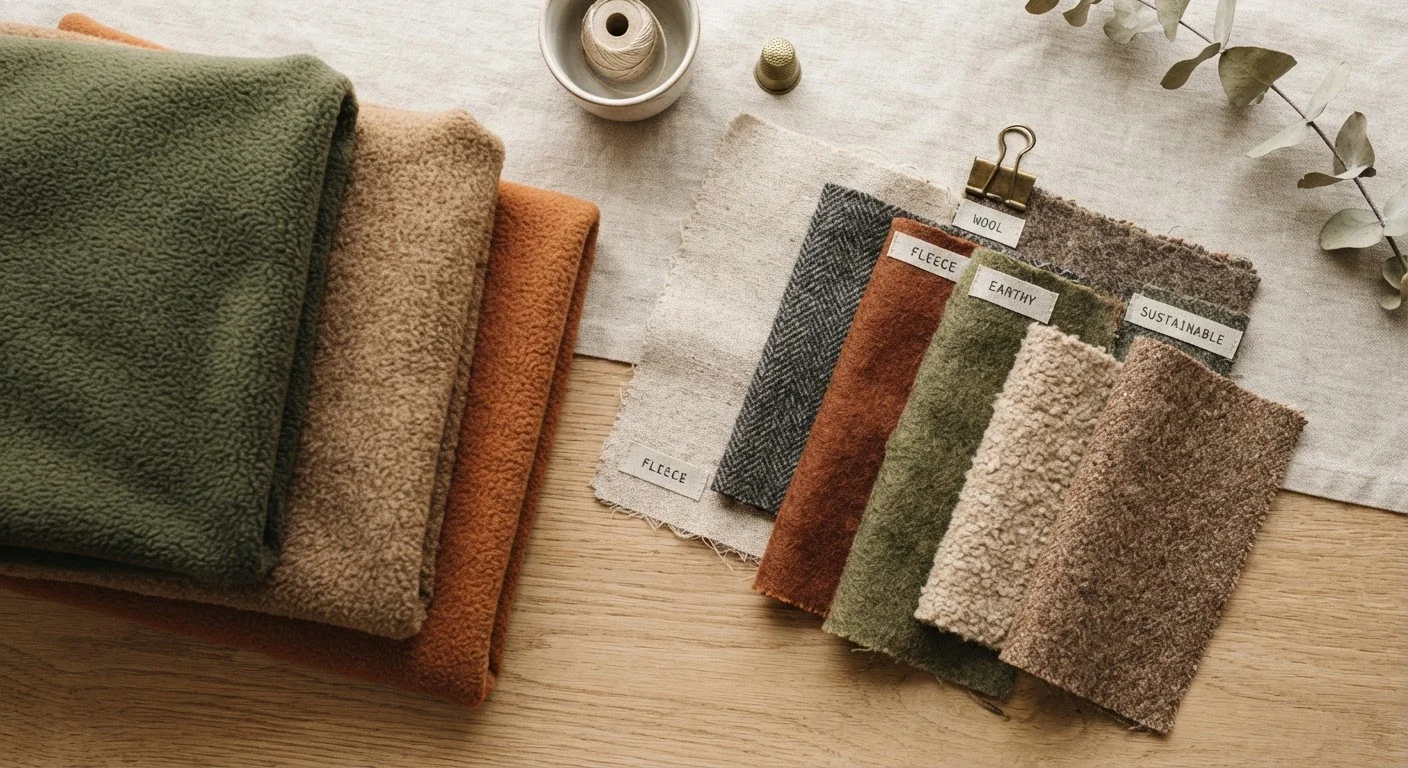
Photo credit: ArticlesHaven.net
In this article
Fleece and wool both insulate well, but moisture management, durability, and sustainability differ. Compare both before gearing up.
Key Takeaways
- Fleece dries significantly faster than wool and weighs less for equivalent warmth.
- Wool resists odor naturally and regulates body temperature across a wider range of conditions.
- Fleece is typically less expensive upfront; wool tends to last longer with proper care.
- Wool is biodegradable; fleece sheds microplastics and has a larger environmental footprint.
- Neither fabric is universally superior - the right choice depends on activity, climate, and budget.
How Each Fabric Is Made and What That Means
Fleece is a synthetic fabric, most commonly made from polyester. It's engineered to mimic the lofted, insulating structure of natural fibers at a lower cost and lighter weight. Wool, by contrast, is a natural protein fiber sheared from sheep (or other animals like merino sheep, alpacas, or goats). These fundamentally different origins shape almost every performance characteristic that follows.
Fleece is consistent in texture and weight because it's manufactured to specification. Wool varies by animal breed and processing method, which affects softness, weight, and warmth. Merino wool - a fine-grade variety - has become a popular mid-layer choice specifically because it avoids the scratchiness associated with coarser wools.
For shoppers considering how insulation works across different fabric and fill types, it helps to understand the trade-offs explored in pieces like down vs. synthetic insulation in jackets, where similar natural-versus-engineered dynamics apply.
Warmth, Moisture, and Performance Side by Side
Both materials trap air to insulate, but they handle moisture very differently. Fleece is hydrophobic - it doesn't absorb water - so it dries quickly and maintains warmth even when wet. Wool absorbs moisture into the fiber itself rather than sitting against the skin, which helps regulate perceived humidity and temperature. However, wet wool is noticeably heavier than wet fleece and takes much longer to dry.
Wool's temperature regulation edge is real: the fiber can absorb a meaningful percentage of its weight in moisture vapor before it feels wet, which buffers against both overheating and chill. That makes it useful across a wider ambient temperature range. Fleece, while faster-drying, tends to feel clammy or sweaty during sustained high-output activity if ventilation is poor.
| Criterion | Fleece | Wool |
|---|---|---|
| Material origin | Synthetic (polyester) | Natural (animal fiber) |
| Drying speed | Very fast | Slow to moderate |
| Odor resistance | Low - retains odor | High - naturally antimicrobial |
| Weight for warmth | Lighter at comparable warmth | Heavier, especially when wet |
| Temperature range | Narrower, better for cold only | Broader, buffers heat and cold |
| Care requirements | Machine wash, minimal fuss | Gentle wash needed |
| Typical upfront cost | Lower | Higher |
| Biodegradability | No | Yes |
| Pilling tendency | Moderate to high | Low to moderate (quality-dependent) |
~30%
Moisture wool can absorb before feeling wet
Wool fibers can absorb up to roughly 30% of their dry weight in moisture vapor, according to textile fiber research, before the fabric feels damp against skin.
~700,000
Microfibers shed per fleece wash cycle
Studies published in environmental science journals have estimated that a single synthetic fleece garment can shed hundreds of thousands of microfibers per wash, many of which pass through wastewater treatment.
2-3x
Longer lifespan of quality wool vs. entry fleece
Consumer durability assessments suggest that well-maintained merino wool garments can outlast entry-level polyester fleece pieces by a factor of two to three in typical use.
Durability, Care, and Long-Term Value
Fleece is machine-washable without special handling and doesn't shrink under normal conditions. Wool requires more attention - most wool garments call for cold water, gentle cycles, or hand washing to avoid felting (irreversible fiber matting). Despite this, high-quality wool often outlasts fleece in terms of structural integrity over many years.
Fleece pills over time, especially in high-friction areas like underarms and cuffs. Wool can pill too, but the fibers tend to hold shape longer when treated correctly. From a pure cost-per-year standpoint, a well-cared-for wool piece can edge out cheaper fleece if the fleece needs replacing within a few seasons.
If you're evaluating wool's properties across other home applications, the comparison of wool vs. cotton bedding covers similar care and comfort trade-offs in a different context.
A Note on Wool Grade and Softness
Not all wool feels the same. Fiber diameter, measured in microns, determines softness. Merino wool (typically under 20 microns) is soft enough for next-to-skin wear, while coarser wools (above 30 microns) can feel scratchy and are better suited for outer layers or home textiles. When evaluating wool layering pieces, checking the micron rating or fiber grade can save you from an uncomfortable surprise.
Environmental Footprint: Which Is Greener?
Wool's environmental profile is more complex than a simple "natural is better" framing. Sheep farming carries land use and methane emission considerations, and some production practices raise animal welfare concerns. That said, wool is fully biodegradable and renewable, which is a meaningful advantage at end of life.
Fleece made from recycled polyester reduces some of the virgin-plastic drawbacks, but the core issue remains: polyester fleece sheds microplastic fibers during washing, which enter waterways. Wash bags designed to catch these fibers can reduce - but not eliminate - shedding. Shoppers who weight environmental impact heavily will generally find wool a more defensible long-term choice, though sourcing and certifications matter significantly.

Author
Articles Haven Editorial Contributor
Articles Haven Editorial Team is the collective byline for our editorial team and contributor network. Articles published under this byline or an editorial pen name are researched, written, and reviewed according to our editorial standards for clarity, consistency, and independence before publication.
View all articles →