
Price Matching: How It Works, Where It's Offered, and What the Fine Print Usually Says
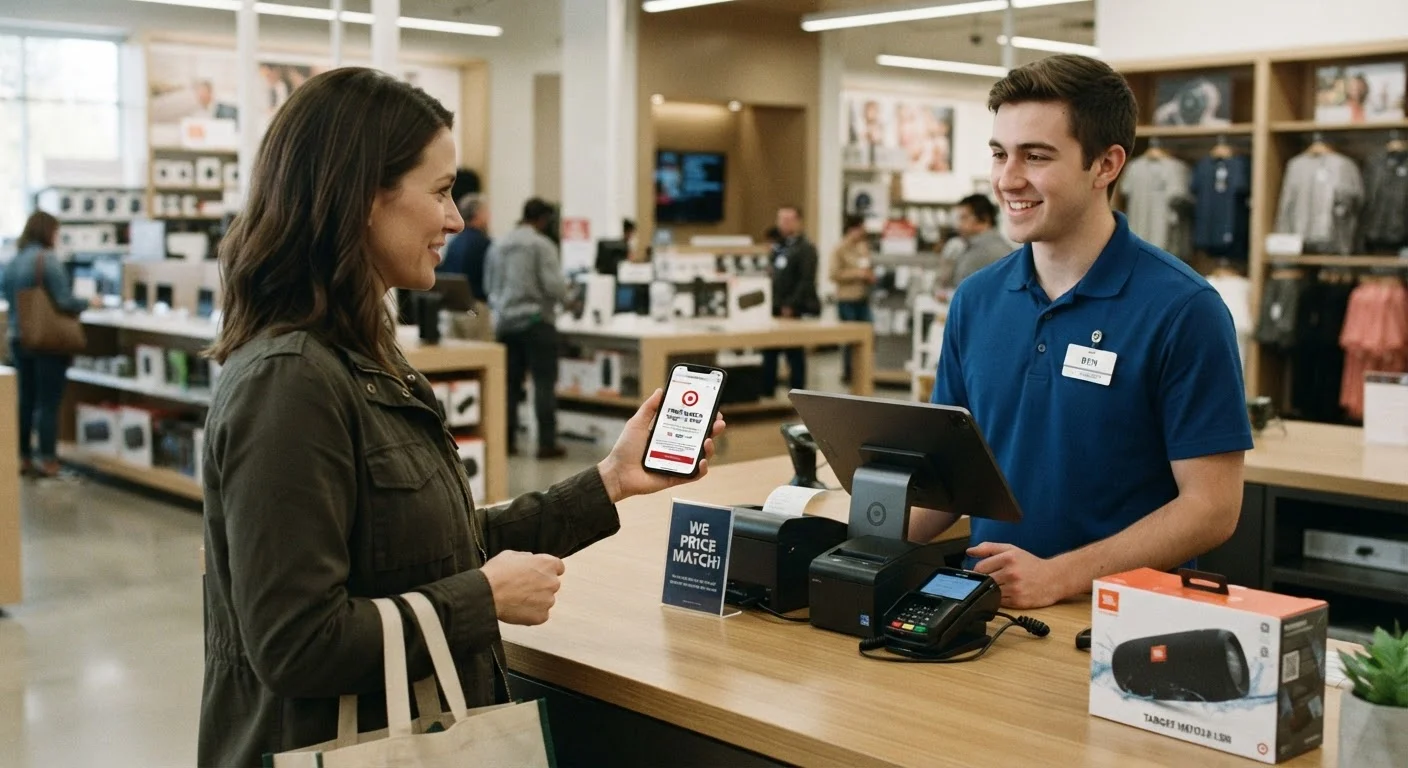
Photo credit: ArticlesHaven.net
In this article
Many retailers will match a competitor's advertised price, but the rules vary widely. Here's what to know before you ask.
Key Takeaways
- Price matching lets you pay a competitor's lower advertised price without leaving the store.
- Most policies exclude marketplace sellers, third-party listings, and limited-time flash sales.
- The item must typically be identical - same model number, color, and configuration.
- Some retailers require you to ask at the time of purchase; others allow post-purchase requests.
- Documentation matters: a screenshot or live URL of the competitor's price is usually required.
- Price matching and price adjustments are separate policies - don't confuse the two.
What Price Matching Actually Means at the Register
Price matching is straightforward in concept: you find the same item listed for less at a competing retailer, show that price to the store where you're shopping, and they agree to honor it. You walk out paying the lower price without making a second trip.
In practice, the mechanics vary by retailer. Some process the match right at the register; others route it through a customer service desk. Some stores have a dedicated form or app-based process; others handle it case by case. Knowing what a particular store's process looks like before you're standing at the checkout will save you time and frustration.
It's also worth separating price matching from related policies. Price adjustments work differently - they apply when a price drops after you've already bought something, not when you're comparing prices before purchase. The two are easy to confuse but involve different timelines and different rules.
~36%
US adults who have successfully used a price match
According to Consumer Reports survey data, roughly a third of shoppers who attempt a price match report success, though rates vary widely by retailer and category.
1-14 days
Typical post-purchase price match window
Where post-purchase matching is offered, most retailer policies set an eligibility window ranging from one day to two weeks after the original transaction.
Most
Policies that exclude marketplace sellers
Industry-wide, the majority of published price match policies explicitly carve out third-party marketplace listings, limiting matches to direct retailer pricing only.
Where Price Matching Is Commonly Available
Large national retailers - particularly in electronics, home improvement, and general merchandise - are the most likely to have formal price match programs. Warehouse clubs, department stores, and some grocery chains have also offered variations of these policies at various times, though specific availability changes and should always be verified directly with the retailer.
Specialty retailers are more unpredictable. A niche outdoor gear store or an independent appliance dealer may have informal wiggle room even without a published policy - something worth exploring if you're making a larger purchase. Negotiating directly is still a viable path in several retail categories where price matching isn't formally structured.
Online-only retailers have become more common price match participants, though their policies tend to be more restrictive. When shopping digitally, it's worth checking whether the retailer's app or desktop site offers different terms - the two channels sometimes diverge on pricing and promotions.
The Fine Print That Trips Most People Up
Price match policies tend to be more restrictive than shoppers expect. Here are the conditions that most commonly cause a match request to be denied:
- The item must be identical. Same brand, model number, color, and size. A similar or comparable product doesn't qualify - even if it performs the same way.
- The competitor must be approved. Most policies specify a list of eligible competitors. Third-party marketplace sellers - including independent merchants on major platforms - are typically excluded.
- The price must be currently in effect. Expired sales, flash deals, or prices that changed since you took the screenshot usually don't qualify. The item must also be in stock at the competitor.
- Certain price types are excluded. Clearance merchandise, bundle pricing, membership or loyalty pricing, and limited-time doorbusters are carved out in most policies.
- Timing matters. Some stores only match at point of sale; others allow a window of a few days post-purchase. Read the policy before assuming flexibility.
Before you commit to a purchase anywhere, doing a quick comparison is worthwhile. The comparison shopping process doesn't need to be time-consuming - a few minutes can reveal genuine price gaps worth acting on.
Screenshot Early, Not at the Register
If you spot a lower price while comparison shopping at home, capture a screenshot of the competitor's product page immediately - including the price, item name, and model number visible in frame. Prices can change between the time you find them and the time you're standing at a register. Having a timestamped screenshot gives you a stronger fallback if the page looks different when staff go to verify it.
How to Make a Price Match Request That Holds Up
The difference between a successful price match and a declined one often comes down to preparation. Before you approach the register or customer service desk, make sure you have:
- The competitor's live page showing the current price - a screenshot with a visible timestamp is useful backup if the page is slow to load
- Confirmation the item is actually in stock at the competitor at that price
- The exact model number of the item you're purchasing
Be direct and polite when asking. Most associates have clear guidelines to follow and aren't making judgment calls - they're checking your documentation against the store's policy criteria. If a request is denied at the register, ask whether it can be reviewed at customer service; sometimes escalation helps, sometimes it doesn't.
For larger purchases, it's worth doing this groundwork in advance rather than improvising at checkout. The practical steps for applying a price match successfully are worth reviewing if you're planning to use this approach on a significant item. And when comparing products across retailers, make sure the items you're comparing are actually equivalent - evaluating products fairly requires checking more than just the sticker price.
Price Matching Policies Change - Always Verify
Retailers update their price match policies frequently, and what was offered last year may no longer apply. Before building a shopping strategy around a specific retailer's policy, check the current terms directly on the retailer's website or ask a store associate. Published policy pages are the most reliable source - third-party summaries may be outdated.
Matching Price Doesn't Always Mean Matching Value
Two products listed at the same price aren't necessarily the same value. Warranty terms, return policies, and included accessories can differ between retailers even for the same model. Comparing on price alone can cause you to overlook meaningful differences in what you're actually getting.
Frequently Asked Questions

Author
Articles Haven Editorial Contributor
Articles Haven Editorial Team is the collective byline for our editorial team and contributor network. Articles published under this byline or an editorial pen name are researched, written, and reviewed according to our editorial standards for clarity, consistency, and independence before publication.
View all articles →