
Getting the Most Out of a Price Match Policy
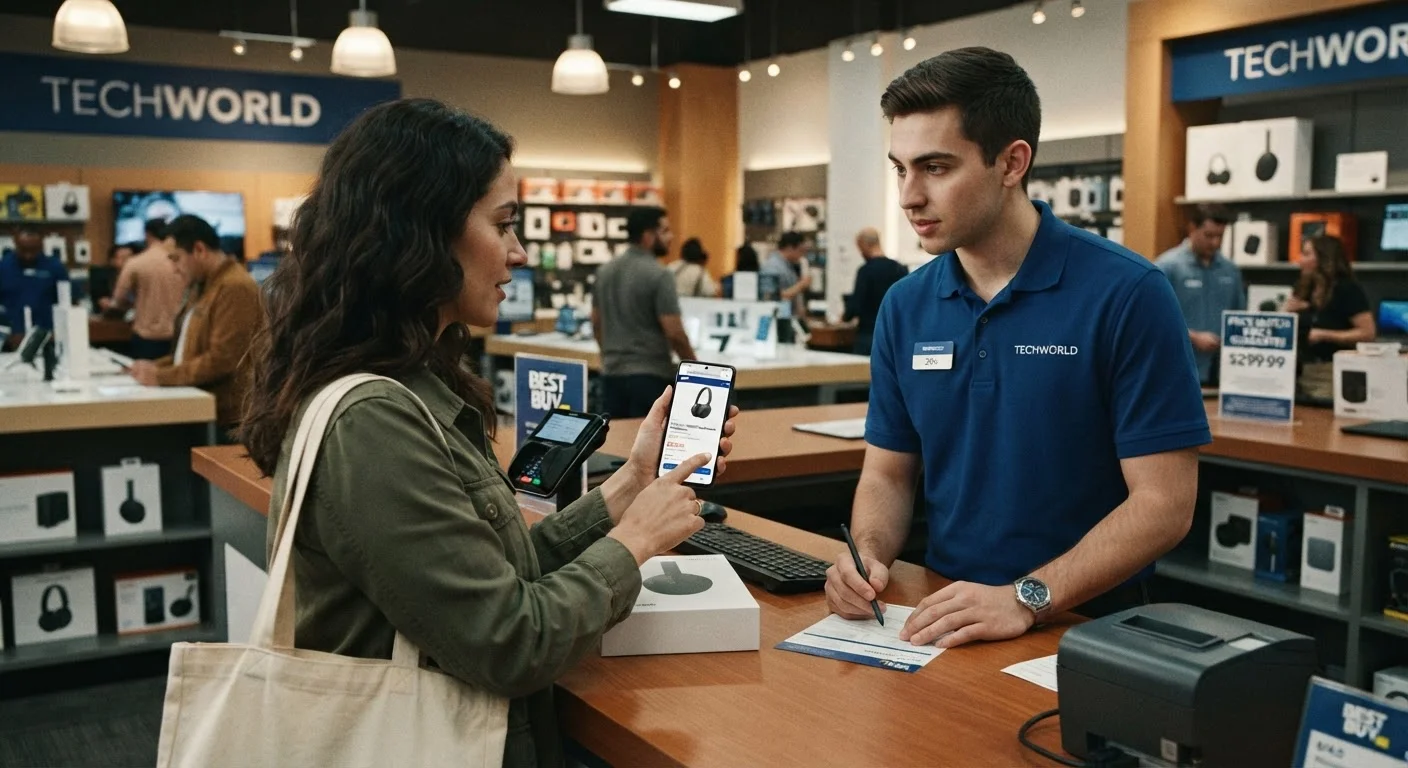
Photo credit: ArticlesHaven.net
In this article
Many retailers offer price matching, but eligibility rules are narrow. Learn how to document, request, and successfully apply a price match in practice.
Key Takeaways
- Price match policies vary widely - always read the specific terms before making a request.
- You must typically document the competitor price at the time of purchase, not after.
- Many policies exclude marketplace sellers, open-box listings, and limited-time flash sales.
- A polite, well-prepared request with clear evidence is far more likely to succeed.
- Price matching and price adjustments are different policies - know which one applies to your situation.
Why Price Match Policies Are Narrower Than They Seem
Retailers advertise price matching as a simple guarantee, but the fine print typically carves out a long list of exceptions. Flash sales, membership-only prices, clearance items, bundle deals, and prices from marketplace sellers are commonly excluded. Some retailers also limit which competitors qualify - a big-box electronics chain may match another national chain but not a regional or online-only retailer.
Understanding these limits upfront prevents wasted effort and avoids the frustration of a denied request at the register. The same careful reading applies to return policies: reading the fine print on return policies covers a similar set of overlooked exclusions that trip up shoppers at the point of return.
Price Match ≠ Price Adjustment
These are two distinct policies. A price match applies when a competitor is currently selling the same item for less - you request it before or at the time of purchase. A price adjustment applies when the same retailer drops its own price after you've already bought. Confusing the two is one of the most common reasons requests get denied. See how price adjustment policies work if that's the situation you're dealing with.
For a broader look at deals and savings strategies, the Deals & Savings hub offers additional resources on making the most of retailer policies.
What You Need Before Making a Request
A successful price match request comes down to preparation. Retailers train associates to verify claims quickly, and a vague or unverifiable request will almost always be declined.
What you will need
Retailer's Price Match Policy Page
Confirms eligibility rules, covered competitors, and any exclusions before you make your request.
Smartphone or Device with Internet Access
Used to pull up the live competitor listing and show it to the store associate or paste into a chat request.
Product Receipt or Order Confirmation
Required by some retailers to verify the original purchase price when requesting a post-sale match.
Screenshots Alone May Not Be Enough
Some retailers require the competitor price to be verifiable in real time - meaning a store associate may check it themselves on the spot. A screenshot can be disputed or considered outdated. Where possible, have the live listing ready to show on your phone or pull up immediately at the register.
How to Request a Price Match Step by Step
Follow these steps in order. Skipping ahead - especially the policy-reading step - is the most common reason shoppers walk away empty-handed.
Read the retailer's price match policy in full
Don't assume all price match policies work the same way. Before doing anything else, find the retailer's policy page and read the eligibility rules carefully. Key details to look for include: which competitor retailers qualify, whether online-only or third-party marketplace sellers are covered, whether the item must be identical (same model, color, and size), and any time window for submitting the request.
Confirm the competitor item is a true match
Find the competitor listing and verify it's the exact same product - matching model number, condition (new vs. open-box), and seller. Many policies exclude third-party or marketplace sellers even on major retail sites, so check who is actually fulfilling the order. Use the product comparison checklist to avoid comparing items that look alike but differ in important ways.
Document the competitor price clearly
Capture the competitor listing in a way that's easy to present. Open the live product page and confirm the price is publicly visible - not hidden behind a login, cart discount, or one-time promo code. Note the date and time, since prices can change. Having the URL ready to type into a chat or hand to an associate speeds up the process considerably.
Make the request through the right channel
In-store purchases: bring your documentation to the customer service desk or ask at checkout. Online purchases: use live chat or call customer service - avoid email if speed matters, since pricing can shift. State clearly that you're requesting a price match, name the competitor, and provide the product URL or ad. Keep the conversation factual and brief.
Review the adjustment before you leave or confirm
Make sure the corrected price appears on your receipt, cart, or order summary before completing the transaction. Ask for written confirmation if the match was granted verbally. Also check whether the price match affects any applied coupons or loyalty rewards - some retailers recalculate the order total in ways that reduce other discounts.
Do Your Comparison Research First
Before heading to the store or contacting customer service, use a systematic comparison routine to confirm you're looking at truly equivalent items. The comparison shopping guide walks through a reliable pre-purchase process. Retailers will check model numbers, condition, and seller type - so you should too before making your case.
What to Do If Your Request Is Denied
If a price match is refused, ask the associate to point to the specific policy language that disqualifies your request. This both clarifies the situation and occasionally prompts a second look. If you believe the denial was an error, escalate politely to a manager or contact customer service through a separate channel - phone reps and chat agents sometimes have different levels of discretion.
If the item doesn't qualify for a price match, consider whether the competitor's price is low enough to make buying there directly the smarter move. Factor in shipping costs, return policy differences, and any loyalty points you'd forfeit. The Product Comparisons hub can help you evaluate options side by side before committing.
This article is for general informational purposes only. Retailer policies change without notice - always verify current terms directly with the retailer before making a purchase decision.

Author
Articles Haven Editorial Contributor
Articles Haven Editorial Team is the collective byline for our editorial team and contributor network. Articles published under this byline or an editorial pen name are researched, written, and reviewed according to our editorial standards for clarity, consistency, and independence before publication.
View all articles →