
Cashback Apps vs. Store Loyalty Programs: Where Your Repeat Spending Pays Off More
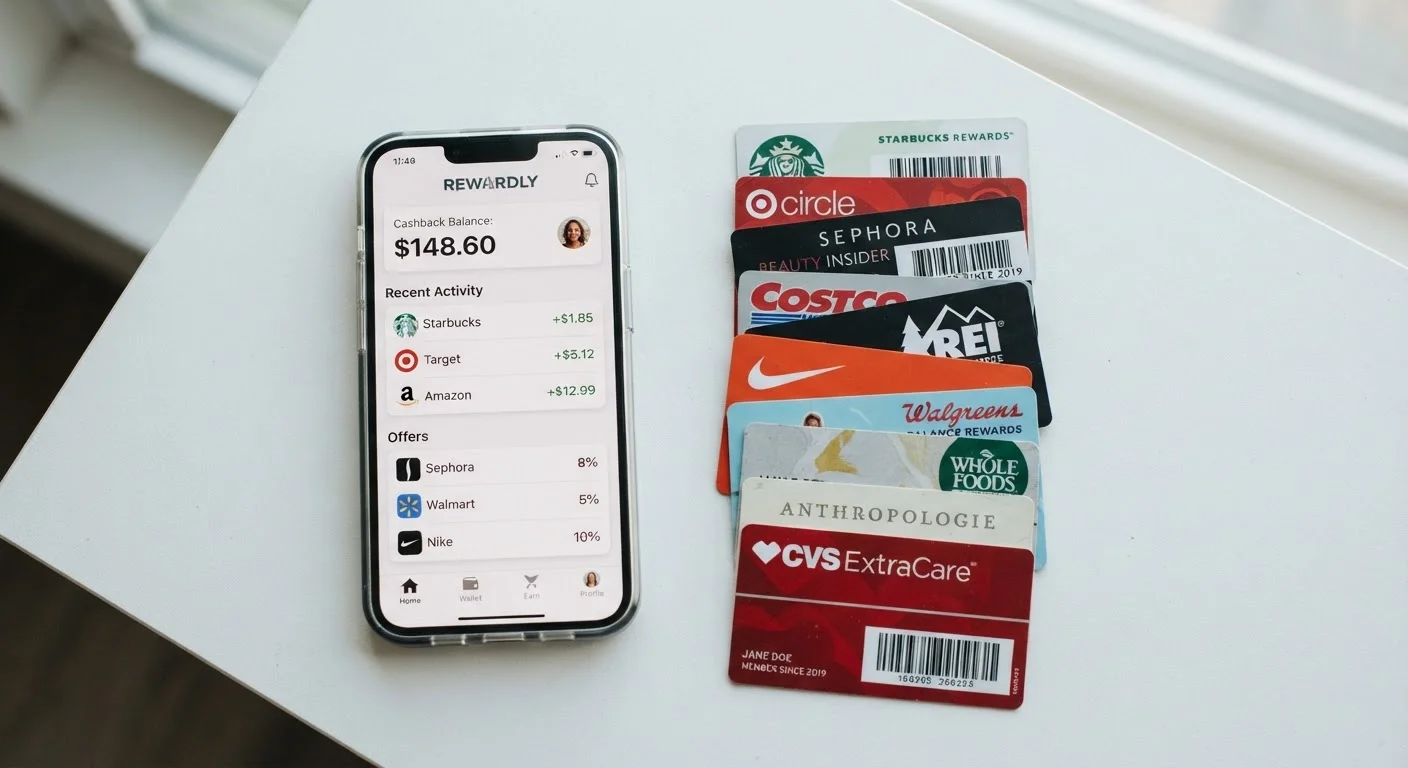
Photo credit: ArticlesHaven.net
In this article
Cashback apps and loyalty programs both reward repeat shoppers differently. Compare how each accumulates value over time.
Key Takeaways
- Cashback apps reward spending across multiple retailers; loyalty programs lock rewards to one brand or network.
- Cashback apps typically return a flat percentage of purchase value in redeemable cash or gift cards.
- Loyalty points vary widely in actual dollar value and often carry expiration dates or redemption restrictions.
- Store loyalty programs can offer deeper perks - early access, free shipping thresholds - for frequent shoppers.
- Combining both tools is possible at many retailers, potentially layering rewards on the same purchase.
- Neither option guarantees savings; both require consistent engagement to deliver meaningful returns.
How Each System Accumulates Value
Cashback apps - browser extensions or mobile platforms - track your purchases through affiliate or partner links and return a percentage of the transaction value to your account. That return is typically expressed in actual dollar amounts, which you can withdraw or redeem once you hit a minimum threshold. The reward rate varies by retailer and promotion, but the unit is always clear: money back.
Store loyalty programs work differently. Purchases earn points, stamps, or credits, and those accumulate toward future discounts or free items. The catch is that the dollar value of a point is set by the retailer - and it isn't always transparent. Loyalty points aren't all equal in value, and some expire silently if an account goes dormant. For a deeper look at the mechanics, see how loyalty programs actually work.
| Criterion | Cashback Apps | Store Loyalty Programs |
|---|---|---|
| Where you can earn | Multiple participating retailers | One brand or network only |
| Reward unit | Cash, PayPal, or gift cards | Points, stamps, or store credit |
| Reward transparency | Percentage clearly stated upfront | Point value varies by retailer |
| Expiration risk | Generally low; cash holds value | Points may expire with inactivity |
| Non-cash perks | Rarely offered | Often included (shipping, early access) |
| Best spending pattern | Distributed across many stores | Concentrated at one retailer |
| Setup complexity | Low - install app or extension | Low - sign up in-store or online |
| Stackable with the other? | Often yes, check retailer terms | Often yes, check program terms |
Flexibility vs. Depth: The Core Trade-Off
The central difference is breadth versus depth. Cashback apps tend to work across dozens or hundreds of participating retailers, which suits shoppers whose monthly spending is spread around. You're not penalized for switching stores - in fact, you can chase whichever retailer is offering a higher rate that week.
Loyalty programs reward the opposite behavior: concentration. The more you consolidate spending at one brand, the faster you move through earning tiers, and the better the perks get. Some programs include member-only pricing, early sale access, or free return shipping - benefits a cashback app cannot replicate. That said, this depth comes at the cost of flexibility; the value you've accumulated at one retailer can't be transferred or redeemed elsewhere.
~$80
Avg. annual cashback per active app user
Estimates from consumer finance research suggest active cashback app users earn roughly $50-$100 annually, depending on spending volume and category mix.
30%
Loyalty points that go unredeemed
Industry analyses have estimated that a significant share of earned loyalty points - sometimes cited near one-third - are never redeemed before expiring or being forfeited.
2-5%
Typical cashback rate range at participating retailers
Rates vary widely by platform and merchant; some promotional offers exceed this range while everyday rates often sit at the lower end.
It's also worth noting that channel choice affects your options. Some retailers price items or offer deals differently on mobile versus desktop - a factor that interacts with both rewards systems. See how shopping channels compare for savings for context.
Stacking Both: When You Can Use Each Together
Many shoppers don't realize that cashback apps and store loyalty programs frequently coexist on the same transaction. If a retailer's checkout process is web-based and the cashback app tracks through a browser extension or referral link, both reward mechanisms can trigger at once - the store credits your points, and the app credits your cashback separately.
This isn't guaranteed. Some retailers' terms restrict cashback stacking, and some promotions exclude combined use. Stacking rules vary by retailer type, and the same logic applies to combining cashback tools with loyalty accrual. The safest approach is to test with a small purchase and verify both rewards post before relying on the combination for larger spending.
Check Program Terms Before Assuming Stackability
Retailers and cashback platforms each set their own rules about whether both rewards can apply to a single transaction. Some loyalty programs explicitly prohibit cashback app tracking during checkout, especially when a coupon code is also applied. Always review the terms of both programs - and treat any combined earning as a bonus rather than a guarantee until you've confirmed it works for your specific retailer.
For shoppers interested in how these dynamics extend to travel, the same tension between flexibility and depth shows up in hotel loyalty program structures and airline frequent flyer programs.
Which Delivers More Value for Repeat Spenders?
For genuinely repeat spending at a single retailer, a well-structured loyalty program will often outperform a cashback app on a per-dollar basis - especially once higher earning tiers activate. The non-cash perks (shipping waivers, birthday bonuses, member pricing) add value that doesn't show up in a simple percentage comparison.
For shoppers whose spending is distributed - groceries here, electronics there, clothing somewhere else - cashback apps tend to generate more consistent returns because every transaction contributes to a single account, regardless of where it happened.
The honest answer for most consumers is that the two tools serve different spending habits. Understanding how cashback actually works is a useful starting point before committing time to either system. Neither approach is passive: both require setup, ongoing attention, and realistic expectations about how much reward repeat spending can realistically generate.

Author
Articles Haven Editorial Contributor
Articles Haven Editorial Team is the collective byline for our editorial team and contributor network. Articles published under this byline or an editorial pen name are researched, written, and reviewed according to our editorial standards for clarity, consistency, and independence before publication.
View all articles →