
How Loyalty Programs Actually Work — and Where They Fall Short
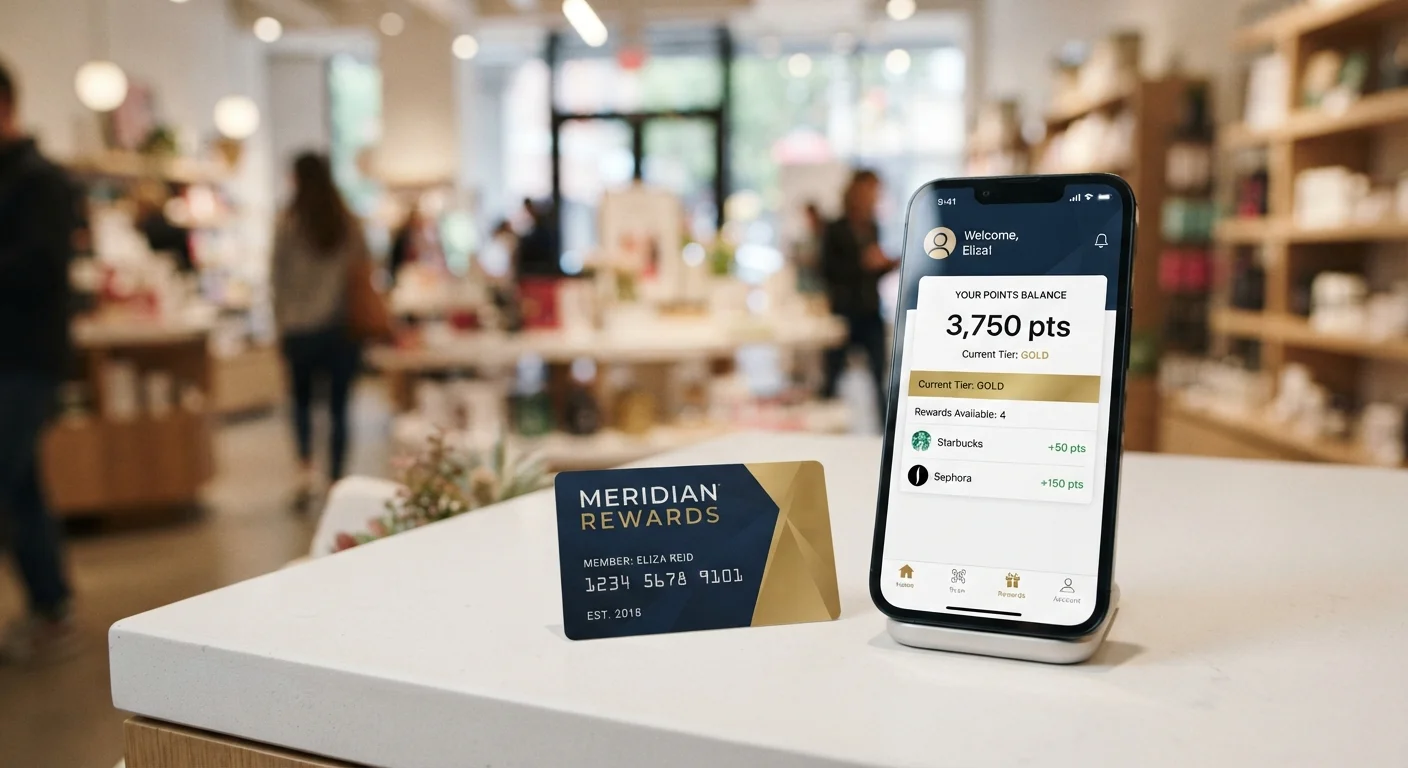
Photo credit: ArticlesHaven.net
In this article
Points, tiers, and rewards programs are designed to build spending habits. Understand the mechanics before deciding whether a program benefits you.
Key Takeaways
- Loyalty programs are designed primarily to change your spending behavior, not just reward it.
- Points often expire, devalue, or come with redemption restrictions that reduce their real-world value.
- Tiered systems reward high spenders disproportionately - casual users often see minimal benefit.
- Your personal data is a significant part of what businesses gain from loyalty programs.
- A program only adds value if it aligns with where you already spend money.
The Basic Mechanics: How Points and Rewards Are Structured
At their core, loyalty programs follow a straightforward formula: spend money, accumulate currency (points, miles, or cash-back credits), redeem that currency for rewards. But the details inside that formula vary enormously.
Most retail programs assign a fixed earn rate - say, one point per dollar spent - and publish a redemption table showing what point totals unlock. Airline and hotel programs typically use a more complex structure where the value of a point shifts based on what you redeem it for. A point worth one cent toward a statement credit might be worth two cents toward a specific flight, or half a cent toward merchandise.
Tiered programs add another layer. Reaching a higher tier - usually by hitting a spending or activity threshold within a calendar year - unlocks better earn rates, priority access, or bonus perks. The structure is intentional: the more you commit, the more invested you become in maintaining your status.
~$48B
Estimated US loyalty program points liability
Industry analysts have estimated that outstanding unredeemed loyalty points across US programs represent tens of billions of dollars in liability - much of which is structured to expire before redemption.
3.3B
US loyalty program memberships
According to Loyalty One's Bond Brand Loyalty research, US consumers collectively hold billions of loyalty memberships, though active participation rates are significantly lower than enrollment figures.
54%
Members who abandon programs due to slow reward accrual
Bond Brand Loyalty's research has found that a majority of loyalty program members disengage when the time required to earn meaningful rewards feels too long relative to the effort involved.
For a deeper look at how airline-specific programs stack up, see how mileage accrual and elite qualification work across major frequent flyer structures.
Where Loyalty Programs Fall Short
The friction in loyalty programs tends to cluster in a few predictable places.
Points Devaluation
Businesses control the redemption value of their own points currency. A program can quietly reduce how much a point is worth - raising the number of points required for a free night or a discount - without your account balance changing. You still have the same number of points; they just buy less.
Expiration and Inactivity Rules
Many programs require account activity within a set window to keep points alive. A single year of not shopping at a particular store can wipe out years of accumulated balance. These rules are typically buried in the terms and conditions.
Redemption Restrictions
Blackout dates, product exclusions, minimum redemption thresholds, and category limits can make it genuinely difficult to use the points you've earned. A program that looks generous on paper may have a narrow redemption window in practice.
Do the Math Before Chasing a Tier
Before spending extra to hit a loyalty tier threshold, calculate what the tier benefits are actually worth in dollars. If reaching Gold status requires an extra $500 in annual spending but only delivers $30 in incremental perks, the math doesn't support the behavior change. Use your real spending patterns, not aspirational ones.
It's also worth comparing how loyalty programs differ from structured membership models. Shopping memberships and club stores operate on a different value premise that may suit some shoppers better.
The Data Trade-Off You're Making
Joining a loyalty program isn't just a transaction about points - it's an exchange of purchase data. Retailers use loyalty program data to build detailed pictures of shopping behavior: what you buy, how often, what price points trigger a purchase, and how you respond to promotions.
Your Purchase History Has Commercial Value
When you enroll in a loyalty program, you typically agree to let the company track and analyze your purchase behavior. This data is used for targeted marketing and may be shared with third-party partners under the program's privacy policy. Reading the privacy terms before enrolling - particularly for programs you plan to use frequently - is a reasonable precaution.
This data is commercially valuable. Many programs share aggregated or anonymized purchase data with marketing partners, and some sell insights derived from member behavior. Understanding this trade-off doesn't mean loyalty programs are inherently problematic - but it does mean the exchange is two-directional.
For context, employer-sponsored programs also involve a data and behavior exchange worth understanding. The structure of employer wellness programs illustrates how incentive-based programs in other verticals manage similar trade-offs.
How to Evaluate Whether a Program Is Worth Your Participation
The simplest filter: does this program reward spending you were already going to do, or does it require changing your behavior to extract value?
A program at a store where you already shop regularly, with no annual fee and straightforward redemption rules, carries low risk and potential upside. A program with an annual fee, complex tier requirements, or a redemption catalog that doesn't match your actual needs requires more scrutiny.
Useful questions to ask before joining:
- What is the realistic dollar value of points I'd earn at my actual spending level?
- Do points expire, and under what conditions?
- Are the rewards I want actually available for redemption, or are they frequently blacked out?
- What data am I sharing, and with whom?
For shoppers evaluating broader savings strategies, the deals and savings hub covers practical approaches that don't depend on loyalty program participation.
Frequently Asked Questions

Author
Articles Haven Editorial Contributor
Articles Haven Editorial Team is the collective byline for our editorial team and contributor network. Articles published under this byline or an editorial pen name are researched, written, and reviewed according to our editorial standards for clarity, consistency, and independence before publication.
View all articles →