
Unlimited Data Plans: What the Fine Print Actually Means
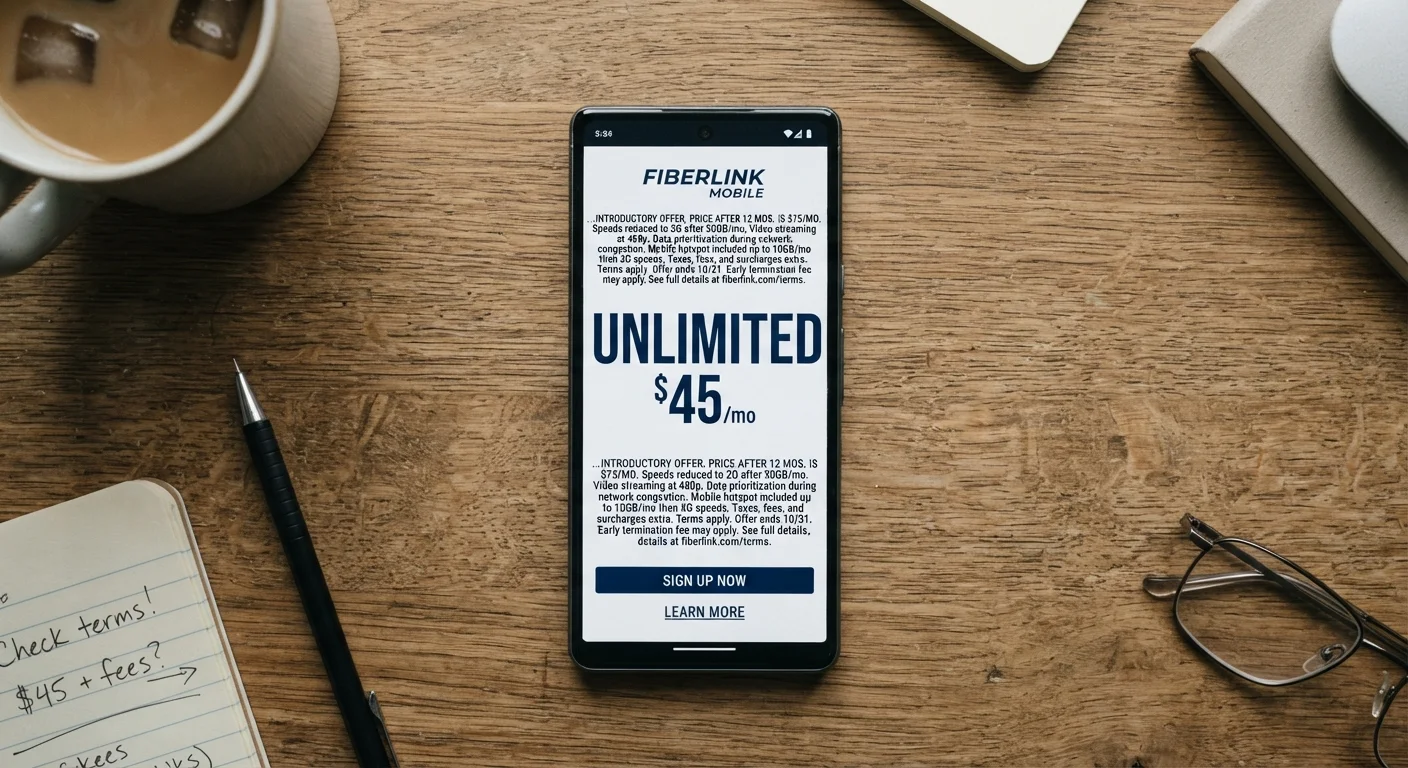
Photo credit: ArticlesHaven.net
In this article
Carriers advertise unlimited data, but deprioritization and throttling can limit speeds. Here's what to look for before signing up.
Key Takeaways
- Unlimited plans never truly eliminate all restrictions - speed limits and slowdowns are common.
- Deprioritization can reduce speeds during network congestion once you exceed a data threshold.
- Hotspot data included in unlimited plans is usually capped at reduced speeds after a set amount.
- Video streaming quality is often throttled by default on lower-tier unlimited plans.
- Reading the plan's full terms - not just the advertised headline - is the only reliable way to compare.
Why 'Unlimited' Needs a Definition
The word "unlimited" sells wireless plans, but it rarely describes them accurately. Every major carrier in the US uses the term, and nearly every plan that carries it includes conditions that can substantially reduce real-world speeds. Understanding those conditions - before you sign up - is the difference between a plan that works for you and one that consistently frustrates you.
The core issue is that unlimited plans are not all built the same. Carriers offer multiple tiers under the "unlimited" umbrella, with the cheapest options carrying the most restrictions. Marketers lead with the headline; the actual performance details live in the terms of service.
For a broader look at how marketing language shapes consumer expectations, common internet plan misconceptions are worth reviewing before comparing any plan.
3-4
Distinct unlimited plan tiers offered by major US carriers
Most national US carriers structure unlimited offerings across multiple price points, each with different deprioritization thresholds and hotspot allowances.
600 Kbps
Typical hotspot speed after high-speed cap is reached
Many carrier plan disclosures specify hotspot speeds drop to around 600Kbps once the high-speed hotspot allowance is exhausted - adequate for basic messaging but not streaming.
480p
Default video streaming quality on many base unlimited plans
Entry-level unlimited plans from several major US carriers cap video streaming at standard definition by default, regardless of network congestion.
The Three Speed Restrictions Hidden in Most Plans
Most unlimited plans use at least one - and often all three - of the following speed management mechanisms. Each is disclosed in the plan's terms, but rarely explained in plain language during the sales process.
1. Deprioritization After a Data Threshold
This is the most common limitation. Once you use a set amount of data in a billing cycle - often ranging from 25GB to 100GB depending on the plan tier - your traffic gets moved to the back of the line during network congestion. On a quiet network, you may not notice anything. In a crowded stadium or a dense urban area at rush hour, speeds can drop to barely functional levels. This is not a guaranteed slowdown - it's a conditional one, triggered by both your usage and the network load around you.
Deprioritization differs from throttling in an important way: throttling applies a fixed speed cap regardless of network conditions, while deprioritization only affects you when the network is busy.
2. Hotspot Data Caps
Nearly all unlimited plans include mobile hotspot access, but the high-speed hotspot allowance is almost always capped separately from your phone data. Once that threshold is hit, hotspot speeds typically drop to 600Kbps or lower - enough for basic messaging but not for video calls or smooth browsing. How hotspot tiers work across wireless plans is worth understanding if you rely on your phone as a backup internet source.
3. Video Streaming Quality Caps
Many entry-level unlimited plans default to streaming video at 480p or 720p resolution. This is a deliberate, always-on cap - not dependent on congestion. Premium plan tiers typically remove or raise this cap, allowing HD or higher quality. If you stream a lot of video over cellular, this distinction matters more than most fine-print items.
Read the Terms Document, Not Just the Plan Page
Carrier plan pages are designed to highlight advantages. For accurate comparisons, look for the linked "plan details" or "terms and conditions" document - it will specify the exact deprioritization threshold in gigabytes, hotspot allowance, and any streaming quality caps. If a carrier doesn't make this document easy to find, that itself is worth noting.
How to Actually Compare Unlimited Plans
Comparing plans on price alone will almost always lead to a bad fit. A more reliable approach is to compare across four specific dimensions:
- Premium data threshold: How many gigabytes at full speed before deprioritization kicks in?
- Hotspot allowance: How many gigabytes of high-speed hotspot data are included, and what speed do you get after?
- Video streaming quality: Is HD video included, or is it capped at SD by default?
- International and roaming terms: If you travel, does the plan include data abroad, and at what speeds?
The plan's full terms - usually linked from the carrier's plan comparison page as a PDF or a separate legal page - will answer these questions. Marketing pages often highlight the best-case scenario. The terms document will show you the actual conditions.
It's also worth noting that the same issues appear in bundled services. What unlimited means in a telecom bundle follows similar patterns, so the same reading habits apply.
Plan Terms Change - Check Before You Commit
Wireless carriers update plan structures, thresholds, and pricing periodically. The specifics discussed here reflect general industry patterns, but exact numbers vary by carrier and can change. Always verify current plan terms directly on the carrier's website or by speaking with a representative before signing up or switching.
Matching Your Usage to the Right Tier
Not every consumer needs the most expensive unlimited tier. A light user who streams mostly on home Wi-Fi and rarely uses a hotspot may find a base plan perfectly adequate. A frequent traveler who relies on their phone for navigation, video calls, and hotspot internet in hotels will likely hit deprioritization thresholds regularly and experience real performance degradation on a base plan.
A practical starting point: track your data usage for one or two billing cycles using your phone's built-in data monitor or your carrier's app. Pay attention to how much of that usage happens over cellular versus Wi-Fi. Then compare that number against the premium data thresholds on the plans you're considering.
Common wireless plan myths - like assuming more lines always means more savings, or that unlimited guarantees consistent speeds - are worth dispelling before you commit to a plan.
This article provides general information about wireless plan terms and marketing practices. Specific plan details, thresholds, and policies vary by carrier and change over time. Always review current plan terms directly with your carrier before signing up.
Frequently Asked Questions

Author
Articles Haven Editorial Contributor
Articles Haven Editorial Team is the collective byline for our editorial team and contributor network. Articles published under this byline or an editorial pen name are researched, written, and reviewed according to our editorial standards for clarity, consistency, and independence before publication.
View all articles →