
What Happens to Your Bundle Price When the Promotional Period Ends
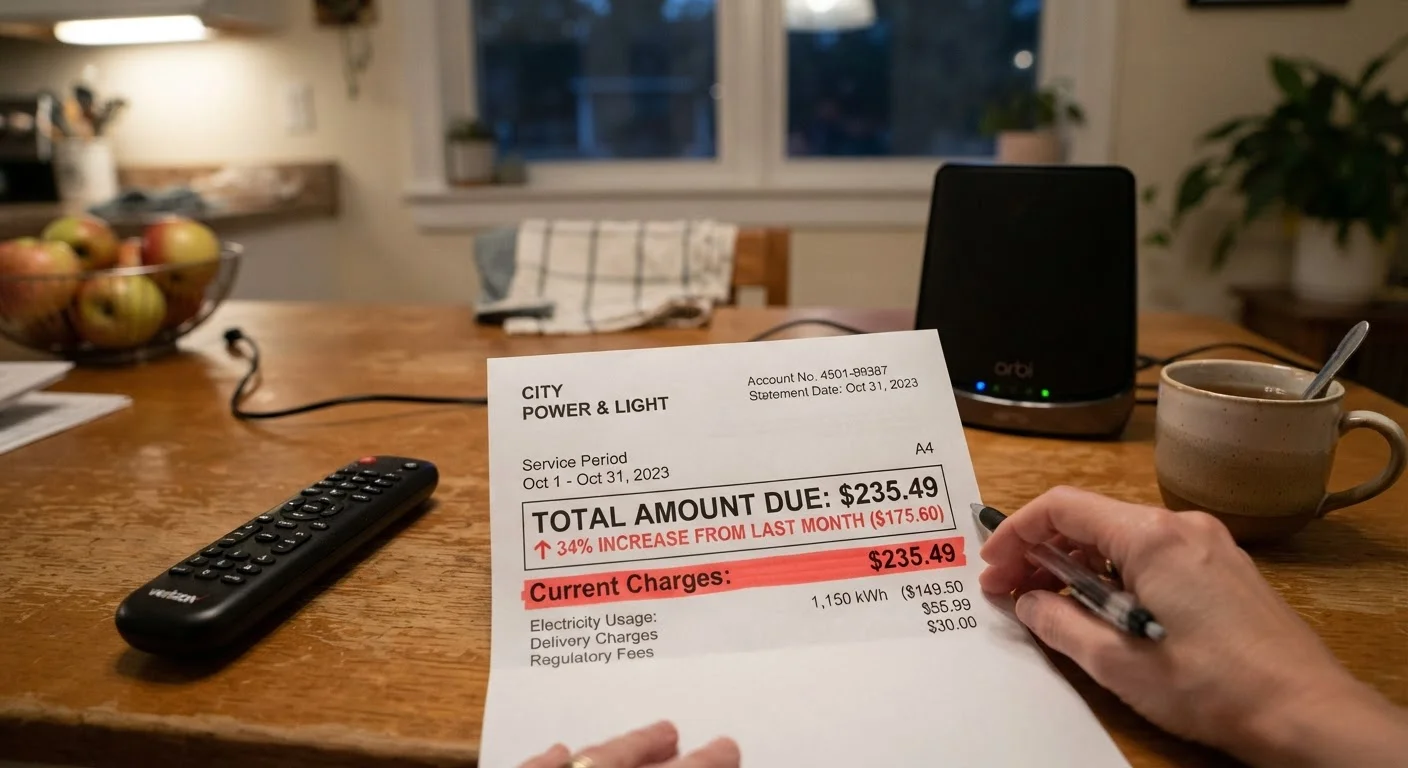
Photo credit: ArticlesHaven.net
In this article
Many households are surprised by bill increases after the first year. Here's what causes post-promo rate hikes and how to plan around them.
Key Takeaways
- Bundle promotional pricing typically lasts 12 to 24 months before resetting to a higher standard rate.
- The rate jump after a promo ends is contractually standard - not an error or surprise fee.
- Additional charges like equipment rentals and broadcast fees often increase independently of the promo clock.
- Consumers can often negotiate or switch plans before the promo expires to manage cost increases.
- Reading the contract's rate-change terms before signing is the most reliable way to avoid billing shock.
Why the Price Goes Up: The Mechanics of Promo Expiration
Most telecom bundles are sold with promotional pricing - a reduced rate offered for a defined period, typically 12 or 24 months. When that period ends, the provider automatically switches your account to their standard rate. This isn't a penalty or a mistake; it's a built-in feature of how bundle contracts are structured.
Understanding this requires a look at how providers set up their pricing in the first place. As explained in how telecom providers structure bundle pricing, promotional rates are designed to lower the entry cost for new customers, with the expectation that revenue increases once the discount window closes.
The result: your bill on month 13 (or month 25) can look significantly different from what you've been paying. This isn't a hidden fee - it's the standard rate that was disclosed in your agreement. The problem is that many consumers either didn't notice it at signing or didn't track when it would kick in.
$20-$60+
Typical monthly increase after promo expires
Based on commonly reported ranges for bundled internet, TV, and phone packages across major US providers; actual amounts vary by plan and provider.
12-24 months
Standard promotional period length
Most major US telecom bundle promotions are structured around 12- or 24-month introductory windows before standard rates apply.
1 in 3
Consumers unaware of promo expiration terms
Consumer advocacy surveys have consistently found that a significant share of bundle subscribers are unaware of the standard rate that applies once their promotional period ends.
What the Contract Actually Says
Telecom contracts typically include a rate table or pricing disclosure that lists both the promotional rate and the standard rate that follows. These disclosures can appear in the fine print of a welcome letter, in an online account portal, or in the original order confirmation email.
The language matters. Terms like 'introductory rate,' 'promotional pricing,' or 'limited-time offer' all signal that a different price applies later. What 'introductory rate' really means on a bundle contract breaks down how these terms are used and why the distinction is important before you sign.
Key things to look for in any bundle contract:
- The exact end date of the promotional period
- The standard rate that takes effect afterward
- Any early termination fees and when they apply
- Whether additional fees (equipment, broadcast, taxes) are separate from the stated rate
Contract Terms Vary Widely by Provider
There's no industry-wide standard for how post-promotional rates are disclosed or how much they can increase. One provider may include a clear rate table in the welcome email; another may bury it in a lengthy service agreement PDF. Always request a written breakdown of both the promotional and standard rates before agreeing to any bundle. If the provider cannot or will not provide this clearly, treat that as a meaningful signal.
Other Charges That Can Pile On After the Promo
The base rate increase is just one part of the picture. Bundle bills often carry additional line items - equipment rental fees, broadcast TV surcharges, regional sports fees, and government-related taxes - that aren't frozen during the promotional period. These can increase at any point, independent of when your promo expires.
For a full breakdown of what drives ongoing bill creep, why your bundle bill keeps climbing even without a plan change covers the surcharges that accumulate over time regardless of your plan tier. Separately, the real cost of a bundle beyond the advertised monthly rate addresses how installation costs, rental fees, and taxes factor into your true monthly spend.
When the promo rate ends and these fees have also risen, the combined effect on your monthly bill can be substantially higher than the original quote suggested.
How to Plan Around the Rate Reset
The most effective approach is to treat your promo end date like a known financial event - mark it on a calendar and prepare 30 to 60 days in advance. That window gives you time to negotiate, compare alternatives, or switch without scrambling under time pressure.
Options worth evaluating before the rate resets:
- Call the provider's retention line - ask directly what options exist to extend promotional pricing or lock in a lower rate. Providers often have unadvertised offers available for customers who proactively engage.
- Compare competing plans - the landscape of available bundles in your area may have changed since you signed. New-customer promotions from a competing provider might offer a reset opportunity, though switching carries its own costs and effort.
- Downgrade your plan - if the higher rate isn't sustainable, reviewing whether you actually use all services in your current bundle can reveal cost savings.
For broader context on how this cycle works across internet plans specifically, promotional pricing vs. regular rates after your intro period ends offers a useful parallel view.
Set a Calendar Reminder at Signup
The moment you sign up for a bundle, note the promo end date in a calendar app with a 45-day advance reminder. This gives you a clear window to compare alternatives or call your provider before the rate resets - rather than reacting to a higher bill after it's already arrived. Most billing surprises happen simply because the date wasn't tracked.
This article provides general consumer information about telecom billing practices and is not a substitute for reading your specific service agreement or consulting your provider about your account terms.
Frequently Asked Questions

Author
Articles Haven Editorial Contributor
Articles Haven Editorial Team is the collective byline for our editorial team and contributor network. Articles published under this byline or an editorial pen name are researched, written, and reviewed according to our editorial standards for clarity, consistency, and independence before publication.
View all articles →