
Bundling Internet With a Wireless Phone Plan: How It Differs From Traditional Bundles
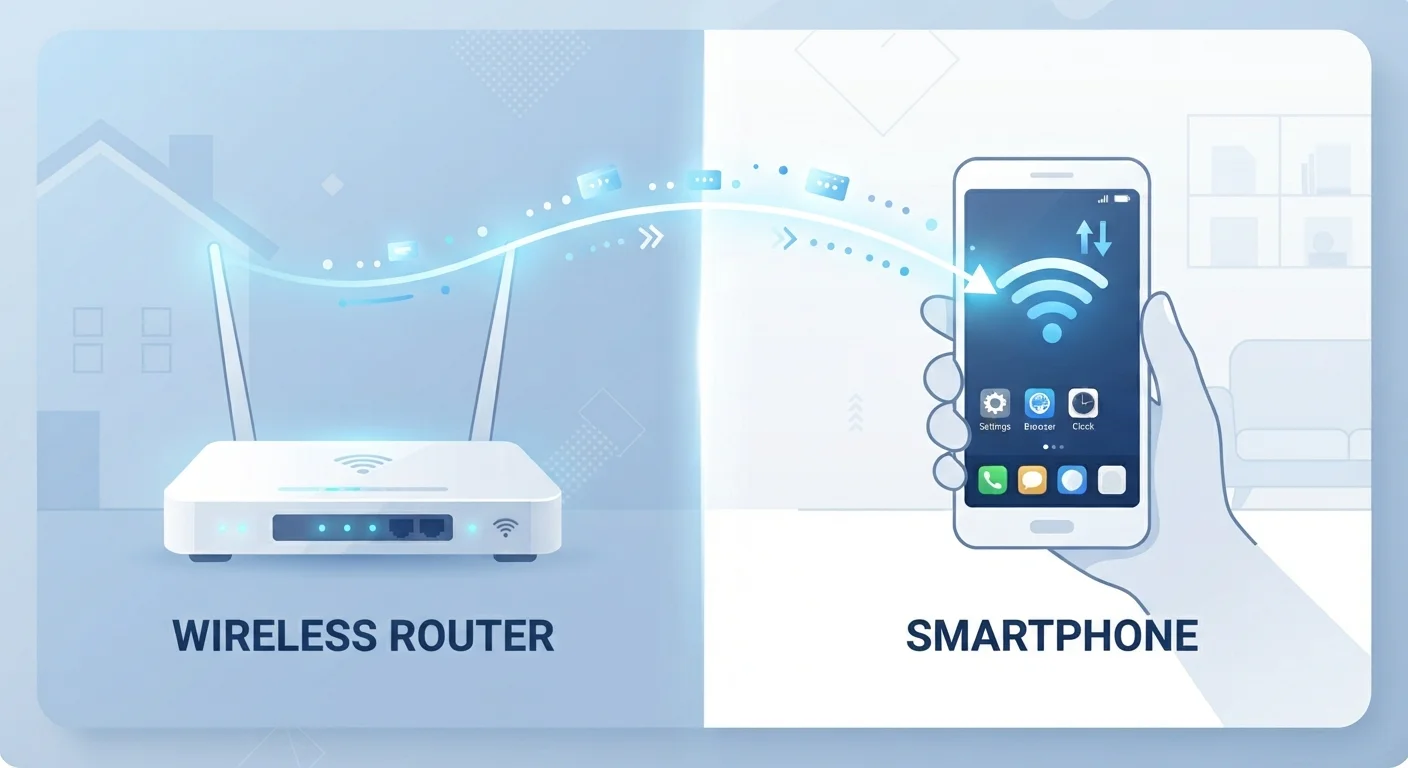
Photo credit: ArticlesHaven.net
In this article
Some providers now bundle home internet with mobile plans. See how these newer combos compare to classic triple-play packages.
Key Takeaways
- Internet + wireless bundles replace TV and landline with mobile phone lines as the bundled service.
- Traditional triple-play bundles tie together home internet, cable TV, and a landline - a model many households no longer need.
- Discounts in newer bundles usually apply per mobile line added, rather than as a flat package rate.
- Switching costs and contract terms vary - check early termination fees before committing.
- Not all providers offer both home internet and wireless, limiting where these bundles are available.
What Traditional Bundles Looked Like - and Why They're Fading
For most of the 2000s and early 2010s, the dominant telecom bundle was the triple-play: home internet, cable TV, and a landline phone sold together by a single provider at a bundled rate. The appeal was straightforward - one bill, one provider, and a lower combined price than buying each service separately.
That model worked well when cable TV was the primary way households watched content and landline phones still carried significant call volume. Both of those conditions have shifted considerably. Cord-cutting has moved millions of households to streaming services, and landline usage has declined sharply as mobile phones handle virtually all personal calls.
If you want a fuller picture of how the classic bundle structure worked, this overview of bundled internet, TV, and phone services explains the mechanics and provider incentives clearly. And for a direct comparison of two-service versus three-service packages, see the breakdown of double play vs. triple play bundles.
Triple-Play Isn't Gone - But It's Less Common
Some cable and fiber providers still offer traditional internet, TV, and landline bundles, particularly in markets where linear TV remains popular or where landline service has practical value (such as for medical alert systems). If your household still uses cable TV regularly, a triple-play may still be worth pricing out. See whether going internet-only versus keeping a full bundle makes sense for your situation.
How Internet + Wireless Bundles Work Differently
The newer generation of bundles pairs home broadband with mobile phone lines rather than TV or landline. Providers that operate both a fixed network (cable, fiber, or fixed wireless) and a mobile network can offer discounts when customers subscribe to both.
Structurally, a few things set these apart from triple-play packages:
- Discount model: Savings are usually applied per mobile line added, not as a flat bundle rate. A household with four lines will often see a larger monthly discount than one with a single line.
- No TV component: Streaming services have largely replaced linear TV in these packages - though some providers offer optional streaming add-ons.
- No landline: Home phone service is simply absent unless added separately. For households that still want one, it's worth reading about whether landline phones in bundles are worth including.
- Shared account management: Both services typically appear on one bill and may share an app or online account portal.
~70%
US adults who have cut or reduced cable TV
Pew Research data has consistently shown growing cord-cutting rates in the US, reflecting how the market has shifted away from cable-TV-dependent bundle structures.
1 bill
Monthly statements with a converged bundle
Fixed-mobile bundles consolidate home broadband and wireless service into a single monthly account, reducing administrative friction for multi-line households.
2-4
Lines typically needed for meaningful discounts
Per-line bundle discounts tend to compound most noticeably for households with at least two to four mobile lines, according to general industry pricing patterns.
Key Trade-Offs to Evaluate Before Bundling
Combining services under one provider simplifies billing, but it also concentrates your dependency. If service quality slips - on either the home internet or mobile side - you're tied to the same provider for both. That's a real consideration worth weighing.
Pricing transparency is another variable. Promotional rates are common at sign-up, and the long-term cost after any introductory period may look different from the advertised rate. The article on when bundled plans save money and when they don't walks through a practical framework for evaluating whether a bundle actually works in your favor.
Flexibility is also narrower. Since only providers with both home and mobile networks can offer these bundles, you're working from a smaller pool of options compared to mixing and matching standalone internet and wireless plans from different providers.
Price Both Paths Before You Commit
Before bundling, calculate what you'd pay for standalone home internet and standalone wireless separately - using real current rates, not promotional ones. Then compare that total to the bundle price, factoring in any contract length or early termination fees. This one step prevents the most common bundling regret: assuming you're saving money without actually running the numbers.
Renters should also be aware of building-specific constraints - bundling services as a renter comes with its own set of complications that don't apply to homeowners.
Who This Type of Bundle Tends to Suit Best
Internet and wireless bundles are generally a stronger fit for households that already rely on streaming for entertainment, have multiple mobile lines to discount, and want simplified billing. A family already paying for several individual wireless lines may find the per-line savings meaningful when rolled into a home internet account.
They tend to be a weaker fit for anyone in an area where only one provider operates both networks (leaving no real competitive check on pricing), households under short-term leases with uncertain provider availability, or anyone whose mobile coverage needs aren't well served by the available bundling provider's network.
For context on how wireless and home internet can work together technically, the explainer on how Wi-Fi calling works and when it's worth using is a useful companion read - especially for households trying to assess coverage at home.
“Convergence - combining fixed and mobile services - is reshaping how consumers think about connectivity, but the value equation depends heavily on the number of lines and how well the provider's mobile network performs in a given area.”
— Telecommunications industry analysts, General consensus view in fixed-mobile convergence research
Frequently Asked Questions

Author
Articles Haven Editorial Contributor
Articles Haven Editorial Team is the collective byline for our editorial team and contributor network. Articles published under this byline or an editorial pen name are researched, written, and reviewed according to our editorial standards for clarity, consistency, and independence before publication.
View all articles →