
Why Actual Cash Value and Replacement Cost Are Not the Same
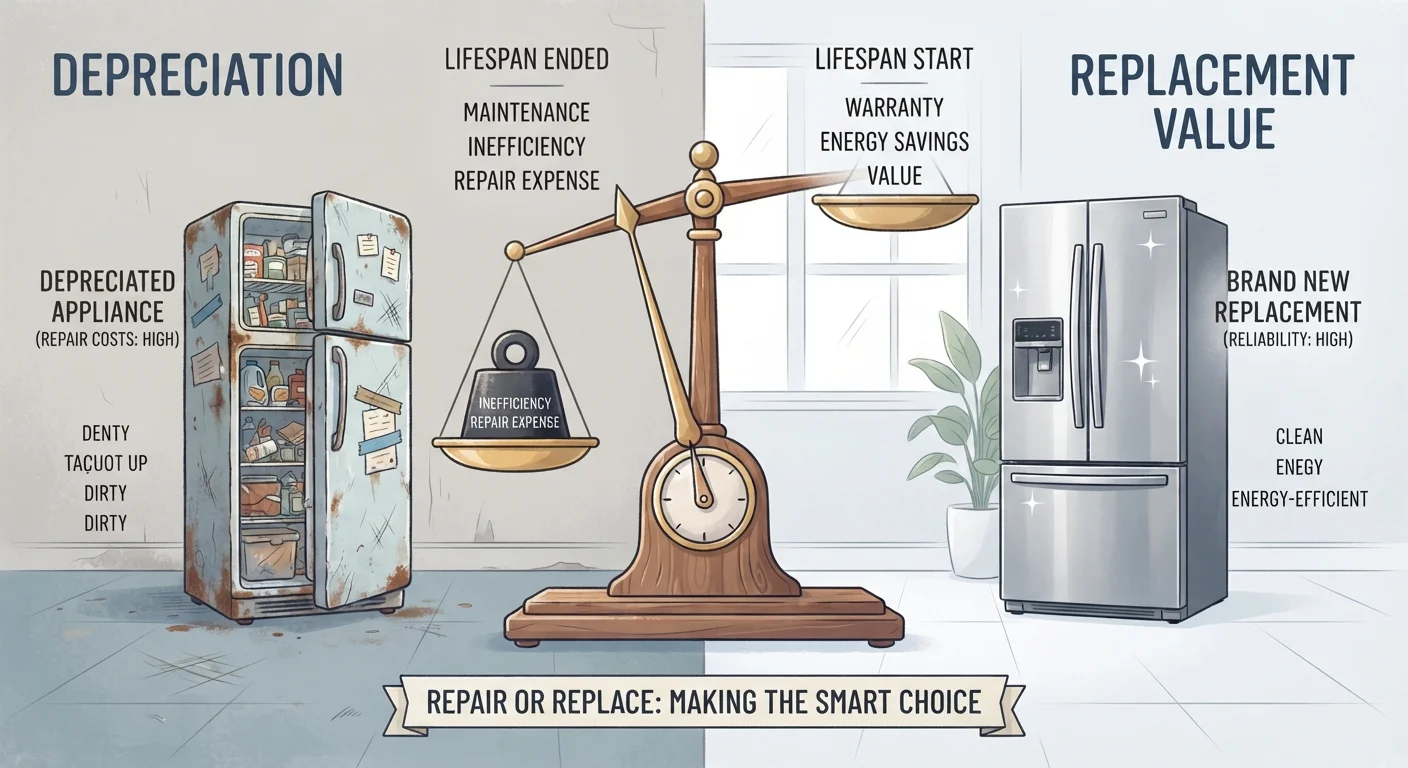
Photo credit: ArticlesHaven.net
In this article
These two valuation methods lead to very different claim payouts. Understand how depreciation affects what your insurer will pay.
Key Takeaways
- ACV pays what your property is worth today, after depreciation - not what it costs to replace it.
- Replacement cost coverage pays the amount needed to buy a new equivalent item, regardless of age or wear.
- The gap between ACV and replacement cost can be thousands of dollars on older property.
- RCV policies typically carry higher premiums than ACV policies for the same coverage limit.
- Understanding which method your policy uses is critical before a claim - not after.
What Each Term Actually Means
Actual Cash Value (ACV) is what your property is worth at the moment of loss - its fair market value accounting for age, condition, and depreciation. If your five-year-old roof is damaged, ACV pays what a five-year-old roof in that condition is worth, not what it costs to put on a new one.
Replacement Cost Value (RCV) is the amount it would take to replace the damaged or destroyed property with a new equivalent item at today's prices. No depreciation is deducted. Using the same roof example, RCV would cover the full cost of installing a new comparable roof.
Both methods are legitimate, widely used approaches to settling insurance claims. The critical difference is that one factors in wear and age before writing the check, and the other does not. For more context on how these two methods stack up across different claim scenarios, see this coverage comparison.
ACV Is Not the Same as Market Value
Insurers calculate ACV using their own depreciation schedules, which may differ from what you'd get selling the item privately or what a retailer lists as used value. ACV is a formula-based estimate, not a market appraisal. If you believe an ACV calculation understates your loss, most policies provide a dispute or appraisal process - check your policy's claims section for details.
How Depreciation Creates the Gap
Depreciation is the engine driving the difference between ACV and RCV. Insurers calculate ACV by estimating an item's useful lifespan and reducing its value proportionally based on how much of that lifespan has been used. A television with a 10-year expected lifespan that's five years old might be valued at roughly 50% of its original purchase price - regardless of what a replacement TV costs today.
This depreciation calculation isn't a penalty; it reflects economic reality. A used item genuinely isn't worth the same as a new one. But when a claim payout is based on that depreciated value, policyholders can find themselves holding a check that doesn't stretch far enough to actually replace what they lost.
20-30%
Typical first-year depreciation on many consumer goods
General depreciation schedules used by insurers often reduce new item value by 20-30% in the first year alone, widening the ACV-to-RCV gap immediately.
$10,000+
Potential ACV-vs-RCV gap on an older home roof claim
Industry estimates suggest the depreciation gap on a 15-year-old residential roof claim can exceed $10,000 depending on roofing material and local labor costs.
The same principle applies across property types. For vehicles specifically, depreciation curves can be steep - vehicle depreciation explained covers how quickly cars lose value and what that means for your payout under an ACV policy.
Side-by-Side: ACV vs. Replacement Cost
The table below captures the key structural differences between the two valuation approaches. These are general characteristics - actual policy terms will vary by insurer and product.
| Criterion | Actual Cash Value (ACV) | Replacement Cost Value (RCV) |
|---|---|---|
| Payout basis | Depreciated market value at time of loss | Cost to replace with new equivalent item |
| Depreciation deducted | Yes - reduces payout based on age and wear | No - full replacement cost paid |
| Typical premium level | Lower than RCV for same coverage limit | Higher than ACV for same coverage limit |
| Out-of-pocket gap risk | Higher - payout may not cover full replacement | Lower - payout aligned with actual replacement cost |
| Best suited for | Older property, budget-conscious policyholders | Newer property, those needing full recovery assurance |
| Claim complexity | Requires depreciation calculation agreement | May require proof of actual replacement after loss |
It's also worth noting that some policies offer a hybrid approach: paying ACV upfront and releasing the depreciation holdback once repairs or replacement are completed and documented. Always read your specific policy language to understand exactly which method applies and under what conditions.
For those comparing multiple policies at similar premium levels, the valuation method used is often one of the most meaningful hidden differences. Two policies at the same premium can offer very different value - and payout basis is a primary reason why.
Which Valuation Method Is Right for Your Situation
There's no universal answer, but there are practical questions that help frame the choice. How old is the property being insured? How much would it cost to replace out of pocket if your payout fell short? How much premium difference exists between the ACV and RCV options on the policy you're reviewing?
For newer property - a recently built home, a late-model vehicle, brand-new appliances - the gap between ACV and RCV at claim time tends to be largest, because depreciation is heaviest in early years. RCV coverage makes the most financial sense when that gap is wide and you couldn't comfortably bridge it yourself.
For older property that's already substantially depreciated, the calculation shifts. The premium savings from an ACV policy may be meaningful, and the payout gap may be smaller in absolute terms. Some policyholders also choose to self-insure that gap rather than pay higher premiums indefinitely.
If you're insuring specialty or high-value items, it's worth knowing that other valuation approaches - such as agreed value - exist. Agreed value and stated value coverage work differently from both ACV and RCV and may be more appropriate for collectibles, classic vehicles, or artwork. A broader comparison of all three methods is available at agreed value vs. ACV vs. replacement cost.
This article is for general informational purposes only and does not constitute insurance, financial, or legal advice. Coverage terms, valuation methods, and payout calculations vary by insurer, policy, and jurisdiction. Consult a licensed insurance agent or adviser and read your actual policy documents before making coverage decisions.

Author
Articles Haven Editorial Contributor
Articles Haven Editorial Team is the collective byline for our editorial team and contributor network. Articles published under this byline or an editorial pen name are researched, written, and reviewed according to our editorial standards for clarity, consistency, and independence before publication.
View all articles →