
Agreed Value vs. Actual Cash Value vs. Replacement Cost: A Coverage Comparison
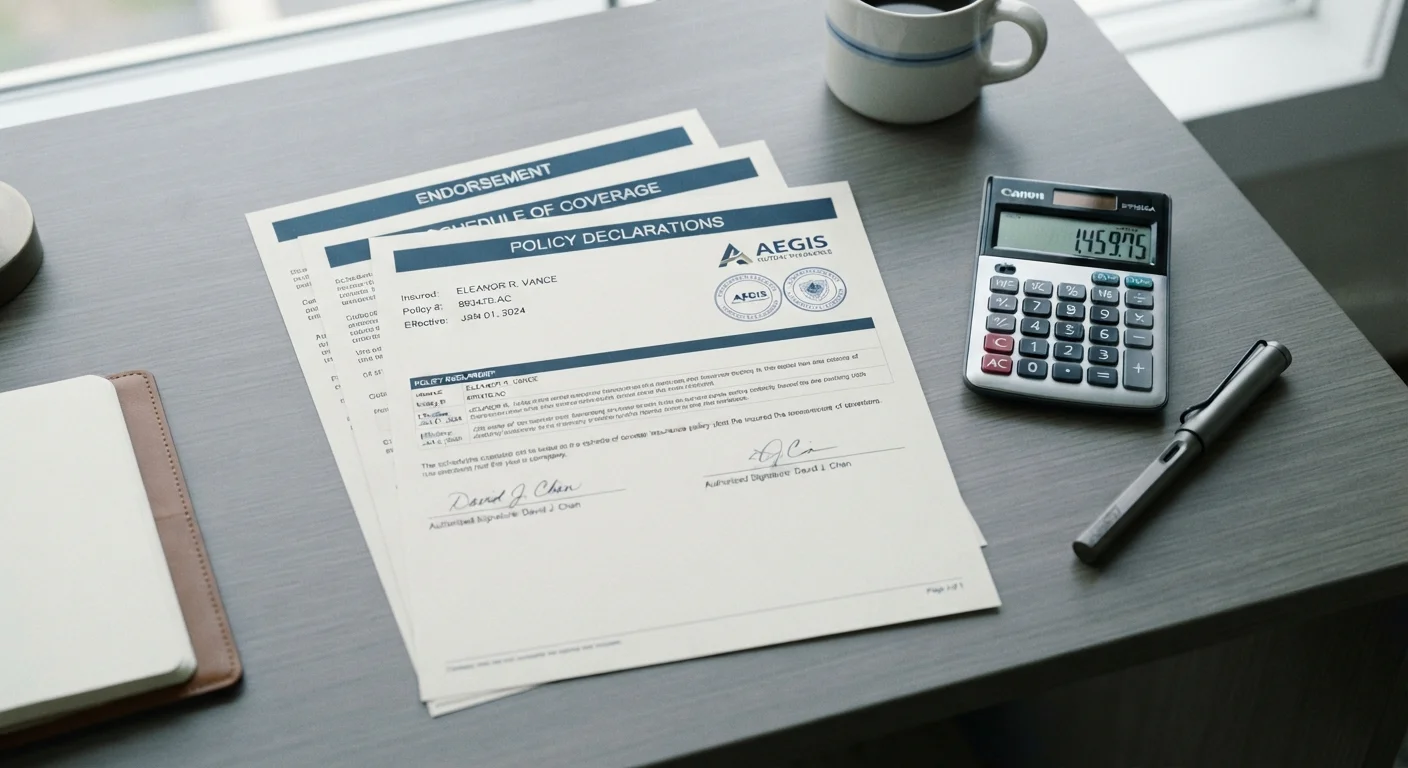
Photo credit: ArticlesHaven.net
In this article
Three ways insurers calculate claim payouts — and each produces a very different number. Understand them before choosing a policy.
Key Takeaways
- Actual Cash Value pays out what your property is worth today - after depreciation is subtracted.
- Replacement Cost covers what it would cost to replace the item new, without a depreciation deduction.
- Agreed Value locks in a payout amount upfront, eliminating disputes at claim time.
- Each method affects your premium differently - higher certainty generally means a higher premium.
- Choosing the wrong valuation method can leave a significant gap between your payout and your actual loss.
Why the Valuation Method Is the Most Important Line in Your Policy
When you file a claim, the number your insurer writes on the check is not random. It flows directly from the valuation method written into your policy - and three methods dominate the market: Actual Cash Value (ACV), Replacement Cost Value (RCV), and Agreed Value. Each applies a different formula, and even for the same loss, each produces a materially different payout.
Most consumers focus on premiums and deductibles when shopping for coverage. Valuation method rarely gets the same attention - which is exactly why claim-time surprises are so common. Understanding how each method works before you buy is one of the most practical steps you can take. For a broader look at how these variables interact, see the Coverage & Costs hub.
Check Every Coverage Category Separately
A homeowners policy can use replacement cost for the dwelling structure but actual cash value for personal property - these are separate elections. Before assuming you're fully covered, check the valuation method listed for each coverage category in your declarations page. If it isn't clearly labeled, ask your agent directly.
Actual Cash Value: The Depreciation Factor
ACV is the most common valuation method - and the one most likely to leave policyholders underinsured. The formula is straightforward: replacement cost minus depreciation. Depreciation accounts for the age, wear, and obsolescence of the item at the time of the loss.
In practice, this means a five-year-old roof or a three-year-old laptop will be valued at what it's worth now, not what it costs to replace. If a covered event destroys your ten-year-old HVAC system that would cost $8,000 to replace new, an ACV policy might pay out $3,500 after depreciation - leaving a $4,500 gap you cover out of pocket.
ACV policies typically carry lower premiums, which makes them attractive on paper. But the depreciation gap can be substantial for older property. The difference between ACV and replacement cost becomes most visible when you actually need to rebuild or replace something.
~20%
Average depreciation deduction on ACV claims
Industry analyses have found depreciation deductions on ACV property claims commonly reduce payouts by 15-25% compared to replacement cost.
56%
Homeowners who don't know their valuation method
Surveys by insurance research groups have consistently found that a majority of homeowners cannot identify whether their policy uses ACV or replacement cost.
Replacement Cost Value: Closing the Depreciation Gap
Replacement Cost Value removes depreciation from the equation. If your covered property is destroyed, the insurer pays what it costs to replace it with a comparable new item - subject to your policy limits. Using the same HVAC example, an RCV policy would pay closer to the full $8,000 replacement cost (minus your deductible).
RCV coverage is standard on most homeowners policies for the dwelling structure, though personal property coverage sometimes defaults to ACV unless you specifically upgrade. Renters and homeowners should always confirm which method applies to each category of covered property in their policy documents.
Premiums are higher than ACV, but for most everyday property, RCV offers a meaningful improvement in claim outcomes. If you're weighing which type of loss coverage to pair this with, the comprehensive vs. collision distinction is a useful companion read for auto contexts.
One caveat: insurers can still dispute replacement costs, especially for unique or irregular property. That's where Agreed Value has an advantage.
| Actual Cash Value | Replacement Cost Value | Agreed Value | |
|---|---|---|---|
| Depreciation applied? | Yes - reduces payout | No - pays replacement cost | No - fixed amount agreed upfront |
| Typical premium level | Lower | Moderate to higher | Higher |
| Claim payout certainty | Low - depends on depreciation calc | Moderate - subject to limits | High - amount is pre-agreed |
| Best suited for | Older property, tight budgets | Standard home and personal property | Specialty or appreciating assets |
| Upfront appraisal required? | Rarely | Rarely | Yes, typically required |
| Risk of claim-time gap | High | Low to moderate | Very low |
Agreed Value: Maximum Certainty, Higher Cost
Agreed Value - sometimes called guaranteed value - works differently from the start. Before the policy is issued, you and the insurer agree on the item's value. If a covered total loss occurs, that agreed amount is paid in full, with no depreciation adjustment and no dispute about current market value.
This method is most common in specialty insurance: classic cars, fine art, antiques, musical instruments, and similar assets whose value doesn't follow a standard depreciation curve. In some cases, these assets appreciate over time, making ACV or RCV unsuitable. For a closer look at how agreed value compares in specialty contexts, see agreed value vs. stated value in specialty insurance.
Agreed Value policies require an appraisal upfront, which adds cost and paperwork. Premiums are generally higher. But the payoff is clarity: you know exactly what you'll receive, and there's no room for the insurer to apply depreciation or argue about replacement cost at the worst possible moment.
Don't Confuse Agreed Value With Stated Value
Stated value and agreed value sound similar but work very differently. A stated value policy sets a ceiling on what the insurer will pay, but the actual payout may still be reduced by depreciation or limited to actual cash value - whichever is lower. Always confirm whether your specialty policy guarantees the full agreed amount or merely caps it at a stated figure. See the agreed value vs. stated value comparison for more detail.
Comparing the Three Methods Side by Side
The table below summarizes how ACV, RCV, and Agreed Value differ across the criteria that matter most at decision time. Keep in mind that actual policy terms vary by insurer and state - always read the policy document and consult a licensed agent before making a final decision.
For a deeper dive into how identical premiums can mask very different coverage quality, see why two policies at the same premium can offer very different value. And if you're exploring different insurance categories more broadly, the Insurance Types hub is a useful starting point.
This article is for general informational purposes only and does not constitute insurance, legal, or financial advice. Coverage terms, availability, and regulations vary by insurer, policy, and state. Always review actual policy documents and consult a licensed insurance professional before making coverage decisions.

Author
Articles Haven Editorial Contributor
Articles Haven Editorial Team is the collective byline for our editorial team and contributor network. Articles published under this byline or an editorial pen name are researched, written, and reviewed according to our editorial standards for clarity, consistency, and independence before publication.
View all articles →