
Loss of Use Coverage: The Benefit Most People Forget to Check in a Home Policy
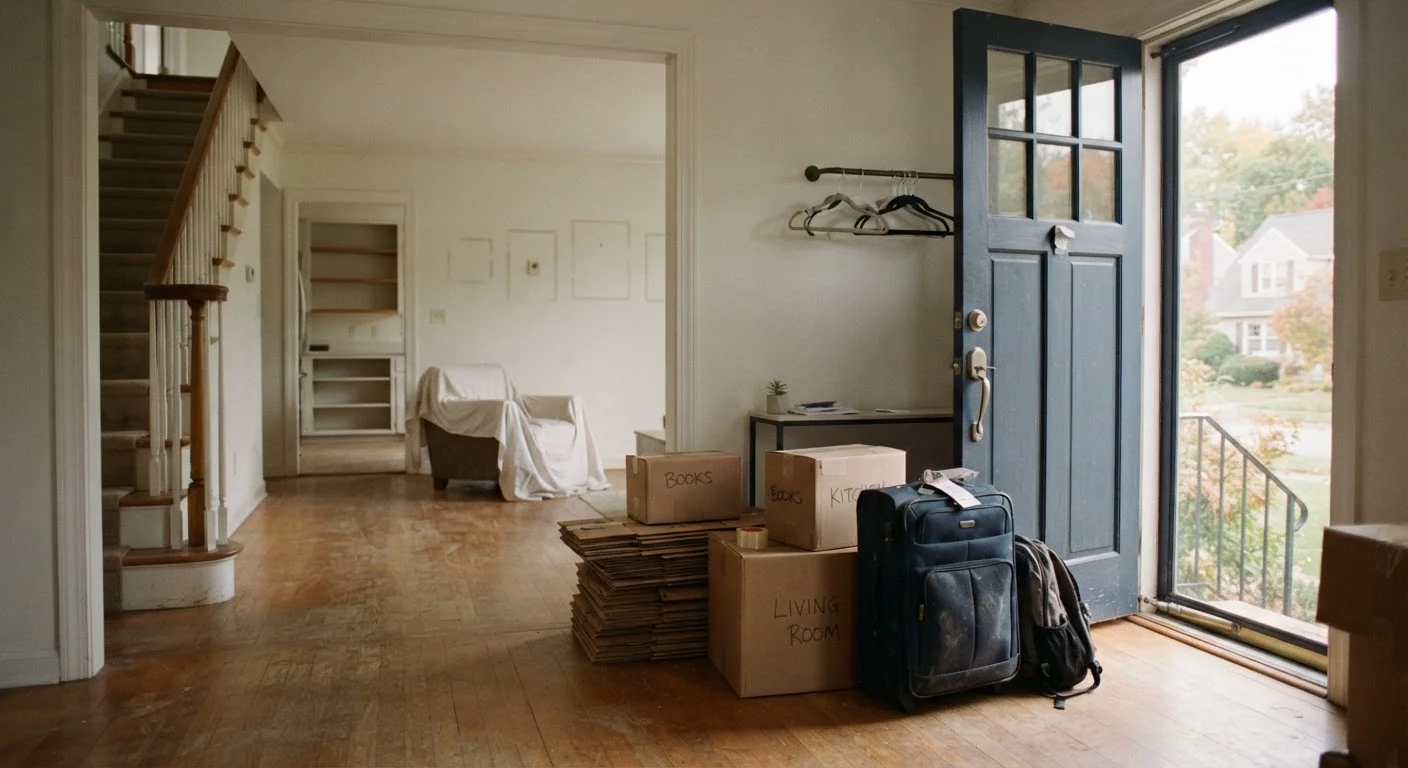
Photo credit: ArticlesHaven.net
In this article
If a covered event makes your home unlivable, loss of use coverage pays for temporary housing. Learn how it works and what limits to look for.
Key Takeaways
- Loss of use coverage pays for temporary housing and extra living costs when a covered peril displaces you from your home.
- It only applies when the cause of displacement is a peril listed - or not excluded - in your policy.
- Limits are typically set as a percentage of your dwelling coverage, often between 20% and 30%.
- Expenses must exceed your normal living costs to qualify; the coverage pays the difference.
- Time limits and dollar caps both apply - whichever is reached first ends the benefit.
- Reviewing your ALE limit now, before a claim, can prevent a costly surprise later.
Why This Coverage Deserves a Closer Look
Most homeowners focus on whether their policy covers the structure and their belongings. Loss of use coverage - sometimes labeled Additional Living Expenses (ALE) or Coverage D - often goes unread until a claim is filed. By then, the limits matter a great deal.
When a fire, burst pipe, or severe storm leaves a home genuinely unlivable, the financial pressure compounds quickly. Mortgage payments don't pause. A family still needs to eat, sleep, and get children to school. Loss of use coverage is designed specifically for that gap - but it has real limits that vary by policy, and many policyholders discover those limits only after displacement has begun.
This is one of the more consequential coverage distinctions in a homeowners policy worth understanding before you need it. It's also a common feature of renters insurance policies that tenants overlook.
ALE vs. Coverage D: Same Thing, Different Labels
Depending on your insurer and policy format, this coverage may appear as 'Additional Living Expenses,' 'Loss of Use,' or simply 'Coverage D.' All three typically refer to the same benefit. If you're unsure where to find it in your policy, look for the declarations page - it will list each coverage type and its limit in a standardized format.
How the Coverage Actually Works
Loss of use coverage pays the difference between your temporary living costs and what you'd normally spend. If your household typically spends $800 a month on groceries and you're now eating out for $1,400 a month because you have no kitchen, the policy would cover the $600 increase - not the full restaurant bill.
Covered expenses commonly include:
- Short-term rental housing or hotel stays
- Meals above your normal food budget
- Laundry costs if you lack in-unit facilities
- Pet boarding if your temporary housing won't accept animals
- Storage costs for furniture or belongings
What it does not cover: your regular mortgage or rent payment (which you'd owe anyway), personal savings set aside for living costs, or expenses unrelated to displacement.
20-30%
Typical ALE limit as % of dwelling coverage
Industry guidance generally places standard Additional Living Expenses limits at 20% to 30% of Coverage A (dwelling) value, though this varies by insurer and policy type.
12-24 mo.
Common time limit for ALE benefits
Most standard homeowners policies cap loss of use benefits at 12 to 24 months, meaning extended repair timelines can exhaust the benefit before the home is ready.
1 in 15
Homeowners who file a claim in a given year
According to data cited by the Insurance Information Institute, roughly one in fifteen insured homeowners files a claim annually, with fire and water damage among the most common causes.
Dollar Limits, Time Limits, and the Peril Trigger
Three factors determine whether - and how much - loss of use coverage pays out.
1. The Covered Peril Requirement
ALE coverage activates only when a covered peril causes the displacement. If your home is damaged by a flood and your standard policy excludes flood damage, loss of use coverage won't apply either. This is a meaningful gap - and one reason flood and earthquake coverage deserves its own consideration. Understanding what standard policies typically exclude helps avoid this surprise.
2. Dollar Limits
Most policies set ALE as a percentage of dwelling coverage - typically 20% to 30%. On a home insured for $350,000, that means $70,000 to $105,000 in available ALE. Whether that's adequate depends heavily on local rental market costs and how long repairs take in your area.
3. Time Limits
Policies usually cap the benefit at 12 to 24 months, regardless of the dollar limit. If major structural repairs take two years and your policy caps at 12 months, the remaining months are your expense. Both caps - dollar and time - run concurrently.
Review Your ALE Limit Against Local Rental Costs
Before a claim ever happens, look up current short-term rental rates in your area and compare them to your ALE dollar limit. If repairs on your home took six months and local furnished rentals run $3,000 per month, you'd need at least $18,000 in ALE coverage - plus meal and incidental cost increases. If your limit falls short, ask your insurer what it would cost to raise it.
Comparing Policies: What to Actually Check
When reviewing or comparing home insurance policies, the ALE section is worth specific attention. A few practical things to look for:
- ALE percentage: Is it 20%, 30%, or something else? Higher is generally better if your local rental market is expensive.
- Time limit: Is it 12 months or 24? For major damage, the difference is significant.
- Definition of "uninhabitable": Some policies define this narrowly. Confirm what qualifies - a roof leak affecting one room may not meet the threshold.
- Documented expenses requirement: Virtually all policies require receipts. Keep records from day one of displacement.
These details matter most when comparing policies side by side - they're easy to miss if you're only comparing premiums. For a broader view of what gets overlooked at policy selection, see how people commonly underestimate coverage needs and the broader guide to choosing the right policy.
A Note on Gaps and Overlaps
Loss of use coverage works alongside - but does not replace - an emergency fund or other resources. An emergency fund handles things insurance doesn't, such as your deductible, uncovered perils, or costs that exceed your ALE limit. Relying entirely on one or the other leaves gaps.
ALE is also not designed for partial displacement. If a contractor damages one bathroom during a renovation and you can still live in the home, coverage likely won't apply. The home generally must be deemed uninhabitable by the insurer or a qualified inspector.
More broadly, loss of use is one of several coverage types that quietly create gaps when people don't read their policies carefully. Reviewing Coverage D limits now - before a claim - is one of the more practical steps a homeowner can take.
“Policyholders often discover their additional living expenses limit only after displacement has begun - at that point, it's too late to adjust. The time to understand that coverage is before a loss, not during one.”
— Insurance Information Institute, U.S. insurance industry education and research organization
This article provides general information about homeowners insurance coverage and is not intended as legal, financial, or insurance advice. Coverage terms, limits, and conditions vary by policy and insurer. Consult a licensed insurance professional and review your actual policy documents before making coverage decisions.
Frequently Asked Questions

Author
Articles Haven Editorial Contributor
Articles Haven Editorial Team is the collective byline for our editorial team and contributor network. Articles published under this byline or an editorial pen name are researched, written, and reviewed according to our editorial standards for clarity, consistency, and independence before publication.
View all articles →