
State-by-State Insurance Requirements: What Varies and Why
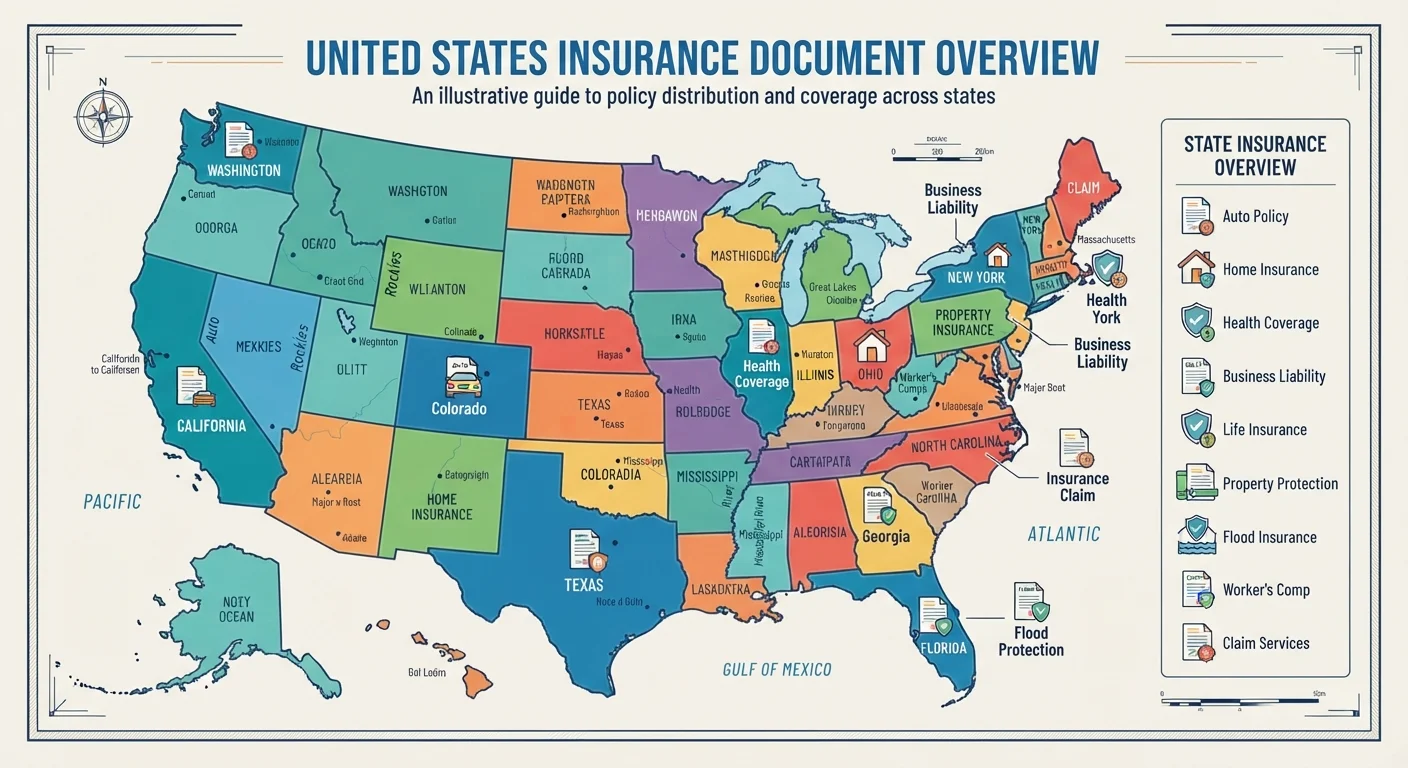
Photo credit: ArticlesHaven.net
In this article
Insurance regulation in the US is handled at the state level, which means minimum requirements and available products differ significantly by location.
Why Insurance Is Regulated State by State
Unlike many industries governed by federal law, insurance in the United States is primarily regulated at the state level. This structure dates back to the McCarran-Ferguson Act of 1945, which explicitly reserved the business of insurance to state jurisdiction. That means each of the 50 states - plus Washington, D.C. - maintains its own insurance commissioner, its own licensing requirements for insurers, and its own rules about what policies must cover and cost.
For everyday consumers, this creates a genuinely fragmented landscape. A driver who moves from Ohio to Michigan will face a completely different auto insurance framework. A homeowner relocating from Texas to Florida will encounter different mandatory coverage structures and a very different private market. Understanding why this variation exists is the first step toward comparing policies with confidence.
State regulators approve or reject rate filings from insurers, license agents, manage consumer complaint processes, and set the coverage floors that policies must meet. The main categories of insurance - auto, health, home, and life - are all shaped differently by each state's regulatory posture.
Where Variation Shows Up Most
Auto Insurance
Auto insurance mandates are the most visible example of state-level divergence. Every state except New Hampshire requires some form of auto liability coverage, but the minimums vary substantially. States also differ on whether they operate under a fault or no-fault system. In no-fault states (including Michigan, Florida, and New York), your own insurer pays your medical bills up to certain limits regardless of who caused the accident - which typically means you're required to carry PIP coverage. In fault states, the at-fault driver's liability coverage picks up costs.
State minimums are legal floors, not financial safety nets. For a deeper look at the gaps minimums leave, see what state minimums don't cover and what you give up with minimum coverage.
Health Insurance
The Affordable Care Act set a federal baseline, but states have significant latitude to expand or restrict coverage beyond it. Medicaid expansion is one of the starkest examples - states that opted in under the ACA extended eligibility to adults up to 138% of the federal poverty level, while non-expansion states maintain older, narrower thresholds. How Medicaid eligibility varies by state explains this divergence in detail.
States can also mandate that fully-insured plans cover specific services - things like fertility treatments, mental health parity, or autism therapy - beyond what federal law requires. These state mandates don't apply to self-funded employer plans, which is one reason group insurance and individual policies operate so differently.
Homeowners Insurance
No state mandates homeowners insurance by law, but mortgage lenders effectively require it. Where state regulation shapes the market significantly is in high-risk zones. Florida, Louisiana, and California each have state-backed insurers of last resort for consumers who can't obtain coverage in the private market. Some states restrict insurers from using certain rating factors; others allow broad underwriting flexibility.
How to Use This When Comparing Policies
When comparing insurance options in any category, your state's regulatory baseline is the starting point - not the finish line. Here's a practical framework:
- Look up your state's minimum requirements before shopping. Your state insurance commissioner's website publishes this information without sales pressure.
- Identify any state-specific mandates that may give you more coverage than you expect - or less, if you're on a plan exempt from state rules.
- Understand your state's market structure. In some states, insurers have more pricing flexibility. In others, rate filings are tightly controlled. This affects how much quotes vary between providers.
- Verify agent licensing in your state. An agent licensed in one state can't legally sell you a policy in another.
Insurance is general education - not personalized financial or legal advice. Terms, exclusions, and coverage limits vary by provider and by policy, and state regulations change. Always read the actual policy documents and consult a licensed insurance agent or adviser for guidance specific to your situation. Explore more foundational context in the Coverage & Costs hub and the Insurance Types hub.
This article is for general informational purposes only and does not constitute insurance, financial, or legal advice. Coverage requirements, eligibility rules, and regulations vary by state and provider. Consult a licensed insurance professional and review actual policy documents before making coverage decisions.

Author
Articles Haven Editorial Contributor
Articles Haven Editorial Team is the collective byline for our editorial team and contributor network. Articles published under this byline or an editorial pen name are researched, written, and reviewed according to our editorial standards for clarity, consistency, and independence before publication.
View all articles →