
Carrying the Right Amount of Auto Insurance: What Minimums Don't Cover
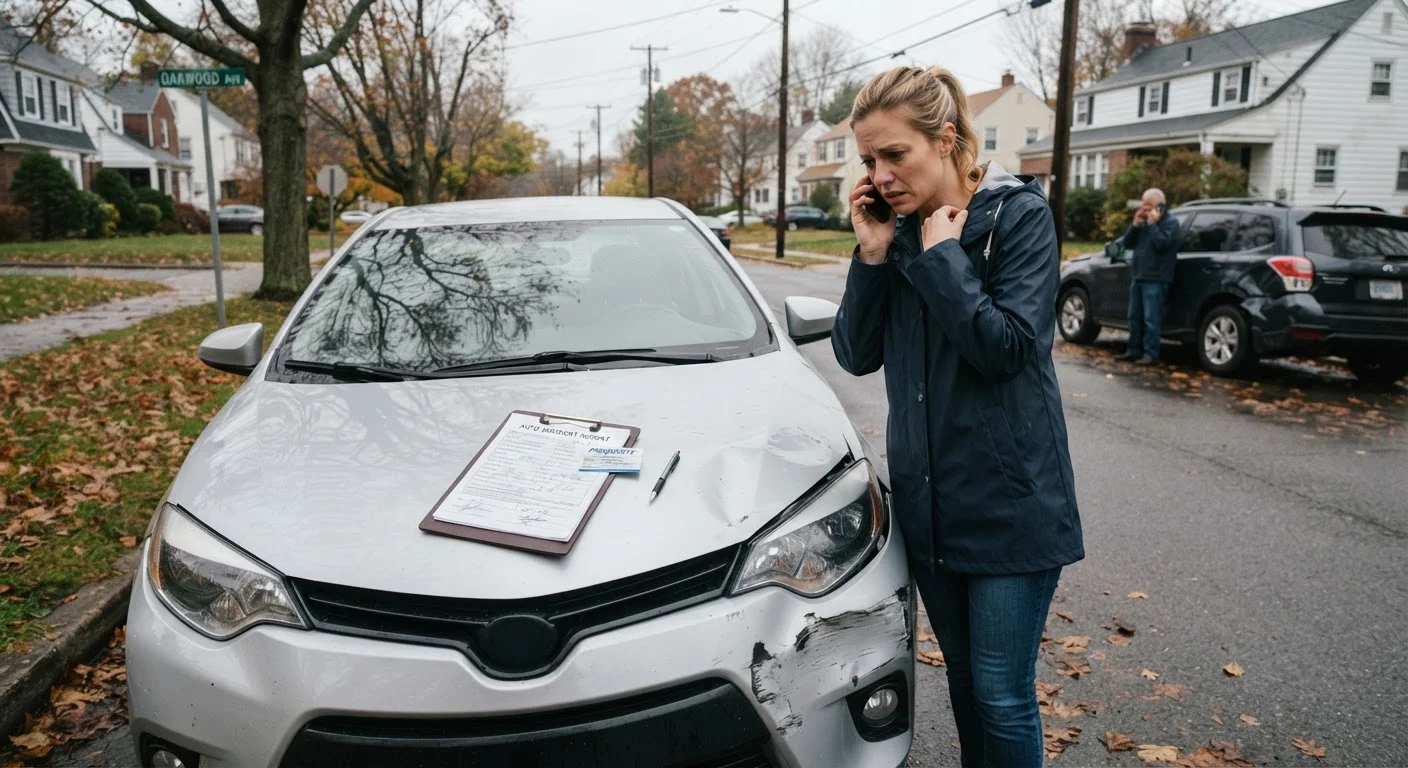
Photo credit: ArticlesHaven.net
In this article
State minimums meet the legal bar, but they rarely cover real-world accident costs. Here's what the gaps look like.
Key Takeaways
- State minimums satisfy the legal requirement but rarely reflect real accident costs.
- Liability limits as low as $25,000 per person can be exhausted by a single ER visit.
- Minimum policies typically don't cover damage to your own vehicle.
- Gaps in coverage can result in out-of-pocket costs that follow you for years.
- Reviewing your coverage against your assets and risk profile is a practical financial decision.
The Gap Between Legal and Adequate
Meeting your state's minimum insurance requirement keeps you on the right side of the law - but it was never designed to make you financially whole after a serious accident. Minimum requirements were set as a floor, not a recommendation. They reflect political and economic compromises, not the actual cost of a modern fender-bender, let alone a multi-vehicle collision.
To understand what you're actually working with, it helps to look at a common minimum structure. Many states use limits in the range of 25/50/25 - $25,000 per injured person, $50,000 per accident, and $25,000 for property damage. A single emergency room visit for a broken leg or internal injuries can easily exceed $25,000. A totaled late-model SUV can surpass the property damage limit on its own.
Understanding how auto insurance policies are structured is a useful starting point before evaluating whether your current limits actually fit your life.
1 in 7
U.S. drivers estimated to be uninsured
According to the Insurance Research Council, approximately 14% of motorists were uninsured in a recent study period, creating risk for drivers without uninsured motorist coverage.
$25,000
Common per-person bodily injury minimum
Many states set their per-person bodily injury liability floor at $25,000 - an amount that emergency medical care alone can exceed in a moderate injury case.
~$61,000
Average cost of a hospitalised injury crash
The National Safety Council has estimated average economic costs for injury crashes that include hospitalization, often surpassing common minimum liability limits.
What Minimums Leave Exposed
State minimum policies create at least three significant exposure areas that drivers often overlook until it's too late.
Your own vehicle
Basic liability coverage pays for damage to the other party's vehicle, not yours. If you cause an accident, your own car repair or replacement comes out of pocket - unless you carry collision coverage, which minimum policies don't include.
Your own medical costs
Liability also pays for other people's injuries. Covering your own hospital bills requires either Medical Payments (MedPay) or Personal Injury Protection (PIP) coverage, depending on your state. Neither is typically part of a minimum package.
The other driver's inadequacy
Roughly 1 in 7 drivers on U.S. roads carries no insurance at all, according to the Insurance Research Council. If an uninsured driver hits you, minimum coverage offers no help - you'd need uninsured motorist protection to recover damages.
Common insurance gaps that catch drivers off guard goes deeper on where these blind spots appear across policy types.
Review Your Limits Annually
Your financial situation changes over time - home equity grows, savings accumulate, income rises. A coverage level that seemed adequate a few years ago may leave more exposed today. Building a quick insurance review into your annual financial check-in is a practical habit that costs nothing.
When Minimums Create Real Financial Risk
The financial exposure from low limits isn't hypothetical. If you cause an accident that injures multiple people and your liability limits are exhausted, the injured parties can pursue a civil judgment against you personally. That judgment can attach to wages, bank accounts, and other assets - sometimes for years.
The risk is higher for drivers with notable assets - home equity, retirement savings, or substantial income - because there's more to recover in a lawsuit. But even drivers with modest assets can face wage garnishment or damaged credit from unpaid judgments.
What you give up by staying at state minimums breaks down the trade-offs in practical terms. And for drivers trying to calibrate their overall risk profile, common ways people underestimate how much coverage they need is a practical companion read.
“Minimum limits are a starting point set by legislatures, not a recommendation for what drivers actually need. Most people's financial exposure in an at-fault accident is far greater than the minimums contemplate.”
— J. Robert Hunter, Former Director of Insurance, Consumer Federation of America
How to Think About the Right Coverage Level
There's no universal answer to how much coverage is enough - it depends on your assets, your driving habits, and your tolerance for financial risk. But a few guiding principles can help structure the decision.
- Match liability limits to your net worth. If a judgment could reach your assets, your coverage should make it harder to get there.
- Check your state's uninsured motorist rules. If it's not required, consider adding it anyway - especially in states with high rates of uninsured drivers.
- Assess your vehicle's value. Collision and comprehensive coverage are most valuable on vehicles worth significantly more than the annual premium cost.
- Consider your health coverage gaps. If your health insurance has a high deductible, MedPay or PIP becomes a more meaningful backstop for accident-related medical costs.
Liability-only vs. full coverage auto insurance is a useful reference for understanding what each tier actually includes and when each approach makes financial sense. Consulting a licensed insurance agent for a review of your specific situation remains the most reliable path to coverage that actually fits.
This article is for general informational purposes only and does not constitute insurance, financial, or legal advice. Coverage options, limits, and requirements vary by state and provider. Consult a licensed insurance professional for guidance specific to your situation.
Frequently Asked Questions

Author
Articles Haven Editorial Contributor
Articles Haven Editorial Team is the collective byline for our editorial team and contributor network. Articles published under this byline or an editorial pen name are researched, written, and reviewed according to our editorial standards for clarity, consistency, and independence before publication.
View all articles →