
Hiring a House Cleaner vs. Doing It Yourself: A Practical Breakdown
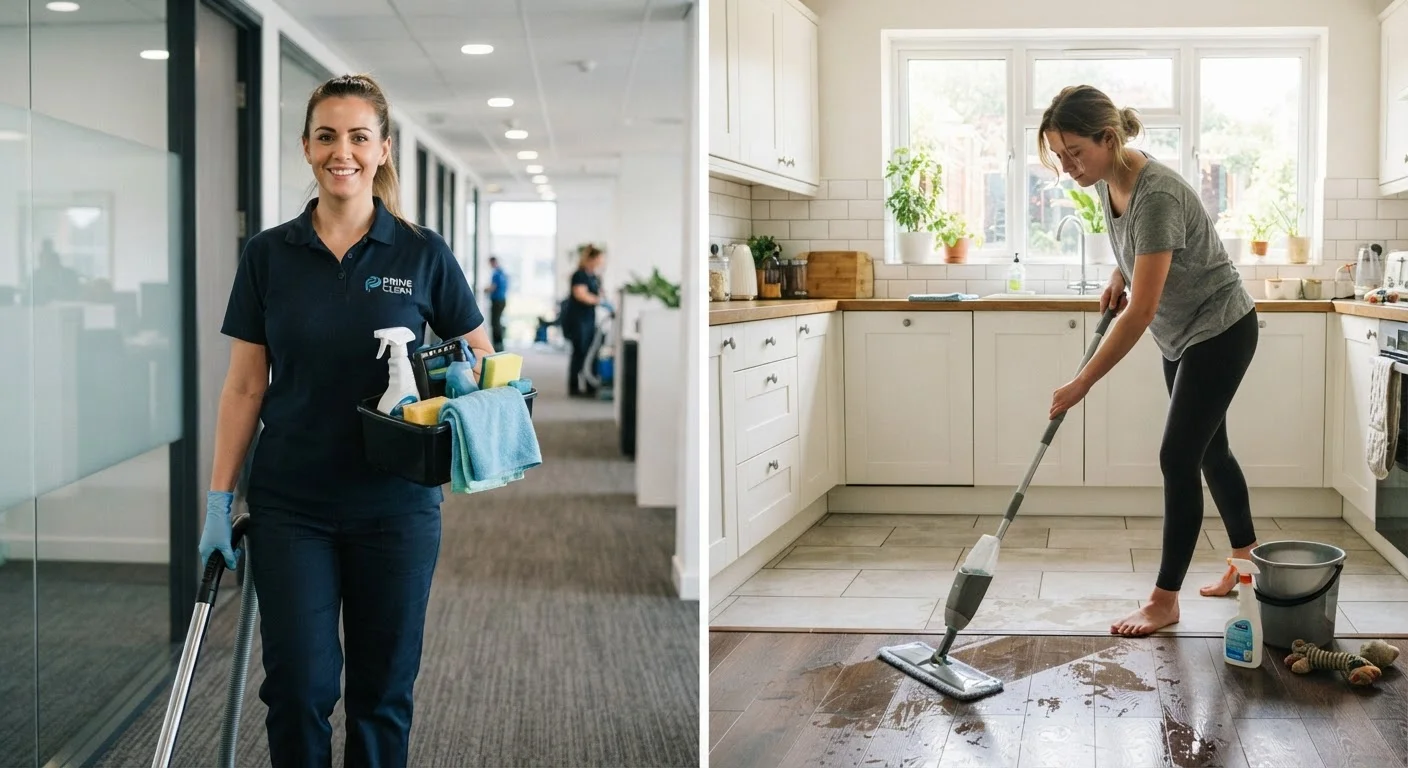
Photo credit: ArticlesHaven.net
In this article
Compare the real time, cost, and effort trade-offs between professional cleaning services and handling it yourself at home.
Key Takeaways
- Professional cleaning services typically cost $100-$250 per visit for an average-sized home, depending on location and scope.
- DIY cleaning costs less money but requires a consistent time investment that many households underestimate.
- Quality of results varies more with DIY - skill, products, and energy levels all affect the outcome.
- A hybrid approach - handling weekly maintenance yourself while hiring for deep cleans - works well for many households.
- Neither option is objectively better; the right choice depends on your schedule, budget, and home complexity.
The Real Cost Comparison
Money is usually the first factor people weigh, but the full cost picture is more nuanced than a single price tag.
Professional cleaning: A standard cleaning visit for a 3-bedroom home in the US typically runs between $100 and $250, based on figures reported across the industry. Recurring bi-weekly service generally lands at the lower end of that range per visit because cleaners become familiar with the home. Deep cleans or one-time visits cost more. Annually, bi-weekly professional cleaning could run $2,400-$5,000 or more depending on location and home size.
DIY cleaning: Out-of-pocket costs are lower - cleaning supplies, tools, and occasional equipment like a vacuum or mop add up to a few hundred dollars a year for most households. However, DIY is not free. The real cost is time. A thorough cleaning of a moderately sized home takes two to four hours per session. Depending on how you value your time, that changes the equation significantly.
$182
Median cost of a house cleaning visit
HomeAdvisor estimates the national average for a standard cleaning visit falls roughly in this range, with wide variation by home size and region.
3-4 hrs
Average DIY cleaning time per session
Cleaning industry surveys suggest a thorough clean of an average US home takes between three and four hours when done systematically.
For a straightforward cost comparison, DIY wins on paper. But if your hourly earning potential or opportunity cost is high, the math can flip quickly. See how outsourcing household tasks stacks up broadly for a wider look at when paying for help tends to pay off.
Quality and Consistency: Who Actually Cleans Better?
Professional cleaners generally deliver more consistent results - not necessarily because they work harder, but because cleaning is their job. They show up on schedule, follow a systematic process, and bring professional-grade products and equipment. For households that struggle to stay on top of things, that reliability has real value.
DIY cleaning quality varies considerably. Technique, energy levels, available time, and the right products all influence the outcome. Someone who follows a well-structured routine can absolutely maintain a very clean home - but that takes discipline. See how to build a realistic whole-home cleaning schedule for a structured approach that keeps results consistent week to week.
Communicate Clearly with Any Cleaner You Hire
Before a professional cleaner's first visit, walk through your priorities in writing - areas that need extra attention, products you prefer avoided, and anything off-limits. A clear brief upfront prevents disappointment and reduces back-and-forth over time. Most professional services actively welcome this kind of guidance.
One overlooked factor: professional cleaners are trained to hit areas most DIYers skip - baseboards, ceiling fans, behind appliances, and grout lines. If deep cleaning is the goal, that institutional knowledge matters.
Time, Flexibility, and Control
Time is where the DIY versus professional debate gets personal. Hiring a cleaner reclaims hours you'd otherwise spend scrubbing - hours that can go toward work, family, or rest. For dual-income households or anyone with a packed schedule, this is often the deciding factor.
That said, hiring someone means scheduling around another person's availability, being home or comfortable with someone having access to your space, and communicating your preferences clearly. That setup has its own overhead, especially early in the relationship.
DIY gives you full control - over timing, products used (useful if you have sensitivities or prefer specific cleaning agents), and which tasks get prioritized. If you want to clean in a way that suits pets or young children, for example, you can tailor every product choice. See strategies for keeping a clean home with pets for practical guidance on managing that specific challenge.
| Professional Cleaner | DIY Cleaning | |
|---|---|---|
| Typical annual cost | $2,400-$5,000+ (bi-weekly) | $150-$400 in supplies |
| Time required from you | Low (scheduling only) | High (2-4 hrs per session) |
| Consistency of results | High - systematic, trained approach | Variable - depends on effort and skill |
| Control over products used | Limited unless specified | Full control |
| Flexibility of scheduling | Depends on provider availability | Fully flexible |
| Depth of cleaning | Strong - trained for overlooked areas | Depends on thoroughness |
| Setup effort | Moderate (vetting, communicating preferences) | Low initially, ongoing commitment |
When a Hybrid Approach Makes the Most Sense
Many households land somewhere in the middle: handling everyday tidying and weekly upkeep themselves while bringing in a professional cleaner for periodic deep cleans - perhaps quarterly or seasonally. This approach reduces ongoing cost while ensuring the harder, more time-consuming tasks (oven cleaning, carpet shampooing, bathroom deep scrubs) get done properly.
If you're leaning toward DIY for most tasks but want to work smarter, it helps to think systematically about how you approach rooms and tasks. Zone cleaning vs. task cleaning breaks down two popular methods that can make self-managed cleaning significantly more efficient.
Don't Let the Hybrid Model Become Neglect
Relying on periodic professional deep cleans without maintaining basic upkeep in between can allow grime, mold, and clutter to accumulate in ways that are harder - and more expensive - to address later. Whichever approach you choose, some baseline of regular maintenance is important for both hygiene and home condition.
The hybrid model also pairs well with decisions about other household services. If you're already evaluating where to spend versus save at home, the trade-offs between professional organizers and DIY organization follows a similar decision framework and is worth reading alongside this one.

Author
Articles Haven Editorial Contributor
Articles Haven Editorial Team is the collective byline for our editorial team and contributor network. Articles published under this byline or an editorial pen name are researched, written, and reviewed according to our editorial standards for clarity, consistency, and independence before publication.
View all articles →