
Professional Organizer vs. DIY Organization Systems: Honest Trade-Offs
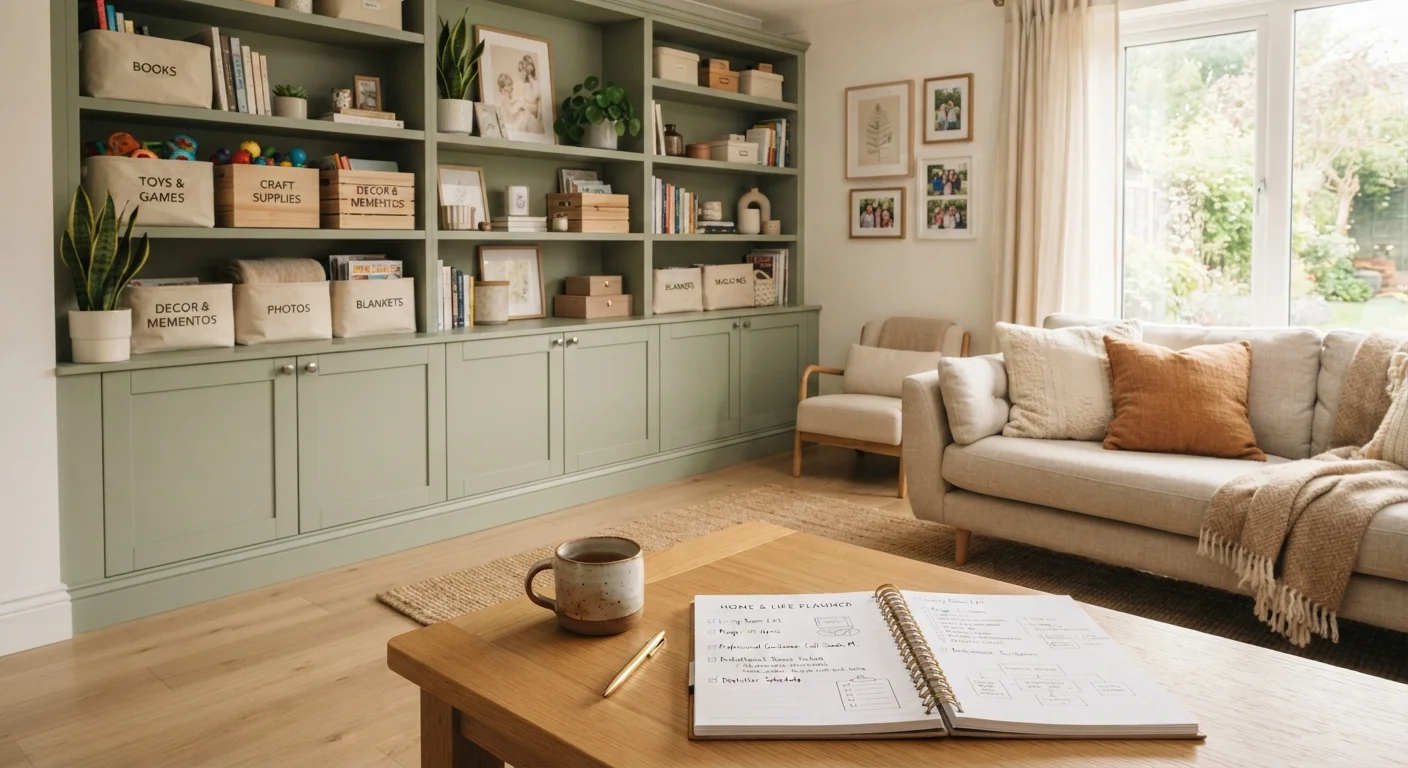
Photo credit: ArticlesHaven.net
In this article
Hiring a professional organizer offers expertise but costs money. Understand the real differences before deciding which route fits your home.
Key Takeaways
- Professional organizers offer expertise and accountability but typically cost $50-$150 per hour depending on location and scope.
- DIY systems can be highly effective but require honest time commitment and follow-through to stick.
- Major life transitions - moving, downsizing, bereavement - are common scenarios where professional help pays off.
- Many people combine both: hire a pro for the initial overhaul, then maintain the system themselves.
- Persistent disorganization sometimes signals deeper challenges that organizing alone won't resolve.
What Each Approach Actually Involves
A professional organizer is a trained specialist - sometimes certified through bodies like the National Association of Productivity and Organizing Professionals (NAPO) - who works directly with clients to sort, categorize, and design functional systems in a home. Sessions can be hands-on, meaning the organizer physically works alongside you, or consultative, where they assess and advise while you execute.
DIY organization systems, by contrast, rely on methods and frameworks you source yourself - from books, videos, or articles - and implement on your own schedule. Popular structured approaches like KonMari or the Four-Box System give you a repeatable process. The comparison of major decluttering methods is a useful starting point if you're choosing a framework.
Neither approach is inherently superior. The right fit depends on your timeline, budget, physical capacity, and how deeply entrenched the disorganization is.
| Criterion | Professional Organizer | DIY Organization Systems |
|---|---|---|
| Typical cost | $50-$150+ per hour | Low to moderate (supplies only) |
| Time investment (you) | Low to moderate | High - hours to weekends |
| Expertise applied | Trained, objective specialist | Self-directed; varies by effort |
| Speed of results | Fast - often one to a few sessions | Slower; depends on consistency |
| System longevity | High if habits are adopted | High if system fits behavior |
| Emotional support | Built-in accountability partner | Self-motivated; no built-in support |
| Customization | Tailored to your space and habits | Fully in your control |
| Best for complexity | High clutter volume, transitions | Moderate, contained projects |
The Real Cost Breakdown
Professional organizers in the US generally charge between $50 and $150 per hour, with some specialists - particularly those working with estate downsizing or hoarding situations - charging more. A full-home project can run anywhere from a few hundred to several thousand dollars depending on scope and your location. Some organizers offer package rates or virtual consulting at lower price points.
DIY costs vary just as widely. If you already own bins, labels, and shelving, your spend could be minimal. But many people underestimate how much they invest in storage products that don't ultimately work for their space. High-impact organization changes that cost almost nothing outlines structural shifts that don't require a product budget at all.
$300-$2,000+
Typical full-home professional organizing cost
Estimates vary widely based on home size, region, and session count; virtual-only engagements tend toward the lower end.
~$50
Average spend on storage products per organizing attempt
Consumer behavior studies suggest most people buy organizational products before fully assessing what storage is actually needed, leading to wasted spend.
Time is a hidden cost in the DIY column. A project that takes a professional team half a day could take a solo adult several weekends - and that's assuming consistent follow-through, which research on behavior change suggests is harder than most people expect.
When Professional Help Is Worth Considering
There are scenarios where the calculus shifts clearly toward hiring a professional. Major transitions - a move, a divorce, the death of a family member, or aging in place - often involve sorting large volumes of belongings under emotional and logistical pressure. Trying to make those decisions alone can lead to regret or paralysis.
Similarly, if previous DIY attempts haven't held, that's meaningful information. It's not a character flaw - it often means the system you built didn't account for how you actually live. A professional can observe your space and routines objectively and design around real behavior rather than idealized behavior.
When Organization Isn't the Whole Answer
If disorganization feels chronic and unresponsive to repeated efforts, it may be worth considering whether attention, mood, or stress-related factors are contributing. Professional organizers are not mental health professionals, and some situations benefit from both types of support working in parallel. Always consult a qualified professional if you suspect an underlying condition is affecting daily functioning.
It's also worth noting that persistent, severe disorganization can sometimes reflect challenges beyond clutter - executive function difficulties, depression, or anxiety, for instance. If that resonates, this article on household disorder and underlying causes addresses when professional support of a different kind may be appropriate.
For a parallel decision-making framework applied to home improvement, deciding between DIY and hiring a contractor covers similar trade-offs in that context.
Making Your Decision
Start by being honest about two things: how much uninterrupted time you can realistically commit, and whether you've successfully sustained organizational systems in the past. If the answer to both is uncertain, the hybrid model - hiring a professional for the initial overhaul and maintaining it yourself afterward - often delivers the strongest return.
If you're leaning DIY, invest time in choosing a method that matches your personality before buying a single bin. Shopping smarter for home organization can help you avoid the common trap of buying storage products before you know what you actually need to store.
And if cost is the primary barrier, remember that the professional organizer market includes a range of price points - virtual consultations, one-session assessments, and community programs can all offer guidance at lower cost than a full engagement. The goal isn't a perfect space; it's a functional one that you can realistically maintain.
This article is for general informational purposes only and does not constitute professional organizing, psychological, or financial advice. For concerns about severe disorganization linked to mental health, consult a qualified healthcare professional.

Author
Articles Haven Editorial Contributor
Articles Haven Editorial Team is the collective byline for our editorial team and contributor network. Articles published under this byline or an editorial pen name are researched, written, and reviewed according to our editorial standards for clarity, consistency, and independence before publication.
View all articles →