
Why Your Tomato Plants Keep Wilting Despite Regular Watering
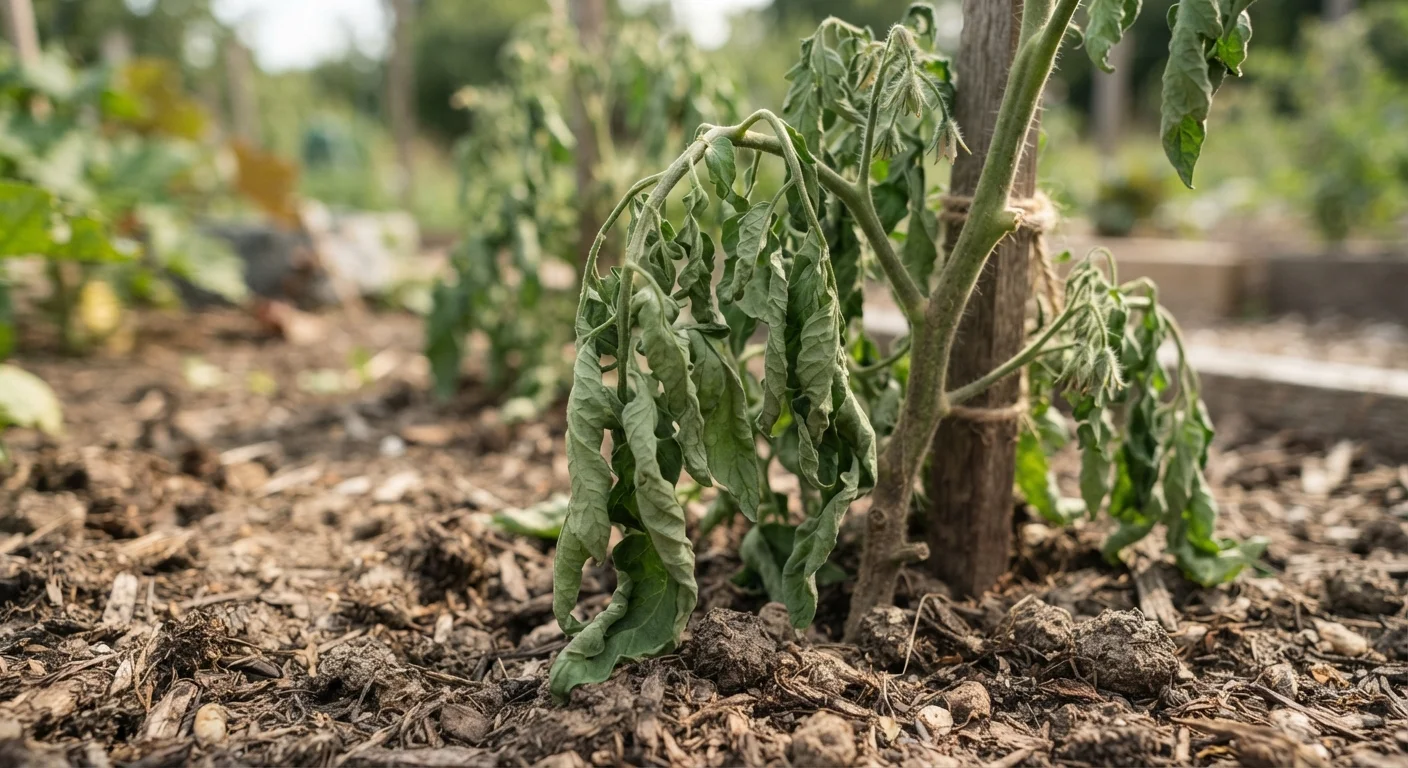
Photo credit: ArticlesHaven.net
Consistent watering isn't always the answer. Explore the real reasons tomatoes wilt—from root rot to soil compaction and heat stress.
Key Takeaways
- Wilting tomatoes are not always a sign of underwatering - overwatering is equally common.
- Root rot, soil compaction, and poor drainage can all cause wilting even with regular irrigation.
- Heat stress causes temporary midday wilt that usually reverses on its own by evening.
- Soil-borne diseases like Fusarium and Verticillium wilt require different interventions than watering fixes.
- Checking soil moisture at root depth - not just the surface - is the most reliable diagnostic step.
Why Watering More Isn't Always the Answer
Tomatoes are among the most popular home garden crops, but they're also among the most misunderstood when it comes to water. The instinct when a plant droops is to reach for the hose - but that reflex can actually make things worse. Wilting is a symptom, not a diagnosis, and the root cause (sometimes literally) has little to do with how much water you're applying.
Before adjusting your watering routine, it helps to understand the difference between wilting caused by moisture stress, structural soil problems, temperature extremes, and disease. Each requires a distinct response. For a broader look at habits that can quietly harm your plants, see common watering myths that damage gardens.
Watering frequently but shallowly, keeping only the top inch of soil moist.
Why it happens: Daily light watering feels attentive, and surface soil dries quickly in warm weather, reinforcing the habit.
Overwatering in dense or clay-heavy soil, causing root rot and oxygen deprivation.
Why it happens: Gardeners apply the same watering schedule regardless of soil type, not accounting for how slowly clay drains compared to loam or sandy soil.
Attributing all midday wilting to water shortage and irrigating during peak afternoon heat.
Why it happens: Wilting looks urgent, and the connection between wilting and thirst is intuitive - but heat stress causes temporary closure of leaf pores (stomata) as a protective mechanism.
Ignoring signs of Fusarium or Verticillium wilt and continuing to adjust watering instead.
Why it happens: These soil-borne fungal diseases mimic water stress, and without cutting open a stem to check for brown vascular discoloration, they're easy to misidentify.
Planting in containers without adequate drainage holes, trapping water at the root zone.
Why it happens: Decorative pots often lack sufficient drainage, and some gardeners add a layer of gravel at the bottom under the mistaken belief it improves drainage - it doesn't.
How to Diagnose Wilting Before You Act
The most reliable first step is checking soil moisture about 3-4 inches below the surface - not just the top inch, which dries out quickly regardless of what's happening below. Push a finger or a moisture probe into the soil near the root zone. Wet, soggy soil that smells musty points toward overwatering or poor drainage. Dry, crumbly soil at depth suggests underwatering or compaction is blocking water movement.
~90%
Of tomato water absorbed through roots, not leaves
University extension resources consistently note that foliar watering is largely ineffective and can encourage fungal disease on leaves.
85-90°F
Temperature threshold for tomato heat stress wilting
Many cooperative extension services cite this range as the point where tomatoes begin to exhibit midday wilt as a physiological stress response.
Also observe when the wilting occurs. Midday wilt on a hot day - when temperatures exceed 85-90°F - that recovers by evening is typically heat stress, not a water deficit. Wilt that persists through cooler parts of the day, or that appears on only one side of the plant, raises the possibility of a vascular disease. For a side-by-side comparison of symptoms, reading overwatering vs. underwatering signs can help clarify what you're seeing.
Don't Assume Wilting Means Dry Soil
Adding water to already saturated soil accelerates root rot and depletes oxygen in the root zone - the opposite of what the plant needs. Always check soil moisture at root depth before irrigating. If the soil feels wet or waterlogged, hold off on watering and improve drainage instead.
If you're watering consistently but your delivery method is inefficient - wetting foliage instead of the root zone, for example - the problem may be systemic. Comparing drip irrigation and sprinkler systems is a useful exercise for gardeners looking to reduce guesswork at the root level.

Author
Articles Haven Editorial Contributor
Articles Haven Editorial Team is the collective byline for our editorial team and contributor network. Articles published under this byline or an editorial pen name are researched, written, and reviewed according to our editorial standards for clarity, consistency, and independence before publication.
View all articles →