
The Real Pros and Cons of Artificial Turf for Residential Yards
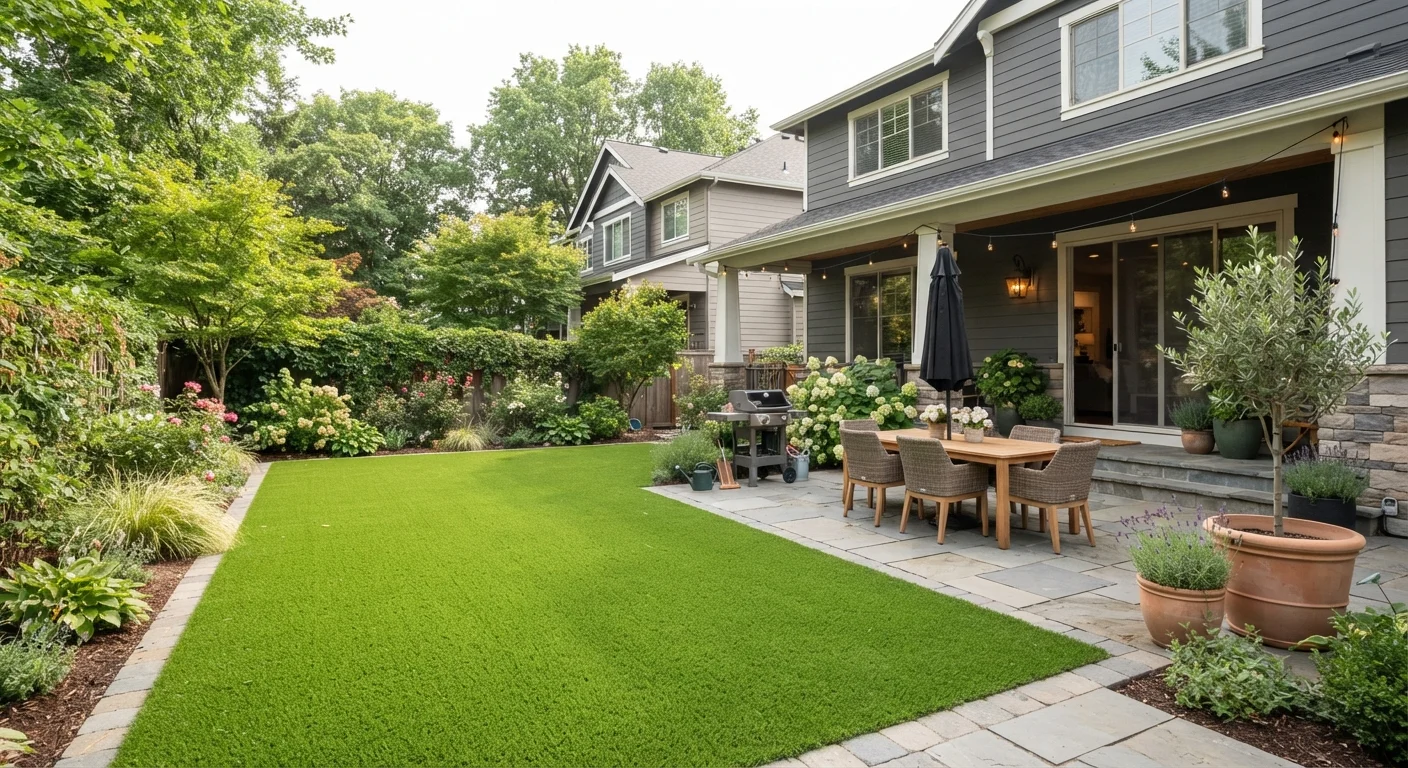
Photo credit: ArticlesHaven.net
In this article
Artificial turf promises low maintenance, but the trade-offs around heat, cost, and environmental impact deserve a closer look.
Key Takeaways
- Artificial turf eliminates mowing and watering but carries a high upfront installation cost.
- Synthetic grass can reach extreme surface temperatures in direct summer sun.
- Most artificial turf products are made from plastics and are difficult to recycle at end of life.
- It works well in high-traffic or drought-prone areas where natural grass struggles to survive.
- HOA rules and local ordinances may restrict or require approval for artificial turf installation.
No mowing, edging, or seasonal overseeding needed
Once installed, artificial turf requires no regular cutting or reseeding. This can save several hours of labor per month during growing season.
Significantly reduces outdoor water use
Natural lawns can consume tens of thousands of gallons of water per year. Switching to synthetic grass eliminates that irrigation demand almost entirely.
Stays green year-round regardless of weather
Unlike natural grass, artificial turf doesn't go dormant, brown, or develop bare patches from frost, drought, or heavy foot traffic.
Durable under heavy and repeated foot traffic
Quality synthetic turf is engineered to withstand consistent use without compacting or wearing down, making it well-suited to play areas and pet runs.
No pesticides or fertilizers required
Eliminating chemical lawn treatments reduces household chemical use and removes a source of runoff into local waterways.
High upfront installation cost
Professional artificial turf installation typically runs several dollars per square foot for materials and labor combined, making it a significant investment compared to seeding or sodding natural grass.
Extreme surface heat in direct sunlight
Synthetic turf can reach surface temperatures of 150°F or higher on hot sunny days - far exceeding the ambient air temperature and making it uncomfortable or unsafe for bare feet and pets.
Limited environmental and ecological value
Artificial turf does not support soil microbes, earthworms, or pollinating insects the way natural grass and ground covers do, reducing biodiversity in the yard.
Made from plastics that are hard to recycle
Most artificial turf is manufactured from polyethylene or nylon fibers bonded to a backing, and few recycling facilities currently accept it, meaning it typically ends up in landfill after its 15-20 year lifespan.
Can trap odors from pet waste
Without soil to naturally break down waste, pet urine can accumulate in the infill material, requiring periodic deodorizing treatments to manage smell.
Does not improve soil or stormwater absorption
Unlike natural turf, synthetic grass sits on a compacted base and does not contribute to groundwater recharge or soil health, which can increase surface runoff.
What Artificial Turf Actually Is
Artificial turf - sometimes called synthetic grass or fake lawn - is a surface made from synthetic fibers designed to look and feel like natural grass. Modern residential products typically use polyethylene or nylon blades attached to a permeable backing, with a granular infill (often crumb rubber or sand) added to support the blades and provide cushioning.
It's a fundamentally different product from natural grass: no soil biology, no living root system, no photosynthesis. That distinction drives nearly every trade-off discussed below. If you're weighing it against natural lawn options, this region-by-region grass guide is a useful reference for what natural turf actually demands in your climate.
The Advantages: Where Artificial Turf Delivers
For the right yard and the right homeowner, synthetic grass solves real problems that natural lawn maintenance cannot.
No mowing, edging, or seasonal overseeding needed
Once installed, artificial turf requires no regular cutting or reseeding. This can save several hours of labor per month during growing season.
Significantly reduces outdoor water use
Natural lawns can consume tens of thousands of gallons of water per year. Switching to synthetic grass eliminates that irrigation demand almost entirely.
Stays green year-round regardless of weather
Unlike natural grass, artificial turf doesn't go dormant, brown, or develop bare patches from frost, drought, or heavy foot traffic.
Durable under heavy and repeated foot traffic
Quality synthetic turf is engineered to withstand consistent use without compacting or wearing down, making it well-suited to play areas and pet runs.
No pesticides or fertilizers required
Eliminating chemical lawn treatments reduces household chemical use and removes a source of runoff into local waterways.
In drought-prone states like California, Arizona, and Nevada, water conservation is a practical and sometimes financial necessity. Some water utilities even offer rebates for removing natural lawns. The maintenance savings are equally concrete: no weekly mowing, no fertilizing schedule, no overseeding bare patches. For homeowners who travel frequently or simply dislike yard work, that's a meaningful quality-of-life improvement.
The Disadvantages: What the Brochure Downplays
Artificial turf's drawbacks are real and worth taking seriously before you sign a contract.
High upfront installation cost
Professional artificial turf installation typically runs several dollars per square foot for materials and labor combined, making it a significant investment compared to seeding or sodding natural grass.
Extreme surface heat in direct sunlight
Synthetic turf can reach surface temperatures of 150°F or higher on hot sunny days - far exceeding the ambient air temperature and making it uncomfortable or unsafe for bare feet and pets.
Limited environmental and ecological value
Artificial turf does not support soil microbes, earthworms, or pollinating insects the way natural grass and ground covers do, reducing biodiversity in the yard.
Made from plastics that are hard to recycle
Most artificial turf is manufactured from polyethylene or nylon fibers bonded to a backing, and few recycling facilities currently accept it, meaning it typically ends up in landfill after its 15-20 year lifespan.
Can trap odors from pet waste
Without soil to naturally break down waste, pet urine can accumulate in the infill material, requiring periodic deodorizing treatments to manage smell.
Does not improve soil or stormwater absorption
Unlike natural turf, synthetic grass sits on a compacted base and does not contribute to groundwater recharge or soil health, which can increase surface runoff.
The heat problem is frequently underestimated. On a summer afternoon in a southern-facing yard, synthetic turf can become genuinely dangerous for children and pets. Some manufacturers offer "cool" infill products that moderate temperatures somewhat, but no synthetic product matches the evaporative cooling that natural grass provides. The environmental picture is also mixed: while you eliminate irrigation and chemical use, you're replacing a living ecosystem with plastic. For homeowners interested in supporting local pollinators or soil health, exploring native plant alternatives alongside hardscape may be a more balanced approach.
Check Local Rules Before Installing
Some homeowners associations and municipalities have specific rules about artificial turf - including permitted zones, material standards, or required approval processes. A small number of jurisdictions have moved to restrict synthetic lawns over environmental concerns, while others actively encourage them to reduce water use. Always verify local ordinances and HOA covenants before committing to installation.
Cost and Long-Term Considerations
Installation cost varies by region, yard size, and turf quality, but it's consistently higher upfront than natural grass. Over a decade or more, lower maintenance and water bills can offset some of that initial outlay - but the math depends on your local water rates, labor costs, and how long the turf holds up.
150°F+
Peak surface temp on hot sunny days
Research from multiple university extension programs has documented artificial turf surface temperatures exceeding 150°F under direct summer sun.
15-20 years
Typical artificial turf lifespan
Most manufacturers estimate a functional lifespan of 15 to 20 years before fibers degrade and infill breaks down, after which replacement is needed.
55-70%
Potential reduction in lawn irrigation
Replacing a natural lawn with artificial turf can cut outdoor residential water use by more than half, according to water utility estimates in drought-affected states.
End-of-life replacement is a cost many homeowners don't factor in at the start. When the turf reaches the end of its functional life, removal and disposal add expense, and recycling options remain limited. For comparison, hardscape materials like pavers and gravel offer different durability and cost profiles that may suit some yards better than either natural or synthetic grass.
This article provides general home and garden information for educational purposes. Installation costs, product performance, and local regulations vary - consult qualified contractors and verify local requirements before making decisions.

Author
Articles Haven Editorial Contributor
Articles Haven Editorial Team is the collective byline for our editorial team and contributor network. Articles published under this byline or an editorial pen name are researched, written, and reviewed according to our editorial standards for clarity, consistency, and independence before publication.
View all articles →