
Sleep and Mental Health: The Two-Way Relationship Most People Underestimate
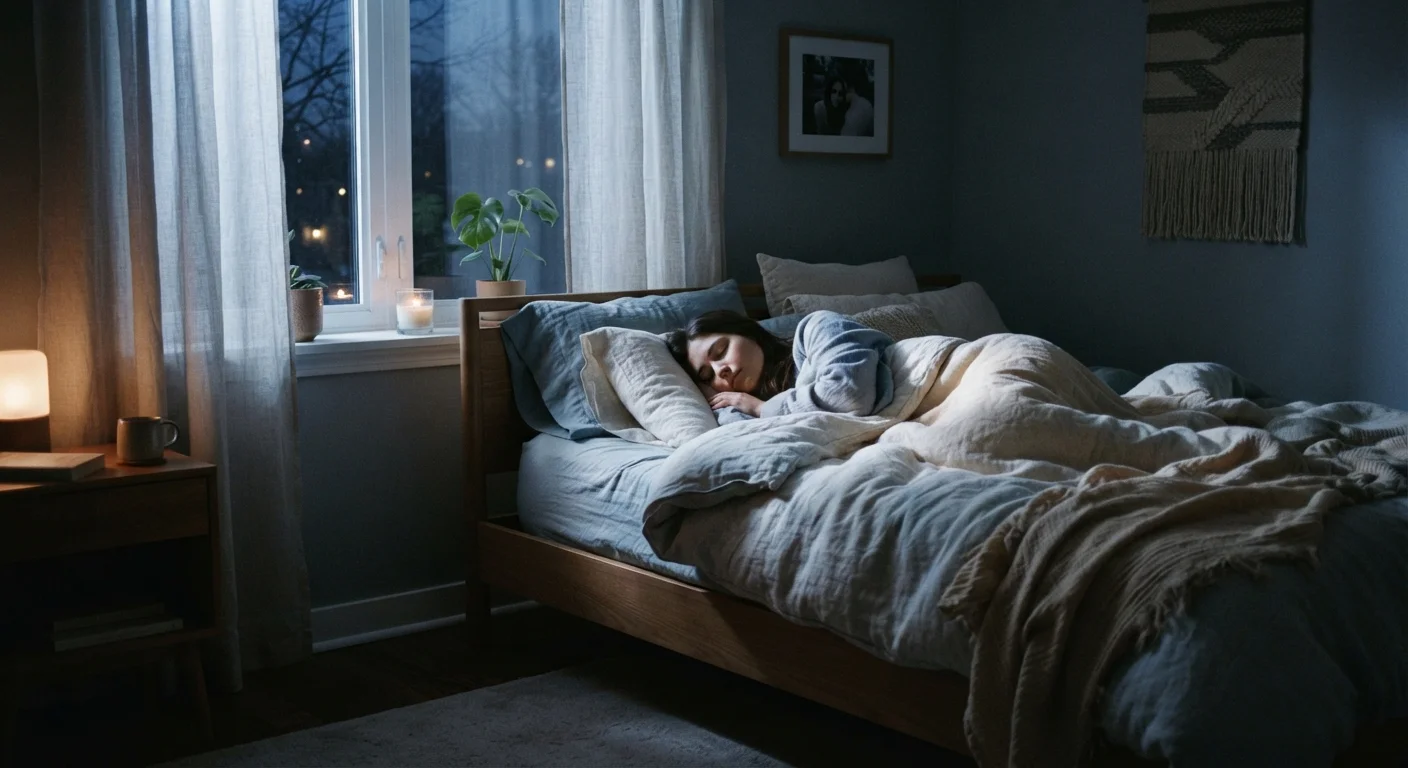
Photo credit: ArticlesHaven.net
In this article
Poor sleep affects mood, cognition, and emotional regulation—and mental health struggles can disrupt sleep. Here's what the research generally shows.
Key Takeaways
- Sleep deprivation measurably impairs emotional regulation, even after a single night.
- Anxiety and depression are among the most common drivers of chronic sleep disruption.
- The sleep-mental health cycle can become self-reinforcing without deliberate intervention.
- Improving sleep habits is a recognized component of mental health support, not a cure.
- Persistent sleep problems alongside mood changes warrant a conversation with a healthcare provider.
Why This Relationship Is Harder to Untangle Than It Looks
Most people have experienced firsthand how a bad night's sleep makes everything feel harder - irritability, difficulty concentrating, a shorter emotional fuse. What's less widely appreciated is that this isn't just a matter of feeling tired. Sleep deprivation measurably changes how the brain processes emotional information, threat perception, and stress response.
At the same time, anyone who has lain awake with racing thoughts knows that anxiety, worry, or low mood can make sleep feel impossible. This is the core of the bidirectional relationship: each side can make the other worse, and neither fully causes the other in a clean, linear way.
The challenge for individuals - and researchers - is that it's often difficult to tell which came first. Someone experiencing both disrupted sleep and depressive symptoms may struggle to identify a starting point. In practice, both may need to be addressed, sometimes simultaneously.
~1 in 3
U.S. adults regularly sleep less than 7 hours
According to CDC surveillance data, a significant portion of U.S. adults report habitually short sleep durations.
75%
Of depression patients report insomnia symptoms
Research reviews consistently find insomnia among the most prevalent symptoms reported by individuals diagnosed with major depressive disorder.
2-3×
Elevated anxiety risk linked to chronic sleep loss
Some longitudinal studies suggest individuals with persistent insomnia may face meaningfully higher odds of developing an anxiety disorder compared to sound sleepers.
What Sleep Deprivation Does to Emotional and Cognitive Health
Research broadly shows that even one night of poor sleep can reduce the brain's capacity to regulate emotional responses. Studies using brain imaging have found heightened reactivity in the amygdala - a region involved in processing threat and negative emotion - following sleep loss, coupled with reduced connectivity to prefrontal areas that help moderate those responses.
Over time, chronic short sleep is associated with elevated stress hormones, impaired memory consolidation, and reduced capacity for problem-solving. These aren't just inconveniences; they can feed directly into anxiety spirals and depressive thought patterns.
It's also worth noting that sleep quality matters, not just quantity. Disrupted REM sleep in particular has been linked to difficulties with emotional processing. Someone who gets eight hours but wakes frequently may not get the same restorative benefit as someone who sleeps soundly for seven.
“Sleep is not a luxury - it is a biological necessity, and the brain cannot simply compensate for losing it. The emotional and cognitive costs of chronic sleep deprivation accumulate in ways that are often invisible until they become significant.”
— Matthew Walker, Sleep researcher and professor of neuroscience at the University of California, Berkeley
How Mental Health Conditions Disrupt Sleep
Insomnia - difficulty falling or staying asleep - is one of the most common symptoms reported in anxiety and depression. But the disruption isn't always simple insomnia. Anxiety tends to produce difficulty falling asleep, driven by hyperarousal and racing thoughts. Depression is more often associated with early morning waking or, in some cases, sleeping excessively without feeling rested.
Post-traumatic stress involves nightmares and fragmented sleep. Bipolar disorder can cause dramatic swings in sleep need across mood states. Even chronic stress, which doesn't always rise to the level of a diagnosable condition, can keep the body's fight-or-flight system activated in ways that undermine deep sleep.
The practical implication is that if you're addressing mental health without also paying attention to sleep - or vice versa - you may be working against yourself. Both sides of the cycle deserve attention. For a broader look at how other stressors interact with mental well-being, see how financial stress affects mental health.
Track Both Sleep and Mood Together
Keeping a simple log of sleep duration, quality, and next-day mood for a couple of weeks can help you and a healthcare provider identify patterns. You don't need a specialized app - a basic notebook works. The goal is to see whether your sleep and emotional state tend to move together, which can inform how you approach both.
General Approaches Worth Understanding
Behavioral approaches to sleep - often grouped under the umbrella of sleep hygiene or, more formally, cognitive behavioral therapy for insomnia (CBT-I) - have a reasonably strong evidence base for improving sleep in adults with insomnia. CBT-I is not a self-help shortcut; it's a structured intervention typically delivered by a trained clinician, but many of its underlying principles inform general sleep guidance.
Consistent sleep and wake times, limiting stimulating activity close to bedtime, managing light exposure, and addressing cognitive patterns that fuel worry about sleep are all components that appear in both clinical and general recommendations. For a more structured look at building better sleep conditions, building a sleep routine that supports rest covers evidence-informed steps in detail.
Social factors also play a role. Isolation and loneliness are associated with poorer sleep quality, which connects the sleep-mental health cycle to broader well-being. What loneliness does to the mind explores that connection further.
This article is for general informational purposes only and is not medical advice. If you are experiencing persistent sleep problems or symptoms affecting your mental health, please consult a qualified healthcare professional.
Frequently Asked Questions

Author
Articles Haven Editorial Contributor
Articles Haven Editorial Team is the collective byline for our editorial team and contributor network. Articles published under this byline or an editorial pen name are researched, written, and reviewed according to our editorial standards for clarity, consistency, and independence before publication.
View all articles →