
Reading an Explanation of Benefits: What Each Section Actually Means
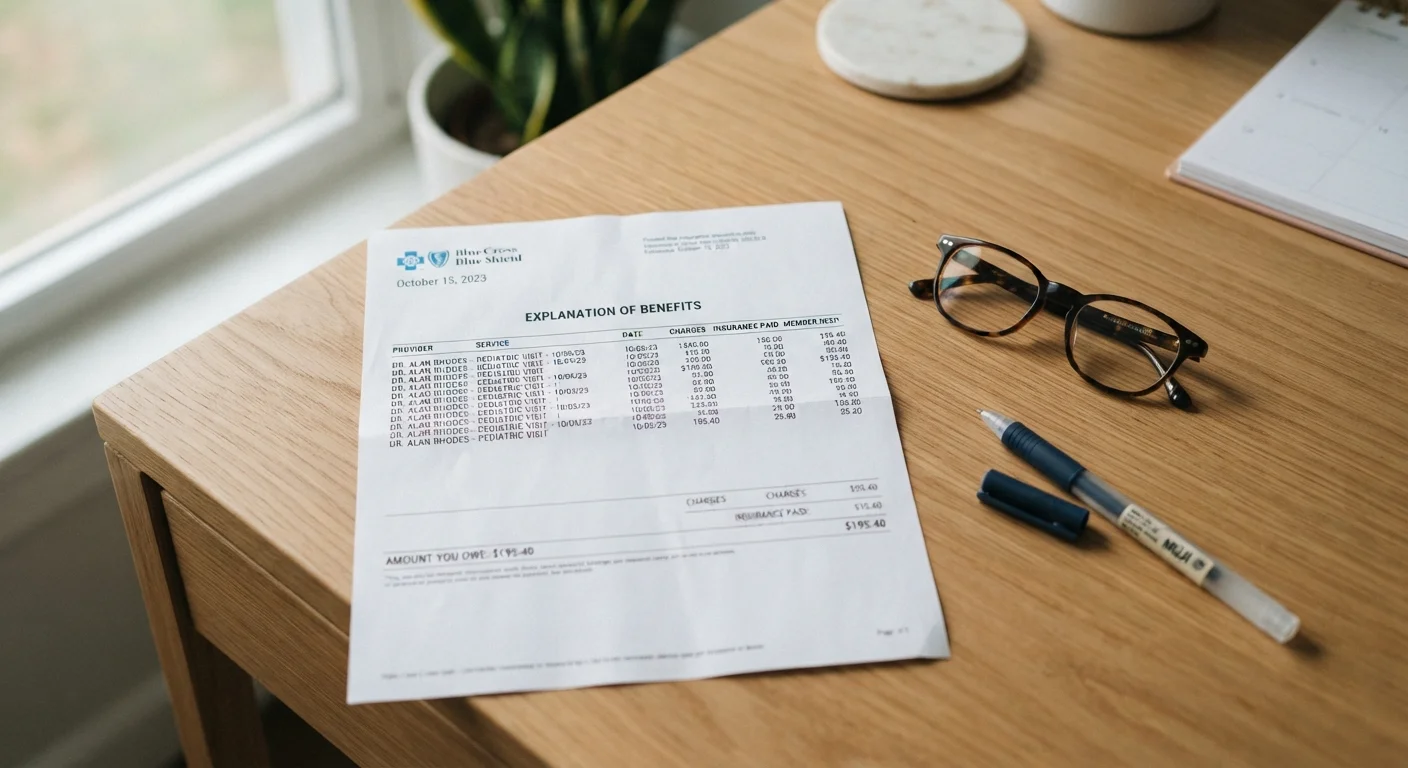
Photo credit: ArticlesHaven.net
In this article
An EOB isn't a bill, but it matters. Learn how to read each section so you can spot errors and understand what your insurer paid.
Key Takeaways
- An Explanation of Benefits (EOB) is a summary statement from your insurer, not a bill.
- Each EOB section explains what was billed, what the insurer allowed, and what you owe.
- Errors on EOBs are more common than most people expect - reviewing them can save money.
- Your EOB arrival should precede or accompany any provider bill for the same service.
- Keeping EOBs helps you track deductible progress and catch duplicate or fraudulent claims.
Why EOBs Are Worth Your Attention
An Explanation of Benefits is a document your health insurer sends after processing a medical claim on your behalf. It is not a bill - it is a record of what happened between your provider and your insurance company. Despite its importance, most people file it away unread or throw it out entirely.
That's a mistake worth correcting. EOBs serve as your primary check on whether claims were processed correctly, whether your deductible credit is accumulating properly, and whether anything looks fraudulent. Understanding how coverage and costs work is easier once you can read the document that tracks them in real time.
An EOB Is Not a Bill
Many people mistake an Explanation of Benefits for an invoice and pay it immediately. Do not send payment in response to an EOB. Wait for the actual bill from your provider, then cross-reference it against the EOB to confirm the amounts match before paying anything.
If you're new to reading insurance documents generally, it may help to start with what an insurance policy actually covers before diving into claim-level documents like EOBs.
Insurer member portal or mobile app
Access digital EOBs, track deductible balances, and review claim status history.
Provider's itemized bill
Cross-reference with the EOB to confirm your patient responsibility amount is accurate.
Summary of Benefits and Coverage (SBC)
Verify your plan's cost-sharing rules - deductible, coinsurance, copays - when reviewing EOB calculations.
How to Read Each Section - Step by Step
Every EOB layout differs slightly by insurer, but all of them include the same core data fields. The steps below walk through those fields in the order they typically appear. Pull up your most recent EOB - paper or digital - and follow along.
What you will need
Confirm the patient, provider, and date of service
The top portion of any EOB lists who received the service, which provider delivered it, and when. Verify that the patient name matches the correct family member, the provider name is the one you actually visited, and the service date is accurate. A mismatch here - even a transposed digit in the date - can indicate a filing error or, in rare cases, a fraudulent claim on your account.
Find the 'Amount Billed' column
This is what your provider charged before any insurer adjustments. It is often higher than what you will ultimately owe. Insurers negotiate contracted rates with in-network providers, so this figure rarely reflects your real exposure - but recording it helps if you need to dispute a bill later.
Locate the 'Allowed Amount' (or 'Negotiated Rate')
This is the maximum your insurer has agreed to pay for that service under your plan's network contract. Amounts above this threshold are typically written off by in-network providers and are not your responsibility. Understanding the allowed amount helps you see exactly how much your insurer is discounting on your behalf - and flags cases where you may be improperly billed for a write-off.
Identify what your insurer paid
This column shows the dollar amount your insurance plan actually paid the provider. It reflects your plan's cost-sharing structure - deductible status, coinsurance percentage, and any applicable copay rules. If your deductible has not yet been met for the year, the insurer may pay $0 here while still crediting the allowed amount toward your deductible balance.
Read the 'Patient Responsibility' section
This is the amount you are expected to pay your provider. It typically breaks down into three components: any portion applied to your deductible, a coinsurance percentage (your share after the deductible is met), and any fixed copay. Add these together and compare the total to the bill your provider sends. If the numbers don't match, do not pay until you've clarified the discrepancy with both the provider's billing department and your insurer.
Review the remark codes and denial reasons
Most EOBs include a section of short codes or plain-language notes explaining why a claim was paid, reduced, or denied. Common reasons include a service not being covered under your plan, a prior authorization requirement that wasn't met, or a coding issue on the provider's end. If you see a denial code, check your plan's appeals process - most plans allow a formal appeal within a defined window, and many denials are successfully reversed when additional documentation is provided.
Track Your Deductible Progress on Every EOB
Most EOBs include a running total of how much you've applied toward your deductible and out-of-pocket maximum for the plan year. Reviewing this regularly prevents billing surprises later in the year when coverage thresholds shift. If the totals look off, call your insurer - data entry mistakes do happen.
If your plan has a secondary insurer - for example, if you're covered by both a spouse's employer plan and your own - the EOB process involves additional coordination. See how two insurance plans split the bill for a full explanation of that scenario.
What to Do When Something Looks Wrong
Discrepancies between your EOB and your provider's bill are worth investigating, not ignoring. Common issues include duplicate charges for the same service, procedure codes that don't match what you received, or claims filed without your knowledge.
Errors and Billing Codes Can Cost You
Medical billing errors are documented to occur at a meaningful rate. If a service code on your EOB does not match what your provider described, or if a charge appears that you don't recognize, contact your insurer's member services line before paying. Disputing errors typically requires acting within a set window - check your plan documents for the deadline.
Your insurer's member services line is the starting point for most disputes. Have your EOB, the provider's bill, and the date of service ready before you call. For persistent issues, your state's insurance commissioner office handles formal complaints, and most states maintain a consumer assistance program.
For a broader look at how policy documents explain what's covered and what isn't, the guide on navigating a policy document is a useful reference alongside your EOBs.
This article provides general information about insurance documents and is not a substitute for advice from a licensed insurance professional. Coverage terms, processes, and consumer rights vary by plan and state - consult your insurer or a licensed agent for guidance specific to your situation.

Author
Articles Haven Editorial Contributor
Articles Haven Editorial Team is the collective byline for our editorial team and contributor network. Articles published under this byline or an editorial pen name are researched, written, and reviewed according to our editorial standards for clarity, consistency, and independence before publication.
View all articles →