
Tire Care and Longevity: What Owners Often Get Wrong
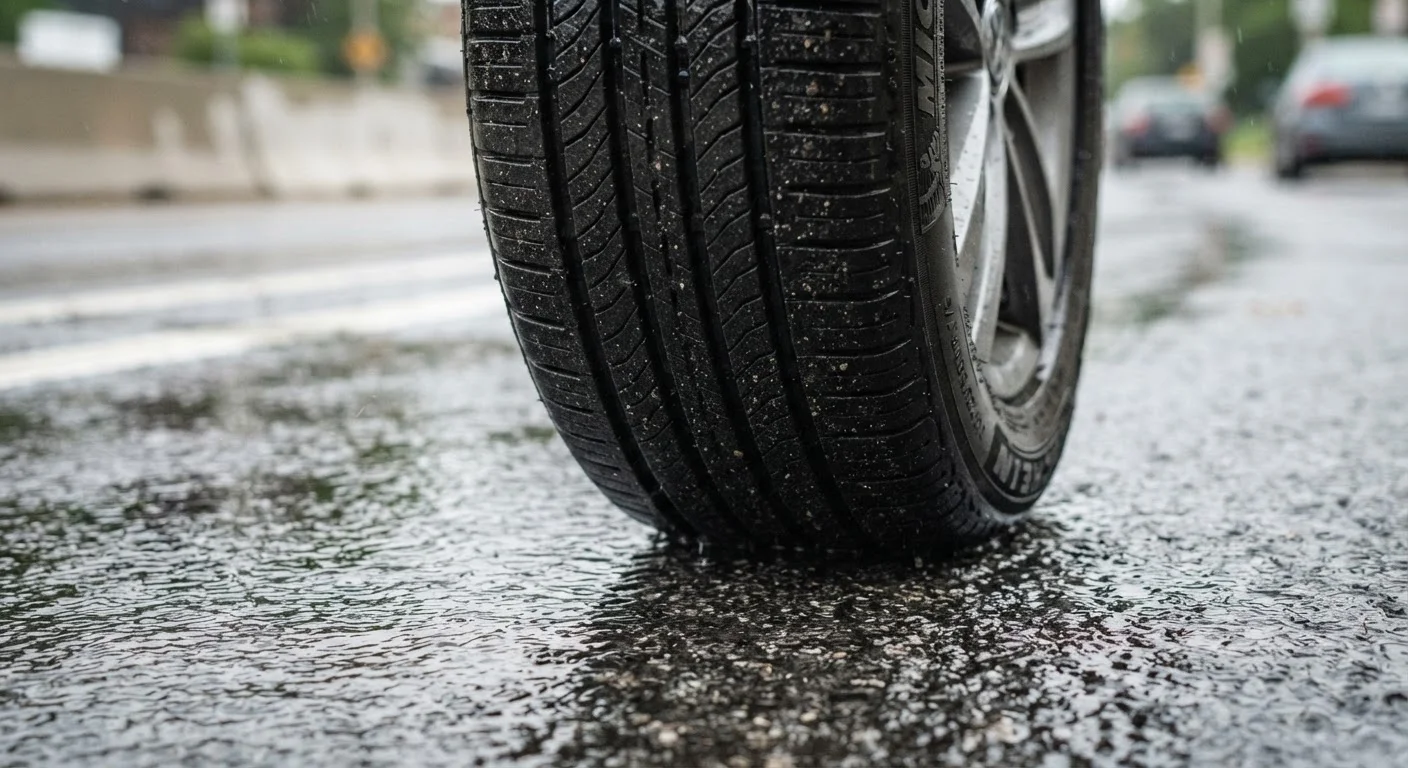
Photo credit: ArticlesHaven.net
In this article
Proper inflation, rotation schedules, and tread checks extend tire life and affect fuel economy and safety—here's what to know.
Key Takeaways
- Incorrect tire pressure is one of the most common - and costly - maintenance mistakes drivers make.
- Rotating tires every 5,000-7,500 miles helps prevent uneven wear that shortens overall tire life.
- Tread depth below 2/32 of an inch significantly increases stopping distances, especially on wet roads.
- Wheel alignment and balancing problems accelerate tire wear and often go unnoticed until damage is done.
Why Tire Maintenance Is Often Underestimated
Tires are the only part of a vehicle that actually touches the road, yet routine tire care ranks near the bottom of most owners' maintenance priorities. The consequences of neglect show up gradually - in worse fuel economy, uneven wear, and eventually a repair bill that could have been avoided. Understanding where owners most often go wrong is the first step toward getting more life and value out of every set of tires.
For a broader look at how tire care fits into the full service schedule, see our guide to routine car maintenance. The habits covered here directly influence real-world fuel costs as well.
Check tire pressure monthly, using the vehicle manufacturer's recommended PSI - not the number on the tire sidewall.
The figure molded into the sidewall is the tire's maximum pressure, not the correct operating pressure for your vehicle. Driving on over- or underinflated tires increases wear, reduces handling precision, and lowers fuel efficiency. The correct PSI is listed on a sticker inside the driver's door jamb or in the owner's manual.
Rotate tires on a consistent schedule, typically every 5,000 to 7,500 miles, or as specified in your owner's manual.
Front and rear tires wear at different rates depending on drivetrain type and driving style. Without rotation, front tires on front-wheel-drive vehicles often wear significantly faster than the rear set, forcing premature replacement of only two tires - or mismatched sets. Regular rotation evens out wear and extends the usable life of the full set.
Measure tread depth regularly and replace tires before they reach the legal minimum of 2/32 of an inch.
At 2/32", most tires are legally at the replacement threshold, but wet-weather stopping distances begin to lengthen well before that point - often around 4/32". Waiting until the wear indicators are flush with the tread surface means driving on tires that are already compromised in rain or on loose surfaces.
Have wheel alignment checked at least once a year or after any significant impact such as a hard pothole strike.
Misaligned wheels cause tires to wear unevenly - often on one edge - which shortens their lifespan and can pull the vehicle to one side during braking. Alignment problems also increase rolling resistance, quietly eroding fuel economy. A single hard pothole hit can knock alignment out of spec.
Keep tires balanced, especially after mounting new tires or noticing steering wheel vibration.
An unbalanced tire creates vibration that accelerates wear unevenly and transfers stress to suspension components. Many shops balance tires when rotating them, but if vibration appears between service intervals, it's worth addressing rather than ignoring.
The Numbers That Actually Matter
Tire performance is measurable, and a few key figures help put the stakes in perspective.
~1 PSI
Pressure lost per 10°F temperature drop
The U.S. Department of Energy notes that tire pressure changes with temperature, causing tires to lose or gain roughly 1 PSI for every 10°F shift.
0.2%
Fuel economy loss per 1 PSI underinflation
The U.S. Department of Energy estimates fuel economy can drop by about 0.2% for every 1 PSI that tires fall below the recommended pressure.
4/32"
Tread depth where wet-weather grip begins to decline
Tire safety research consistently shows wet-road stopping performance begins to degrade at 4/32" of tread depth - well before the legal minimum of 2/32".
These numbers underscore why small maintenance gaps compound into significant safety and cost problems over time. Also worth noting: high-mileage driving patterns accelerate tire wear and can shift the replacement timeline considerably.
Quick Actions That Extend Tire Life
Not every good tire habit requires a shop visit or specialized equipment. Several of the highest-impact actions take only a few minutes and can be done at home or at any gas station.
Consistent small habits prevent the kind of irregular wear that forces early replacement. Owners who also want to understand how driving behavior connects to broader vehicle costs may find our article on how safe driving habits affect long-term ownership costs useful context.
Match All Four Tires When Replacing
Mixing tires with different tread patterns, compounds, or wear levels - especially on all-wheel-drive vehicles - can stress the drivetrain and compromise handling. If replacing two tires rather than four, install the new tires on the rear axle for better stability, regardless of which axle is driven. Always consult your owner's manual or a qualified technician for guidance specific to your vehicle.
Cold Weather and Tire Pressure: A Seasonal Blind Spot
Temperature swings directly affect tire pressure. As a general rule, tire pressure drops roughly 1 PSI for every 10°F decrease in ambient temperature. That means a tire properly inflated in October can be noticeably underinflated by January - without a single slow leak occurring. Many owners don't realize this until a dashboard warning light triggers, by which point underinflation may have already caused wear damage.
If you live in a region with cold winters, checking pressure at the start of each cold season is especially important. Our article on winter car preparation covers this alongside other cold-weather maintenance priorities.
TPMS Warnings Are a Minimum Threshold
Most vehicles built after 2008 include a Tire Pressure Monitoring System (TPMS) that alerts drivers when a tire drops roughly 25% below the recommended pressure. However, that threshold is a safety floor - not an optimal operating level. Tires can be meaningfully underinflated without triggering the dashboard light, which is why manual monthly checks still matter even if your vehicle has TPMS.

Author
Articles Haven Editorial Contributor
Articles Haven Editorial Team is the collective byline for our editorial team and contributor network. Articles published under this byline or an editorial pen name are researched, written, and reviewed according to our editorial standards for clarity, consistency, and independence before publication.
View all articles →