
How to Prepare Your Car for a Long Road Trip
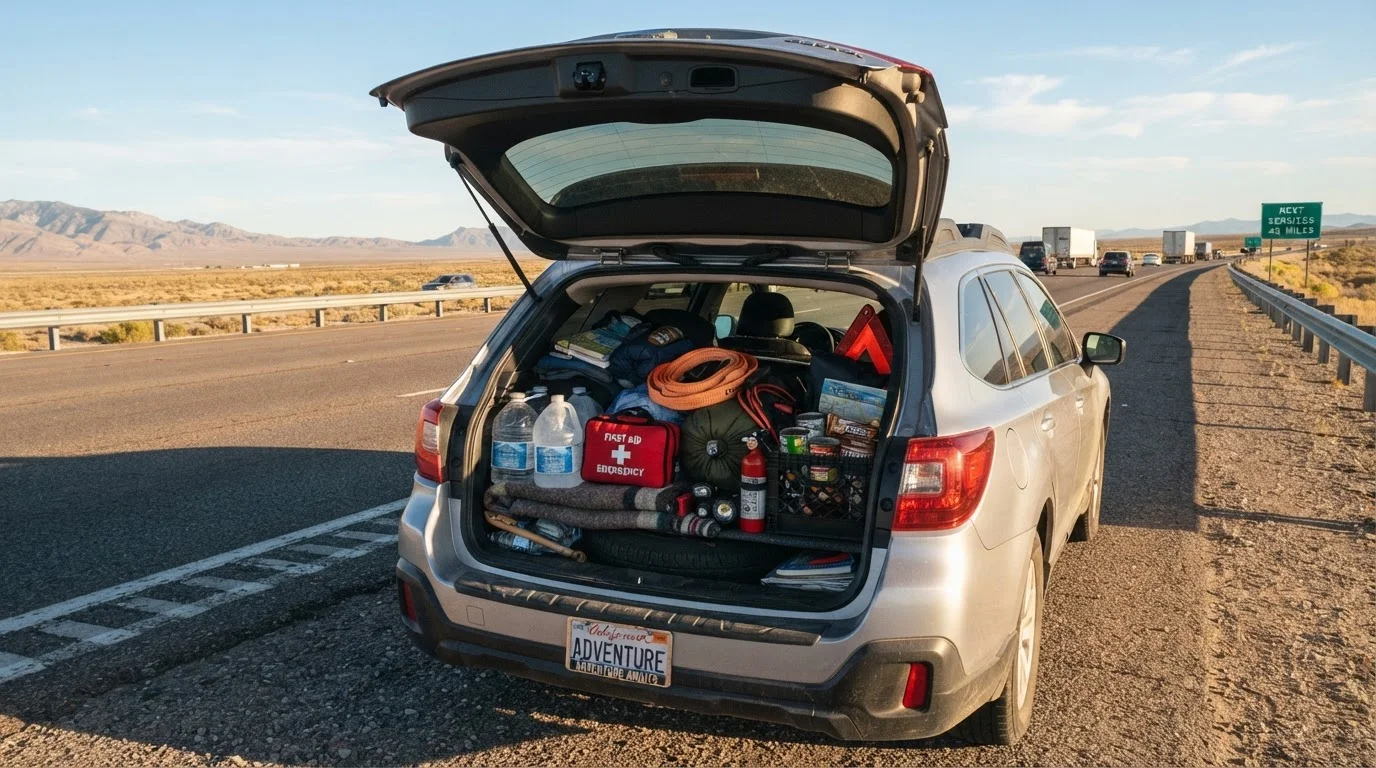
Photo credit: ArticlesHaven.net
In this article
A practical pre-trip checklist covering fluids, tires, brakes, and emergency supplies before a long drive.
Key Takeaways
- Checking fluids, tires, and brakes before departure can prevent most common roadside breakdowns.
- A basic emergency kit takes minutes to assemble but can make a real difference if something goes wrong.
- Your vehicle's owner manual - not internet averages - is the authoritative source for service intervals.
- Auto insurance coverage and roadside assistance details are worth verifying before you leave, not after.
Why Pre-Trip Vehicle Prep Matters
A multi-hour drive puts your car under sustained stress it may not experience on a typical commute: higher engine temperatures, extended tire contact with varying road surfaces, and greater demand on brakes and suspension. Most roadside breakdowns aren't random - they're traceable to maintenance that was overdue or a worn component that didn't get noticed.
Working through a structured checklist a few days before departure gives you enough time to schedule a shop visit if something needs attention. Waiting until the morning you leave removes that option. This checklist is organized so you can move through it logically - under the hood first, then around the car, then your supplies and documents.
For winter trips specifically, additional factors come into play. See what cold weather does to your vehicle for a focused look at battery, fluid, and tire concerns in low temperatures.
Under the Hood
Tires
Brakes and Lights
Emergency Kit and Supplies
Documents and Insurance
Tools and Resources You'll Need
Most items in this checklist require nothing more than a few minutes and your own eyes. A handful of tasks do benefit from basic tools or professional input.
Tire pressure gauge
Accurately measures tire PSI so you can inflate or deflate to the correct level for highway driving.
Tread depth gauge or quarter coin
Gives a quick read on whether tire tread is deep enough to be safe for extended driving.
Portable jump starter pack
Allows you to restart a dead battery without waiting for another vehicle - useful in remote locations.
Flashlight or headlamp
Essential for inspecting the vehicle in low light and for any nighttime roadside emergency.
Owner's manual
Provides vehicle-specific service intervals, fluid types, and procedures that generic online guides may not match.
Mechanic or quick-lube shop
Needed to properly inspect brakes, belts, hoses, and perform any service tasks beyond basic fluid checks.
Emergency Kit and Documentation
Mechanical preparation is only part of the picture. What you carry in the car matters just as much if you end up stranded. A basic roadside kit doesn't need to be expensive - the goal is to cover the most likely scenarios: a flat tire, a dead battery, or an unexpected stop in a remote area.
Don't Rely Solely on Warning Lights
Dashboard warning lights are a last resort, not a routine monitoring system. By the time a low oil pressure or temperature warning illuminates, damage may already be occurring. Physical checks of fluid levels and visual tire inspection catch problems that sensors often miss until they've progressed.
On the documentation side, confirm your auto insurance card is current and in the vehicle. If your policy includes roadside assistance, note the contact number separately from the card - some apps and websites go down when cell signal is weak. If you're relying on a third-party roadside plan, verify it covers the states or regions you'll be passing through.
This checklist is one piece of a broader road trip plan. For the full picture - routes, overnight stops, and packing strategy - see Road Trip Planning: A Start-to-Finish Walkthrough.
Get Repairs Done Before You Leave
If your inspection turns up a brake concern, a tire with a sidewall bulge, or a battery that's pushing five years old, address it before departure - not during the trip. Repair costs on the road are typically higher, availability of service shops is unpredictable, and delays can cascade into other travel complications. Building your check in a few days ahead is specifically so you have time to act on what you find.

Author
Articles Haven Editorial Contributor
Articles Haven Editorial Team is the collective byline for our editorial team and contributor network. Articles published under this byline or an editorial pen name are researched, written, and reviewed according to our editorial standards for clarity, consistency, and independence before publication.
View all articles →