
Why the Out-the-Door Price Is the Number That Actually Matters
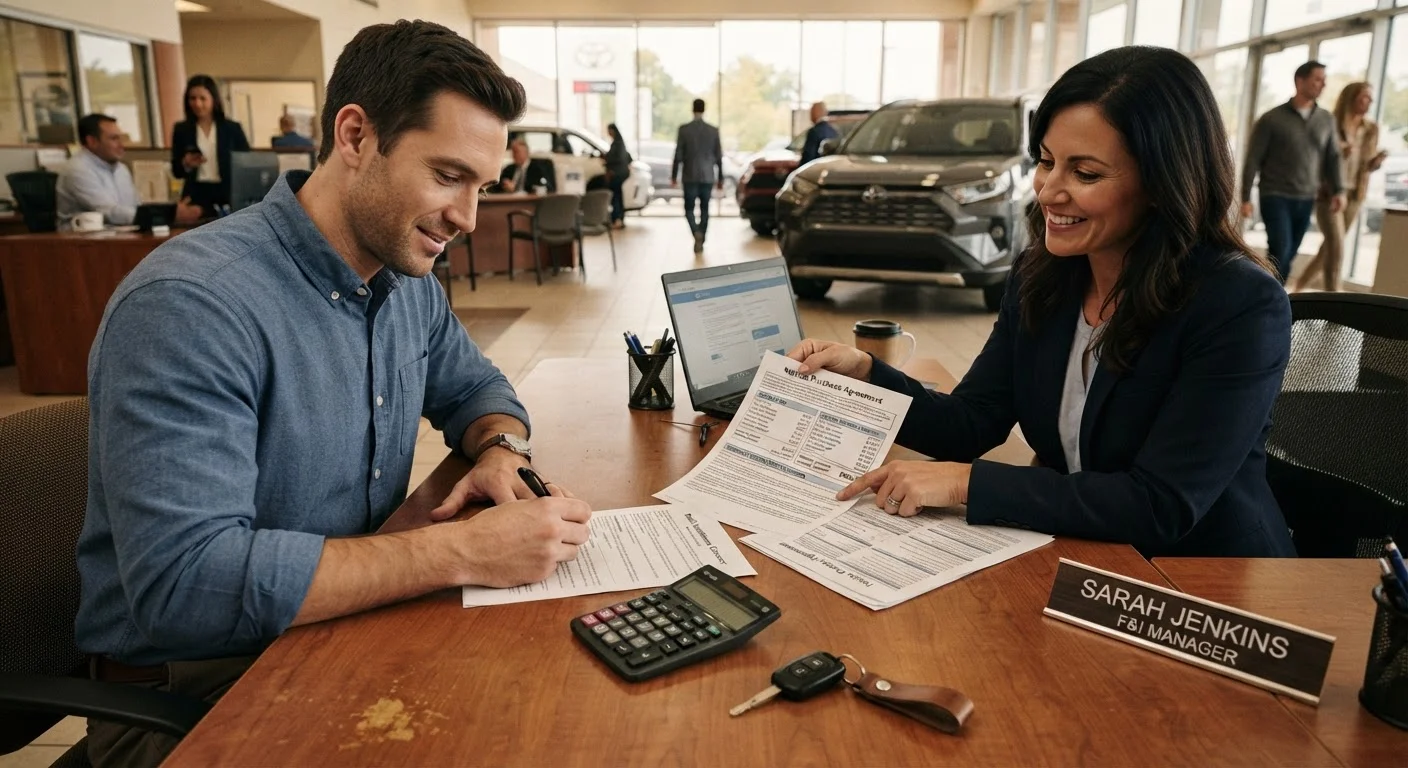
Photo credit: ArticlesHaven.net
In this article
Taxes, fees, and dealer charges can add thousands to a car's sticker. Here's what goes into the final OTD price and how to ask for it.
Key Takeaways
- The sticker price excludes taxes, registration fees, and dealer charges that can add $1,000-$4,000 or more.
- Always request the full OTD price in writing before agreeing to any deal.
- Some dealer fees are required; others are optional and may be negotiable.
- Comparing OTD prices across dealerships gives you a true apples-to-apples comparison.
- Financing terms are separate from OTD price - evaluate both independently.
The Gap Between Advertised Price and What You Pay
Walk into a dealership drawn in by a $28,500 advertised price, and you might leave with a contract closer to $31,500 or higher. That gap isn't an accident - it's the result of fees, taxes, and charges that accumulate between the sticker and the final signature. Understanding this gap is exactly what the out-the-door price concept addresses.
The advertised or sticker price (known as the MSRP - Manufacturer's Suggested Retail Price) reflects only the vehicle's base cost, sometimes with optional packages added. It says nothing about what your state charges to register the car, what the dealer charges to process your paperwork, or what sales tax applies in your county. Those numbers land on a separate line, often late in the conversation.
This dynamic isn't unique to car buying. Checkout totals across many categories routinely surprise consumers for the same reason - advertised prices don't carry the full cost picture.
$1,000-$4,000+
Typical fees added above vehicle sale price
Tax, registration, and dealer fee totals vary widely by state; high-tax states and high-fee dealers push this range toward the top end.
~$300-$700
Average dealer documentation fee range
Doc fees vary by state regulation; some states cap the amount dealers may charge, while others impose no limit.
What Goes Into the OTD Price
Breaking the OTD price into categories makes it easier to evaluate each piece:
- Sales tax: Calculated as a percentage of the sale price. Rates vary significantly by state and municipality - this is often the largest add-on.
- Title and registration fees: State-mandated charges to legally register the vehicle in your name. These are set by the government and non-negotiable.
- Documentation (doc) fee: A dealer charge for processing paperwork. Some states cap this fee; in others, it can range from under $100 to several hundred dollars.
- Dealer add-ons: Items like paint sealant, fabric protection, or nitrogen-filled tires sometimes appear pre-installed. These are frequently optional and can be declined or removed.
- Destination charge: This fee covers shipping the vehicle from the factory to the dealership. It's typically non-negotiable and already included on the window sticker.
First-time buyers often encounter these line items without warning, which is why requesting the OTD breakdown early is so important.
Request the OTD Price in Writing Early
Before spending significant time negotiating, ask the salesperson for a written itemized OTD quote. This shows you understand the full cost structure and discourages the tactic of burying fees until late in the process. Email requests work particularly well - they create a clear record you can reference if numbers change later.
How to Use the OTD Price When Shopping
The OTD price becomes most powerful as a comparison tool. When you're evaluating offers from multiple dealerships on the same vehicle, monthly payment comparisons can obscure real differences - loan terms and interest rates affect monthly figures more than the actual vehicle cost. OTD prices cut through that noise.
Ask for itemized written OTD quotes before you enter serious negotiation. Email works well for this - it creates a paper trail and lets you compare responses side by side without time pressure. Approaching the negotiation with this framing puts you in a stronger position because you're discussing total cost, not just a monthly payment that can be stretched to mask a higher price.
It also helps to separate your trade-in valuation from the OTD negotiation. Bundling them gives the dealer more variables to adjust simultaneously, making it harder to track where value is being gained or lost.
Keep in mind that the OTD price is what you're financing, not the sticker. A higher OTD price means a larger loan principal, which means more interest paid over time - even if the monthly payment seems manageable. The full cost of vehicle ownership extends well beyond the purchase transaction itself.
“Consumers who focus on monthly payments rather than the total purchase price often end up paying significantly more over the life of a loan without realizing it. The out-the-door price is the figure that actually anchors your deal.”
— Consumer Financial Protection Bureau, U.S. federal agency focused on consumer financial education
OTD Price vs. Sticker: A Clearer Way to Compare
If you've ever wondered why retail prices rarely reflect actual value, the same principle applies to vehicle purchases. The sticker is a starting point for negotiation, not a realistic cost figure. The OTD price is where the real conversation happens.
Before signing anything, verify that the OTD figure you've agreed to matches the finance office paperwork exactly. Dealers may adjust line items between the sales floor and the F&I (finance and insurance) office. A line-by-line review takes only a few minutes and ensures nothing has shifted.
This article is for general informational purposes only and does not constitute financial or legal advice. Vehicle pricing, fees, and tax rates vary by location and change over time. Verify all figures directly with your dealership and relevant government agencies before completing a purchase.
Frequently Asked Questions

Author
Articles Haven Editorial Contributor
Articles Haven Editorial Team is the collective byline for our editorial team and contributor network. Articles published under this byline or an editorial pen name are researched, written, and reviewed according to our editorial standards for clarity, consistency, and independence before publication.
View all articles →