
Negotiating a Vehicle Price Without Feeling Outgunned
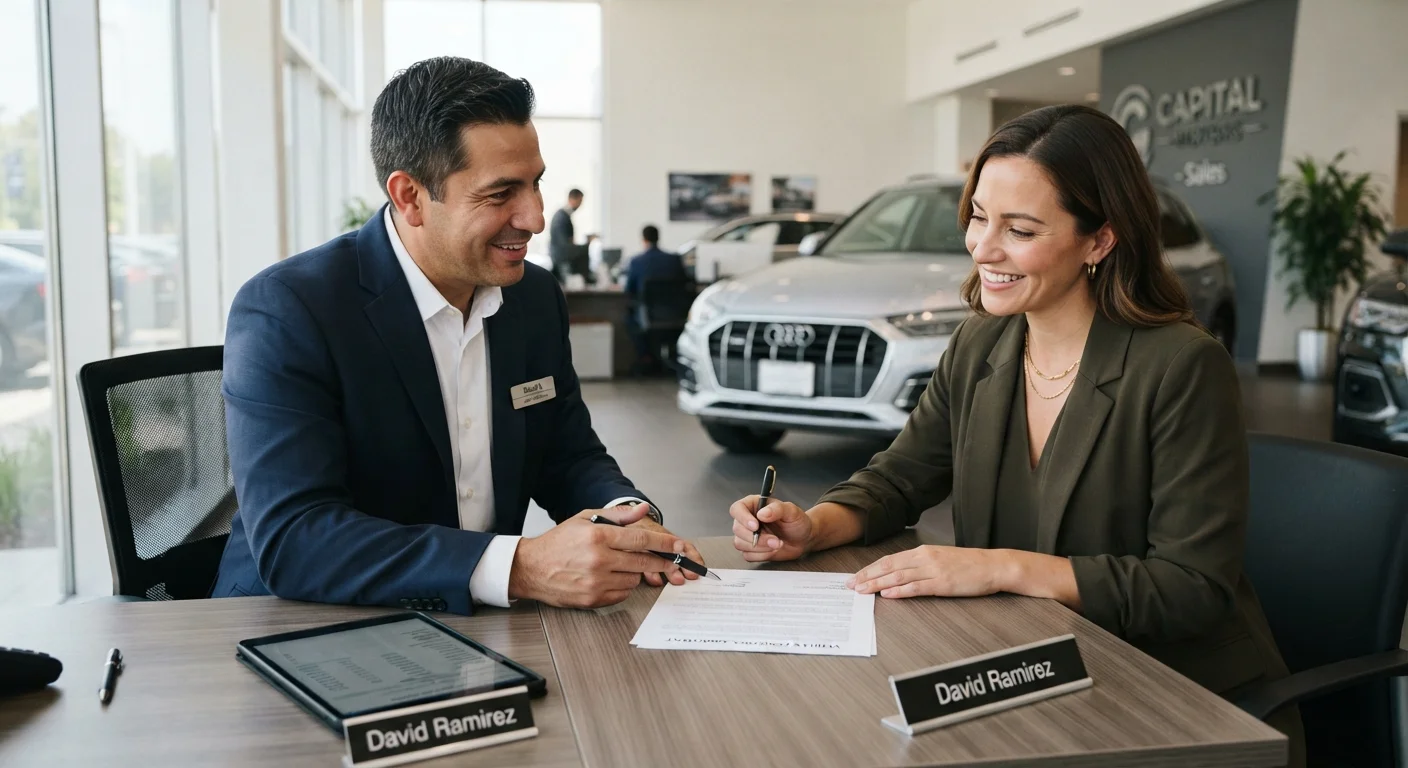
Photo credit: ArticlesHaven.net
In this article
Understand how dealership pricing works, what figures are actually negotiable, and how to approach the conversation with confidence.
Key Takeaways
- The sticker price is rarely the final price - multiple line items are negotiable separately.
- Researching market value before visiting a dealership is the single most effective preparation step.
- Focusing on the out-the-door price, not the monthly payment, protects you from financing sleight-of-hand.
- Dealers have structured incentives and timing patterns you can use to your advantage.
- Separating your trade-in from the new vehicle purchase gives you clearer numbers on both deals.
Why Negotiating Feels Lopsided - and How to Rebalance It
Dealership salespeople negotiate vehicle prices dozens of times each week. Most buyers do it a handful of times in their entire life. That experience gap is real, but it's narrower than it feels once you understand the structure of a dealership deal.
The core issue is information asymmetry. Dealers know their invoice cost, their manufacturer incentives, their monthly sales targets, and the exact financing markup they're earning. Buyers often walk in knowing only the sticker price - which is rarely where the actual transaction happens.
Leveling that gap starts before you set foot on a lot. Resources like manufacturer websites, third-party pricing tools, and published invoice data let you arrive with a credible range in mind rather than a blind guess. If you want to understand what a fair final number actually looks like, the out-the-door price is the number that actually matters - not the sticker, not the monthly payment.
What's Actually Negotiable at a Dealership
Not every line on a dealer's worksheet is fixed. Knowing which items have flexibility - and which genuinely don't - keeps the conversation grounded.
- Vehicle price: The MSRP (Manufacturer's Suggested Retail Price) is a starting point. Negotiating toward or below invoice is realistic on most non-scarce models.
- Add-ons and dealer-installed accessories: Paint protection, fabric sealant, and similar packages are often marked up significantly and can frequently be declined or reduced.
- Documentation fees: These vary widely by state and dealer. Some are capped by law; others have real flexibility.
- Trade-in value: This is a separate negotiation. Trade-in value is calculated using specific criteria, but dealers have room to adjust their offer - especially if you have competing appraisals.
- Financing rate: Dealers often mark up the rate they receive from lenders. Arriving pre-approved from your own bank or credit union gives you a direct comparison point.
First-time buyers are often caught off guard by the sheer number of moving parts. Common dealership surprises for first-time buyers include F&I office upsells and last-minute add-on fees that inflate the final number well past the agreed vehicle price.
Decline Add-Ons Early and Clearly
Dealer-installed accessories like paint sealant, VIN etching, and fabric protection are almost always optional, despite sometimes appearing pre-printed on worksheets. You can decline any or all of them. Doing so early in the conversation - before the final worksheet is assembled - is simpler than negotiating them out later.
Tactics That Actually Work in the Room
A few practical approaches consistently give buyers more control during the negotiation itself.
Timing matters more than most buyers realize. Dealerships often have monthly, quarterly, and annual sales quotas. Visiting toward the end of a month - particularly the last few days - can increase a salesperson's motivation to close a deal at a lower margin. That said, this isn't a guarantee; inventory and demand conditions matter too.
Online car buying has changed the dynamic significantly. Getting a written quote from an internet sales department - or from a competing dealership - before negotiating in person gives you a concrete anchor. Buying a car online works differently from an in-person purchase, but the quotes you collect digitally are legitimate negotiating tools in a showroom.
Market Conditions Affect Your Leverage
During periods of low inventory or high demand for a specific model, dealers have less incentive to negotiate on price - and may actually sell above MSRP. Research current supply conditions for your target vehicle before setting expectations. A model that's sitting on the lot for 60+ days is a very different negotiation than one with a three-week waitlist.
Keeping the Whole Picture in View
Vehicle negotiation doesn't exist in isolation - it's one part of a broader purchasing decision that includes financing, insurance, and long-term ownership costs. A lower vehicle price that comes with a higher-rate loan, for example, may not save you money overall. What makes a discount actually worth it depends on the full picture, not just the headline number.
The goal isn't to "win" against the dealer - it's to complete a transaction you fully understand at a price you've actively verified is fair. Dealers serve thousands of buyers and aren't going away; approaching the conversation professionally and with solid preparation tends to produce better outcomes than adversarial pressure tactics.
For a broader framework on price discussions outside the car lot, negotiating a lower price is still accepted in several US retail contexts - and the same preparation principles apply.
~$400
Average dealer financing markup per loan
Industry analysts estimate dealers earn several hundred dollars per financed vehicle through rate markups, though the figure varies by lender agreement and transaction.
60+ days
Days on lot indicating negotiating opportunity
Vehicles that have sat in dealer inventory for 60 or more days are generally considered more negotiable, as carrying costs increase dealer motivation to move them.

Author
Articles Haven Editorial Contributor
Articles Haven Editorial Team is the collective byline for our editorial team and contributor network. Articles published under this byline or an editorial pen name are researched, written, and reviewed according to our editorial standards for clarity, consistency, and independence before publication.
View all articles →