
The Anatomy of a Good Travel Day: Pacing, Logistics, and Recovery
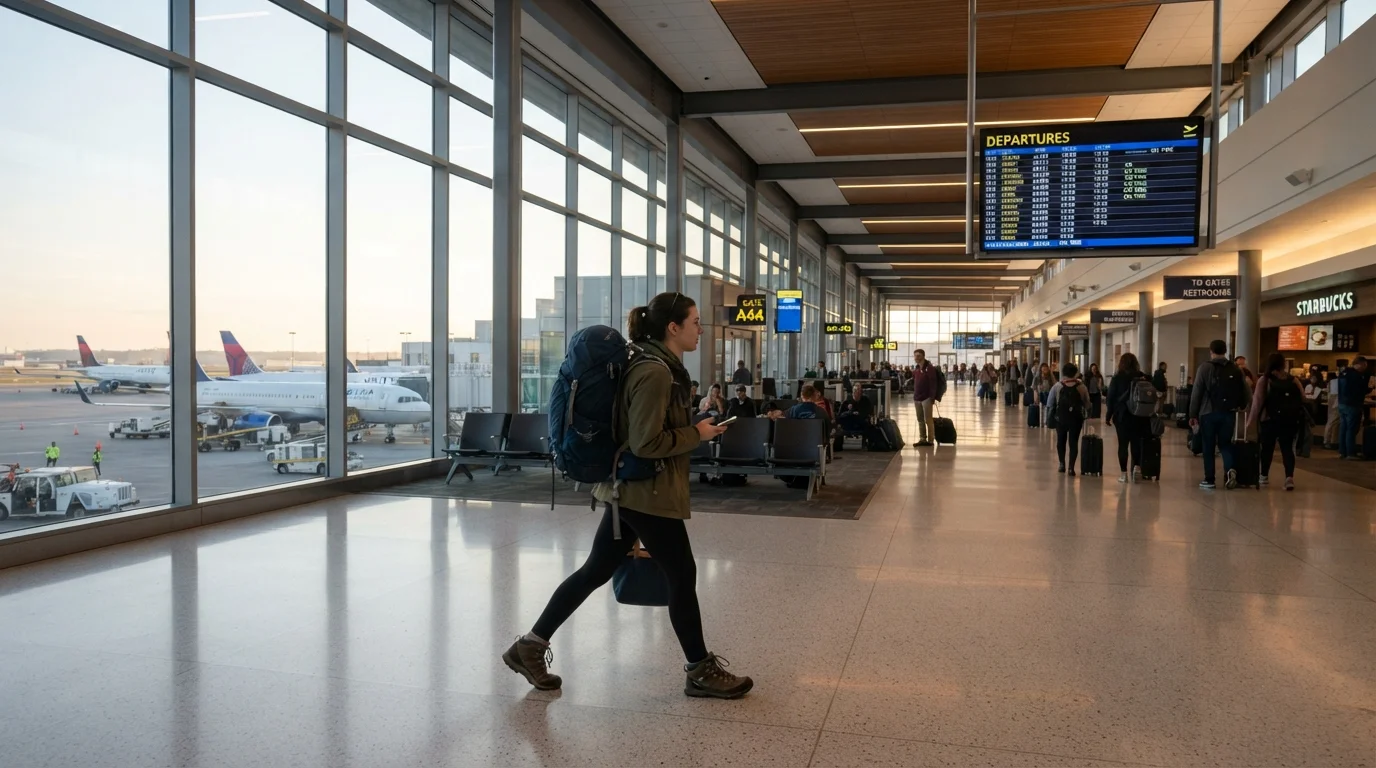
Photo credit: ArticlesHaven.net
In this article
How experienced travelers structure days in transit — managing energy, food, delays, and arrival routines — to arrive ready to explore.
Key Takeaways
- Pacing your travel day - not just your destination itinerary - reduces exhaustion and stress significantly.
- Building buffer time around connections and check-ins is one of the highest-leverage habits experienced travelers share.
- Eating, hydrating, and moving intentionally during transit helps you arrive functional rather than depleted.
- A simple arrival routine can cut the disorientation that ruins first days of a trip.
Why Transit Days Deserve Their Own Plan
Most travelers pour effort into what they'll do at a destination while treating the travel day itself as dead time to survive. That's a mistake. How you manage the hours in transit - on a plane, in a car, or between connections - directly shapes how much energy you have when you actually arrive.
A poorly managed travel day means you land exhausted, skipping your first evening or spending it recovering in a hotel room. A well-structured one means you step off the plane or out of the car ready to engage. The difference usually comes down to three things: pacing, logistics, and a recovery routine. If you're also working around limited days off, see our guide to traveling on a fixed schedule for how transit day planning fits into a tight calendar.
Core Practices for a Smoother Travel Day
These aren't rigid rules - they're field-tested habits that reduce friction and help you arrive in better shape.
Build at least 90 minutes of buffer around any connection or transfer.
Tight connections are the single biggest source of travel-day chaos. Delays, slow deplaning, long security lines, and unfamiliar terminals all compress time rapidly. A comfortable buffer converts a potential crisis into a mild inconvenience.
Eat a real meal before departure rather than relying on airport or in-flight food.
Airport food is expensive, often nutritionally poor, and not always available when you need it. Arriving at the airport already fed reduces decision fatigue and prevents the blood-sugar dips that amplify travel stress.
Stand up and walk briefly every 60-90 minutes during long flights or drives.
Sustained sitting reduces circulation, increases stiffness, and contributes to fatigue that compounds over hours. Regular movement - even a lap down the aisle or a gas station stretch - keeps your body functional for arrival.
Hydrate consistently throughout the travel day, prioritizing water over caffeine and alcohol.
Airplane cabin humidity is significantly lower than normal indoor environments, accelerating dehydration. Dehydration worsens headaches, fatigue, and cognitive fog - all of which undermine your first hours at a destination.
Keep your most essential items - ID, payment, medication, phone charger - in one consistent, accessible place.
Travel stress spikes when you can't quickly locate something critical. A fixed location for essentials removes the panic of digging through bags at boarding gates or customs lines.
Set a low-key arrival intention rather than a packed first-evening agenda.
Expecting to hit the ground running after a long transit day sets up disappointment when fatigue hits. Planning for a simple first evening - orientation walk, local meal, early sleep - means you actually start the trip feeling good.
Quick Actions You Can Take Before Your Next Trip
You don't need to overhaul your travel style all at once. A few targeted changes make an outsized difference on your next transit day.
For road trips specifically, logistics like fuel stops, overnight pacing, and driver fatigue follow their own rhythms - our road trip planning walkthrough covers those in detail.
Arrival Routines and Time Zone Recovery
What you do in the first two hours after arriving sets the tone for the whole trip. Experienced travelers tend to follow a loose but consistent arrival routine: locate accommodation, eat a real meal, get outside briefly for light exposure, and resist the urge to immediately cram in sightseeing.
The First-Hour Arrival Checklist
Confirm your accommodation address before you land, not after. Have your local payment or currency sorted before you need a taxi or transit card. If you're crossing time zones, get outside for 20-30 minutes of natural light as soon as possible - it's one of the more reliable signals for resetting your internal clock. Keep dinner simple and close to where you're staying.
Time zone shifts add a layer of complexity. Adjusting your sleep schedule even slightly before departure, and avoiding heavy alcohol on flights crossing multiple zones, helps your body recalibrate faster. For a deeper look at jet lag mitigation, see navigating time zone changes.
It's also worth resisting the temptation to pack your arrival day with activity. Over-scheduling a vacation - especially on day one - tends to backfire in ways that ripple through the rest of the trip.
Pacing Looks Different for Every Traveler
What counts as a 'comfortable' transit day varies widely based on your health, mobility, travel experience, and trip length. Families with young children, older travelers, and people managing chronic conditions may need more buffer, more frequent breaks, and simpler arrival plans than the averages described here. Adjust these practices to your actual situation rather than an idealized version of it.

Author
Articles Haven Editorial Contributor
Articles Haven Editorial Team is the collective byline for our editorial team and contributor network. Articles published under this byline or an editorial pen name are researched, written, and reviewed according to our editorial standards for clarity, consistency, and independence before publication.
View all articles →