
Hidden Fees That Quietly Undo a Good Deal
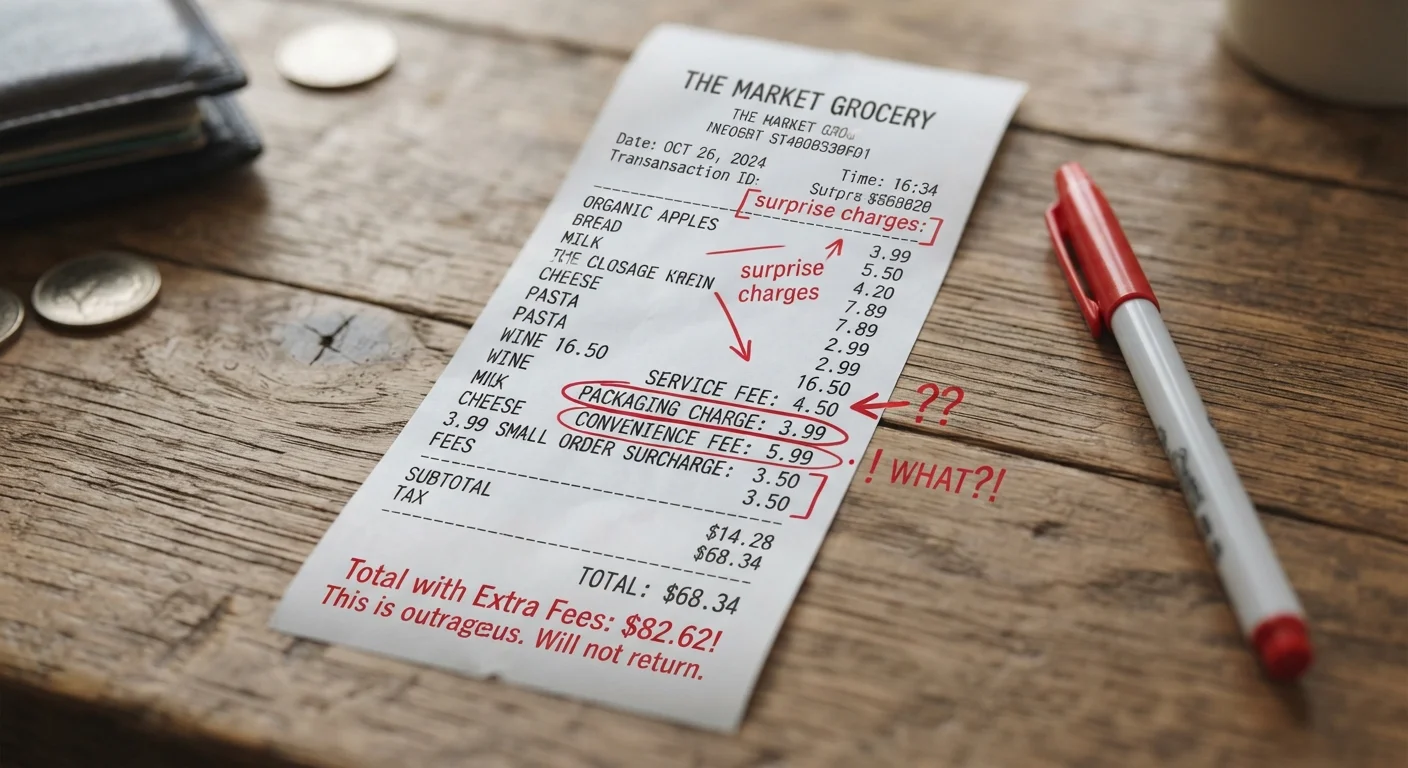
Photo credit: ArticlesHaven.net
In this article
Processing fees, handling charges, and add-on costs can erase the savings you thought you were getting. Learn where to look.
Key Takeaways
- Processing, convenience, and handling fees can add 5-20% to an advertised price.
- Many hidden fees are buried in checkout screens, fine print, or post-booking confirmations.
- Comparing base prices without accounting for fees leads to consistently poor value decisions.
- Reading the full cost breakdown before committing is the single most effective defense.
- Some fees are negotiable or waivable - but only if you know to ask.
Why Fees Consistently Catch Consumers Off Guard
Hidden fees aren't accidental - the way pricing is structured across most consumer categories reflects a deliberate strategy of leading with the lowest defensible number and revealing the full cost as late as possible in the decision process. By the time a shopper, traveler, or subscriber sees the real total, they've already invested time and emotional energy into the purchase.
This is a well-documented pattern in retail, hospitality, telecommunications, and automotive sales. The result is that comparing prices between options is often meaningless unless you're comparing fully loaded costs. A deal that looks 15% cheaper at first glance can easily cost more than the alternative once fees are counted.
The Advertised Price Is a Starting Point
Across retail, travel, telecom, and auto purchases, the number prominently displayed is almost never what you'll actually pay. Taxes, surcharges, service fees, and add-ons are routinely disclosed only at the final checkout screen or in a separate line-item breakdown. Treat every advertised price as an estimate until you've reviewed the full total.
Understanding which fees to look for - and where they typically hide - is the first step toward making comparisons that actually hold up. The mistakes below cover the most common categories where consumers lose savings they thought they'd locked in.
The Most Common Fee Traps - and How to Sidestep Them
Fee structures vary by industry, but the underlying mechanics repeat across categories. In each case, the core error is the same: evaluating a deal before confirming what it actually costs.
Comparing prices using only the headline number without checking for add-on fees.
Why it happens: Retailers and service providers deliberately lead with the most attractive figure. Shoppers often make mental commitments early and don't revisit the total when fees appear later.
Ignoring 'convenience' or 'processing' fees on ticket, reservation, and utility payment platforms.
Why it happens: These fees are often framed as standard and unavoidable, so consumers accept them without questioning whether alternatives exist.
Overlooking resort fees, destination charges, and hotel 'facility fees' when booking accommodation.
Why it happens: These fees are frequently excluded from the nightly rate displayed in search results, making a property look cheaper than it is. As the hotel bill explainer notes, mandatory charges often only appear on the final folio.
Accepting dealer add-ons and documentation fees at face value during a vehicle purchase.
Why it happens: The finance and insurance office of a dealership introduces fees late in a tiring negotiation process. Buyers who have already committed emotionally are less likely to push back. The dealership surprises guide covers this dynamic in detail.
Signing up for telecom or internet bundles without accounting for equipment rental, installation, and regulatory surcharges.
Why it happens: Bundle promotions advertise a monthly rate that excludes mandatory equipment fees and taxes, which can add $20-$40 per month. The true cost of bundles article breaks down where these gaps appear.
Assuming 'free shipping' means no additional cost to reach the deal's actual value.
Why it happens: Free shipping thresholds push consumers to add items they don't need to qualify, often spending more than the shipping cost itself. The free shipping cost breakdown outlines this trade-off.
A consistent habit of asking for the full itemized cost - before you commit, not after - is the most reliable way to avoid every mistake on this list. Many fees are disclosed somewhere in the checkout flow or contract; the challenge is knowing to look before momentum takes over.
For a closer look at how checkout totals inflate beyond expectations, the cart total explainer walks through the mechanics of last-minute charges across retail platforms. And if you're trying to filter genuine savings from promotional noise more broadly, the deal fatigue guide offers a useful framework.
Building a Pre-Commitment Checklist
The practical defense against hidden fees is procedural: slow down at the point where the total is first revealed and treat that moment as the beginning of your evaluation, not the end.
~$1,000+
Avg. annual resort fees at upscale US hotels
Industry analysis from travel consumer groups has found that mandatory resort fees at full-service US hotels can exceed $1,000 annually for frequent travelers.
Up to 30%
Fee-related markup on event ticket face value
Consumer advocacy organizations have documented service and processing fees on ticketing platforms that add 20-30% to the face value of event tickets.
$20-$40/mo
Typical equipment and surcharge gap on telecom bills
Equipment rental, regulatory surcharges, and taxes commonly push actual monthly telecom bills $20-$40 above the advertised promotional rate.
- Request the out-the-door price in any transaction involving negotiation - vehicle purchases, service contracts, and bundled subscriptions all qualify.
- Identify mandatory vs. optional fees. Documentation fees at dealerships and taxes on hotel stays are generally fixed. Resort fees, add-on warranties, and processing fees often are not - or alternatives exist.
- Compare fully loaded costs across competing options before making a final decision. Two products at the same base price can differ by 20% or more once fees are included.
- Check for fee-free payment methods. Some platforms waive processing fees for ACH transfers, direct billing, or in-person payment.
No checklist eliminates every surprise, but these steps consistently close the gap between what you expect to pay and what you actually spend. The Shopping Smarter hub has additional frameworks for comparing options before committing.

Author
Articles Haven Editorial Contributor
Articles Haven Editorial Team is the collective byline for our editorial team and contributor network. Articles published under this byline or an editorial pen name are researched, written, and reviewed according to our editorial standards for clarity, consistency, and independence before publication.
View all articles →