
What "Adventure Travel" Covers — and the Wide Spectrum Within It
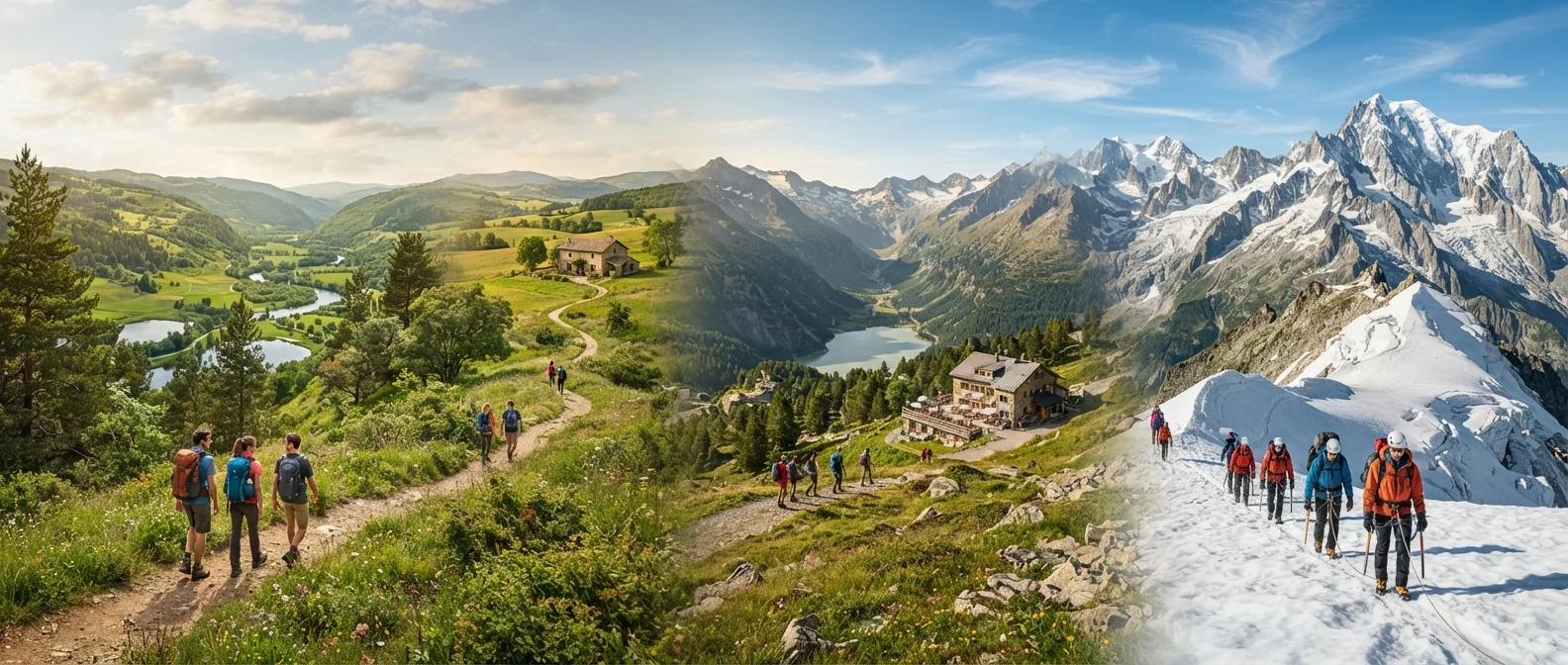
Photo credit: ArticlesHaven.net
In this article
Adventure travel isn't one thing. Understand the range from soft adventure to expedition-level trips and how destinations fit along that spectrum.
Key Takeaways
- Adventure travel spans a wide spectrum from low-effort soft adventures to demanding expedition-level trips.
- Soft adventure activities - like cycling tours or snorkeling - suit most fitness levels and require minimal experience.
- Hard adventure and expedition travel involve significant physical demands, specialized gear, and real risk.
- Destination, season, and group composition all affect where a trip lands on the adventure spectrum.
- Budget and logistics complexity increase substantially as trips move toward the expedition end of the scale.
The Spectrum: From Casual to Expedition
Adventure travel isn't a single thing - it's a spectrum. At one end, you have travelers who consider a half-day whale-watching tour or a vineyard cycling route an adventure. At the other, you have seasoned mountaineers planning multi-week ascents at altitude. Both are legitimate uses of the term, which is exactly why it can be confusing when planning a trip.
The most useful framework is to think in three rough tiers:
- Soft adventure: Low physical demand, guided structure, accessible to most fitness levels. Examples include snorkeling, scenic hikes, wildlife safaris, and cultural trekking tours.
- Hard adventure: Moderate to high physical demand, meaningful risk, often requires prior experience or training. Think multi-day backcountry trekking, technical rock climbing, or Class IV whitewater rafting.
- Expedition-level travel: Extended duration, remote environments, significant logistical complexity, and genuine physical and environmental hazard. High-altitude mountaineering, polar traversals, and multi-month wilderness journeys fall here.
Most everyday travelers sit comfortably in the soft-to-moderate range - and that still leaves an enormous variety of destination and activity choices.
65%
Travelers interested in outdoor or nature-based experiences
According to ATTA and Xola research, roughly two-thirds of travelers express interest in some form of outdoor or nature-based activity when choosing a trip.
3-5x
Cost increase from soft to expedition-level trips
Industry estimates suggest that expedition-level adventure travel - including guides, permits, and specialized gear - can cost three to five times more than comparable soft adventure itineraries.
42%
Adventure travelers who go without activity-specific insurance
Surveys of adventure travelers have found that a significant share travel without verifying whether their insurance covers specific high-risk activities, according to travel safety organizations.
How Destination and Season Shape the Adventure Level
The same destination can offer very different experiences depending on season, route, and how independently you travel. A well-marked trail in a national park on a clear summer day is a soft adventure. That same trail in early spring, with snowmelt and unstable terrain, can become a hard one requiring gear and experience.
This matters because many travelers choose destinations without accounting for seasonal conditions - and the gap between expectation and reality can be significant. Seasonal timing, weather windows, and local access restrictions are worth researching through official tourism boards or government travel advisories before committing to dates.
Official Sources for Conditions and Access
Trail closures, permit requirements, and entry restrictions can change with little notice. For US national parks, the National Park Service website publishes current access and permit information. For international destinations, the US State Department's travel advisory pages are a reliable starting point. Always verify conditions close to your departure date - not just at booking.
For a broader look at how destination type influences the nature of a trip, see our guide on city break vs. nature escape choices. And if you're evaluating coastal versus inland options through an activity lens, coastal vs. inland destination trade-offs covers those distinctions in detail.
Budget, Group Fit, and Complexity
Where a trip falls on the adventure spectrum directly affects its cost and planning complexity. Soft adventure trips - guided tours, eco-lodges, national park hiking - tend to have more predictable pricing and infrastructure. Expedition-level travel involves specialized gear, permits, professional guides, emergency evacuation plans, and insurance riders that most standard policies don't cover.
Match Your Trip to Your Actual Fitness Level
It's common to overestimate readiness for hard adventure, especially when marketing materials emphasize the highlights rather than the physical demands. Before booking, look for detailed day-by-day itineraries, elevation gain data, and honest operator descriptions of fitness requirements. A good outfitter will help you self-assess - and will tell you if a trip isn't the right fit.
Group composition matters too. A solo traveler with mountaineering experience has entirely different viable options than a mixed-ability group of six. If you're coordinating for multiple people, choosing a destination for group travel offers a practical framework for narrowing options everyone can realistically handle.
Budget planning for adventure travel also needs to account for the less obvious costs: trip-specific gear (which you may only need once), travel insurance that actually covers your activities, and contingency funds for itinerary changes driven by weather or access issues. These costs scale steeply as trip intensity increases. For a fuller picture of how planning complexity grows with trip length, see how trip planning scales from short to extended travel.
“Adventure travel, at its core, is about expanding your comfort zone - but the size of that expansion is entirely up to you. The spectrum exists precisely so travelers can find the level that challenges them without exceeding their actual capacity.”
— Shannon Stowell, CEO, Adventure Travel Trade Association
Adventure vs. Adjacent Terms Worth Knowing
Adventure travel often overlaps with - but isn't the same as - eco-tourism, wilderness travel, or experiential tourism. Eco-tourism specifically emphasizes low environmental impact and conservation principles, though it's a term that gets applied loosely. Understanding what eco-tourism actually means can help you evaluate whether a destination's marketing matches its actual practices.
The rural-vs-urban dimension also intersects with adventure in non-obvious ways. Some of the most demanding physical experiences - long-distance cycling, urban parkour, navigating megacities - happen in cities. But most of what we classify as adventure travel involves moving away from urban infrastructure, which brings both freedom and logistical responsibility. See our urban vs. rural trip comparison for how to think through that divide.
This article is for general informational purposes only. Travel conditions, access requirements, and safety considerations vary by destination and change over time. Always verify current conditions, entry requirements, and safety advisories with official government and tourism sources before traveling.
Frequently Asked Questions

Author
Articles Haven Editorial Contributor
Articles Haven Editorial Team is the collective byline for our editorial team and contributor network. Articles published under this byline or an editorial pen name are researched, written, and reviewed according to our editorial standards for clarity, consistency, and independence before publication.
View all articles →