
Overrated Travel Mistakes: When a Famous Destination Doesn't Match Expectations
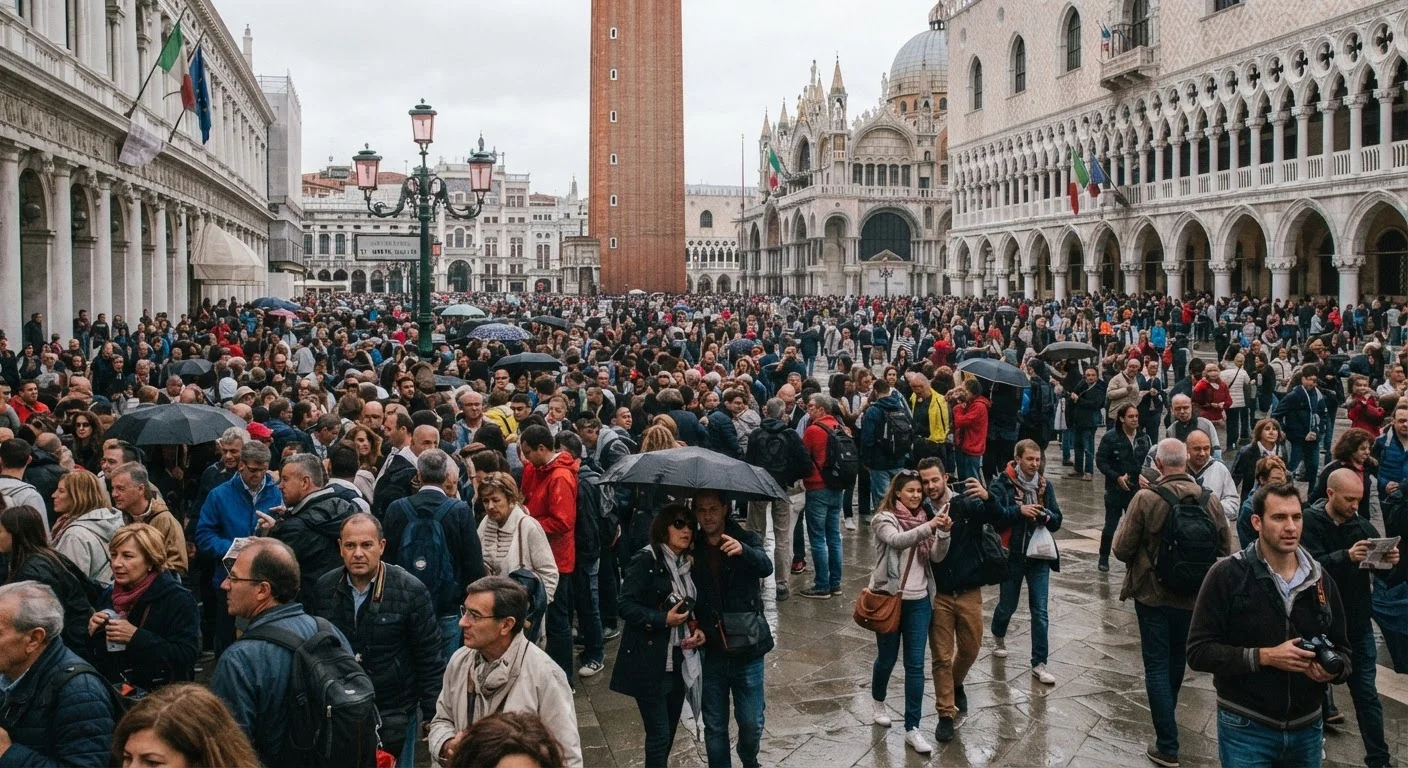
Photo credit: ArticlesHaven.net
In this article
Expecting Paris to feel like the movies is a common setup for disappointment. Here's how traveler expectations and reality tend to diverge at iconic spots.
Key Takeaways
- Media-fueled expectations frequently set travelers up for disappointment at famous destinations.
- Crowds, cost, and seasonal conditions dramatically shape the experience at iconic spots.
- Matching a destination's strengths to your travel style matters more than chasing prestige.
- Off-peak timing and realistic research can close the gap between expectation and reality.
Why Famous Destinations Underdeliver
There's a familiar pattern: a traveler spends months anticipating a famous destination - Paris, Rome, New York, Kyoto - arrives full of expectation, and comes home feeling vaguely let down. The place was fine. It just wasn't what they'd imagined. This isn't an unusual experience; it's arguably the norm at the world's most photographed locations.
The gap between expectation and reality at iconic destinations is driven by a few consistent forces: media that curates only the best angles, travel culture that treats fame as a proxy for personal fit, and trip structures that don't account for real-world conditions like crowds, costs, and seasonal shifts. Understanding where travelers most commonly go wrong is the first step toward building a trip that actually delivers.
~13M
Annual visitors to Venice, Italy
Venice regularly receives an estimated 13 million tourists per year into a city with fewer than 250,000 residents, according to figures cited by Italian municipal authorities.
60%+
Travelers who report destination disappointment
Multiple independent travel surveys have found that a majority of respondents felt at least one major destination didn't live up to pre-trip expectations, with crowds cited as the leading reason.
The Most Common Expectation Mistakes - and How to Avoid Them
The mistakes below aren't about poor planning in the logistical sense. They're about misaligned assumptions - the kind that feel obvious in hindsight but are easy to miss when you're excited about a trip. Each one is correctable with a shift in how you evaluate a destination before committing.
Treating a destination's fame as a guarantee of personal enjoyment.
Why it happens: Travel media, social feeds, and word-of-mouth consistently showcase the highlight reel - perfect lighting, no crowds, effortless magic. Travelers reasonably assume the experience will feel the same in person.
Visiting during peak season without accounting for what crowds actually feel like on the ground.
Why it happens: Peak season often aligns with school holidays and favorable weather, making it the default choice. Travelers underestimate how much crowd density degrades the very experience they came for.
Overpacking the itinerary to maximize a famous destination's 'must-sees.'
Why it happens: When a place is renowned for dozens of attractions, travelers feel pressure to see all of them. The fear of missing out drives scheduling that leaves no room to breathe.
Assuming a famous destination will fit any budget without advance research.
Why it happens: Iconic cities and landmarks appear frequently in media without price context. Travelers often discover accommodation, dining, and entry fees are significantly higher than anticipated only after arriving.
Ignoring travel style fit when selecting a famous destination.
Why it happens: Prestige and peer influence drive many destination choices. Someone who prefers quiet nature experiences may still book a dense urban landmark city because it feels like the 'right' trip to take.
Hype Is Not a Travel Itinerary
Building a trip entirely around a destination's reputation - without researching crowd levels, seasonal conditions, or costs - is one of the most common sources of travel disappointment. A landmark's fame says nothing about whether it matches your budget, pace, or interests. Always layer in practical research before committing significant time or money.
Recalibrating Without Giving Up on Great Travel
None of this means avoiding famous destinations. Many iconic spots are genuinely extraordinary - the issue is arriving with expectations calibrated by fantasy rather than reality. The traveler who researches Venice's seasonal crowd patterns, accepts its high costs, and focuses on a single neighborhood rather than a checklist tour often has a far richer experience than one who tries to see everything in two days.
Seasonal Conditions Can Upend Any Plan
Many famous destinations are only pleasant during a narrow window of the year. Visiting the Amalfi Coast in August, for instance, means extreme crowds and inflated prices. Visiting in November may mean reduced services and grey weather. Check seasonal realities - not just availability - before booking. Official tourism boards often publish candid seasonal guides.
A more useful framework: evaluate any destination against your travel style, realistic budget, and the time of year you can actually go - not against a curated image. For deeper guidance on structuring trips that work in practice, the Trip Planning Tips hub covers itinerary building, packing, and on-the-ground essentials. And if logistical planning is part of your concern, understanding connecting itinerary risks before you book can prevent a different kind of disappointment entirely.
The traveler most likely to enjoy a famous destination is the one who went in knowing what it actually is - not what the photographs promised.

Author
Articles Haven Editorial Contributor
Articles Haven Editorial Team is the collective byline for our editorial team and contributor network. Articles published under this byline or an editorial pen name are researched, written, and reviewed according to our editorial standards for clarity, consistency, and independence before publication.
View all articles →