
Sizing Charts That Lie: Avoiding the Fit Mistakes That Lead to Returns
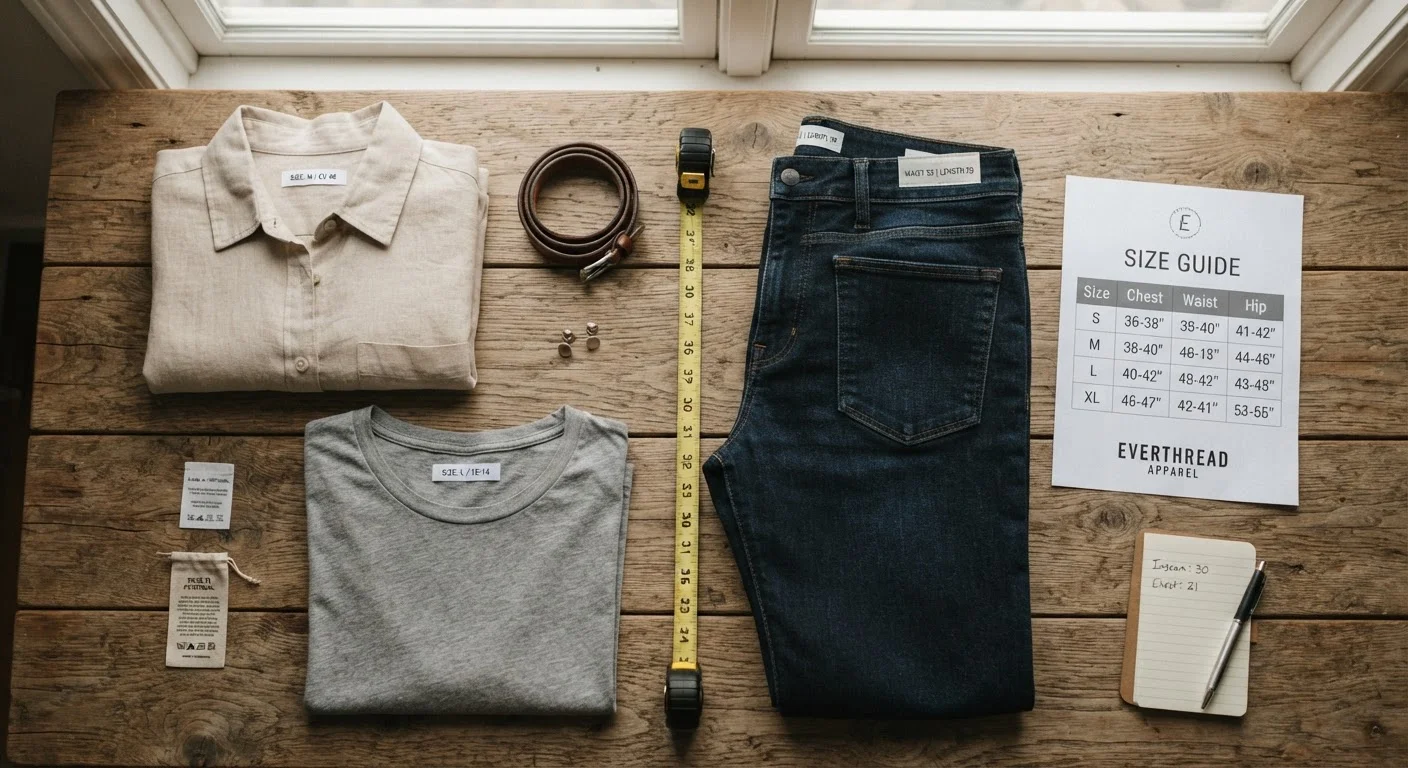
Photo credit: ArticlesHaven.net
In this article
Brand sizing varies widely and size charts often omit key details. Here's what to check — and what questions to ask — before ordering clothing or footwear.
Key Takeaways
- Brand sizing varies widely; a 'medium' in one label can fit like a large in another.
- Size charts often omit fabric stretch, construction style, and intended fit type.
- Your own body measurements - not your usual size - are the most reliable ordering guide.
- Customer reviews frequently surface fit issues that product pages don't disclose.
- Understanding a retailer's return policy before ordering reduces the cost of sizing mistakes.
Why Size Charts So Often Miss the Mark
Clothing sizes in the US are not standardized. Unlike units of weight or voltage, there is no federal mandate requiring that a size 8 dress or a men's medium shirt fit within defined measurements. Each brand sets its own sizing, and those standards shift over time - a practice sometimes called "vanity sizing," where labels trend smaller to make shoppers feel good about the number. The result is that the same shopper can be a medium in one brand and an extra-large in another.
Size charts are supposed to bridge this gap, but many are incomplete. They may list chest and waist measurements without noting whether those are body measurements or garment measurements - a critical distinction. A garment chest measurement of 40 inches doesn't mean the chest fits a 40-inch body; it tells you how wide the fabric is, which should be larger than your actual measurement to allow movement. This "ease" is almost never spelled out on product pages.
For shoppers comparing options across multiple retailers or brands, this inconsistency creates real friction. See our checklist for comparing products side by side - it applies just as much to sizing details as it does to specs.
The Mistakes That Cause Most Clothing Returns
Most fit-related returns trace back to a handful of predictable errors. Knowing what they are before you order puts you in a much stronger position.
Ordering based on your usual size label rather than actual body measurements.
Why it happens: Shoppers develop a mental shorthand - 'I'm a medium' - and apply it universally without accounting for brand differences.
Ignoring whether the chart lists body measurements or garment measurements.
Why it happens: Product pages rarely explain the difference, and the labels look identical at a glance.
Not accounting for fabric type and stretch when choosing a size.
Why it happens: Shoppers focus on the number and miss the material composition listed further down the page.
Skipping customer reviews when assessing fit.
Why it happens: Reviews feel like extra effort after a size chart check, so shoppers skip them when short on time.
Assuming international size conversions are exact and consistent.
Why it happens: Conversion charts present a clean number, which implies precision that often doesn't exist in practice.
When a return does become necessary, understanding the retailer's policy matters. Return windows, restocking fees, and exclusions vary significantly, and some categories - swimwear, intimates, final-sale items - are often excluded altogether. Check the policy before you check out.
Final-Sale Items and Size Risk
Many retailers mark clearance or discounted items as final sale - no returns, no exchanges. Ordering a final-sale item in an unfamiliar size is a high-risk move. If you can't verify fit confidently from measurements and reviews, consider whether the savings justify the possibility of keeping something unwearable.
How to Actually Use a Size Chart (and When to Look Elsewhere)
A size chart is only as useful as the inputs you bring to it. Start by taking your own measurements - chest, waist, hips, and inseam for bottoms - using a soft measuring tape while wearing minimal clothing. Write them down. Then compare them to the brand's chart rather than reaching for your usual size label.
If the chart only lists garment measurements, add 1-2 inches of ease for fitted styles and 3-4 inches for relaxed or structured garments. Still unsure? Scroll to customer reviews and filter by shoppers who list their measurements - this is often more accurate than the official chart. Many product pages now include community fit notes; treat those as real data.
~40%
Online apparel returns attributed to poor fit
Industry estimates consistently place fit and sizing as the leading driver of apparel returns in e-commerce, accounting for roughly 40% of return reasons.
2-3 sizes
Typical size variation across major brands
Consumer testing by publications like Consumer Reports has found that nominally identical sizes can vary by two to three full sizes across different clothing brands.
For footwear specifically, measure both feet (they're often slightly different sizes) and check whether the brand's chart uses US, EU, or UK sizing - conversions aren't always exact. Width is frequently omitted from size charts entirely, even though it's the primary driver of discomfort for many people.
Sizing inconsistencies are one version of a broader problem with how product information is presented online. The same critical reading skills apply across categories - specs and labels often omit what matters most.
Measure Before Every New Brand Purchase
Body measurements change over time, and so do brand size charts - even within the same label. Making a habit of measuring yourself before ordering from any brand you haven't bought from in the past year is the single most effective way to reduce returns. A soft measuring tape costs very little and takes less than two minutes to use.

Author
Articles Haven Editorial Contributor
Articles Haven Editorial Team is the collective byline for our editorial team and contributor network. Articles published under this byline or an editorial pen name are researched, written, and reviewed according to our editorial standards for clarity, consistency, and independence before publication.
View all articles →