
How Consumer Specs Are Often Misleading—and What to Look For Instead
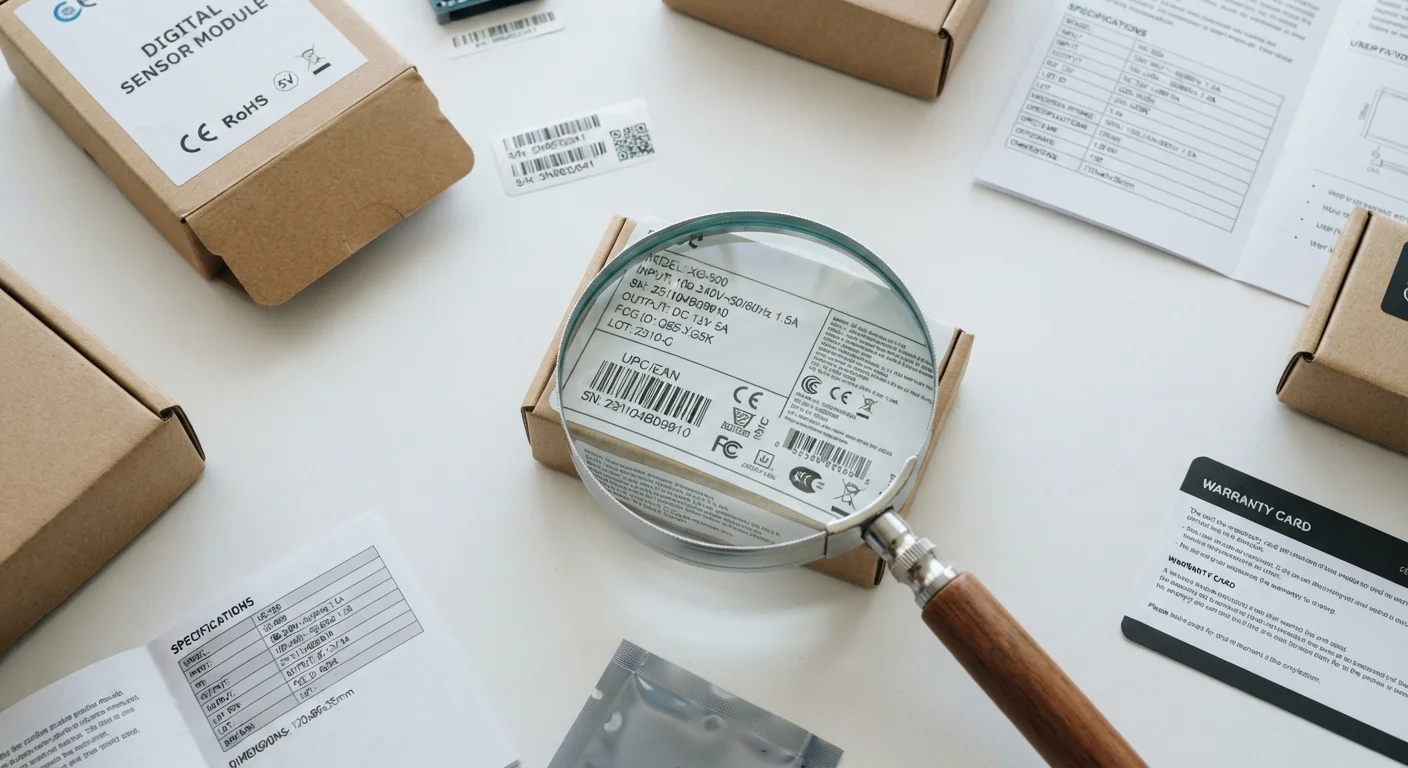
Photo credit: ArticlesHaven.net
In this article
Wattage, megapixels, thread count—many headline specs don't tell the full story. Learn to read product labels more critically.
Key Takeaways
- Megapixel counts, wattage ratings, and thread counts are frequently misleading marketing figures.
- Context-dependent specs-like real-world battery life-matter more than peak laboratory numbers.
- Independent test results and third-party reviews often reveal the gap between spec and performance.
- Asking what a spec measures in practice, not just on paper, is the most effective buyer's habit.
Why Headline Specs Exist (And Who They're Designed For)
Every product box competes for attention on a shelf or a search results page. Manufacturers have a strong incentive to surface numbers that look impressive at a glance-whether or not those numbers reflect what you'll actually experience using the product. The result is a culture of specmanship: loading a listing with figures that are technically accurate but functionally misleading.
Understanding this dynamic doesn't require engineering knowledge. It requires one reframing question: does this number describe what the product does for me, or does it describe what the product does under ideal conditions that don't apply to my life?
The myths below address the most common offenders. For a broader framework on decoding the numbers once you've found them, the guide to reading spec sheets without jargon is a useful companion. And if you're shopping for a TV specifically, the specs that actually matter for televisions covers which numbers genuinely affect picture quality.
Myth
More megapixels means a better camera. A 108MP phone camera must outperform a 12MP one.
Fact
Sensor size, lens quality, and image processing software have far more impact on photo quality than megapixel count alone.
Megapixels measure resolution-how many individual pixels the sensor captures. But pixel size matters just as much as pixel count. A camera with fewer, larger pixels typically collects more light per pixel, producing cleaner images in low-light conditions. A densely packed 108MP sensor on a small phone chip can produce noisier photos than a well-designed 12MP sensor with better optics and processing. Resolution only becomes a meaningful advantage when you're printing large-format images or doing heavy cropping-situations most phone users never encounter.
Myth
Higher wattage in a speaker or amplifier means louder, better sound.
Fact
Wattage describes power handling, not sound quality. Speaker sensitivity and driver design are more relevant to real-world volume and clarity.
Manufacturers measure and report wattage in different ways-peak watts, RMS (root mean square) watts, and program watts all produce different numbers for the same device. A speaker rated at 200 peak watts may be driven by far less continuous power in practice. Meanwhile, speaker sensitivity (measured in decibels at one watt, one meter) determines how efficiently a speaker converts power into sound. A high-sensitivity speaker at lower wattage can outperform a low-sensitivity speaker at higher wattage in practical listening environments.
Myth
Thread count is the best indicator of bed sheet quality. Higher thread count always means softer, more durable sheets.
Fact
Fiber type and weave construction matter more than thread count. Inflated counts using multi-ply yarns can indicate lower-quality sheets, not higher.
Some manufacturers boost thread count artificially by counting each ply of a twisted yarn as a separate thread. A sheet with a 600-thread count built from low-quality multi-ply cotton may feel rougher and wear out faster than a 300-thread count sheet woven from long-staple Egyptian or Supima cotton. Industry and textile researchers have noted that the quality of the fiber itself-its staple length and the weave pattern-predicts durability and softness more reliably than the number printed on the packaging.
Myth
Battery life ratings on laptops and phones reflect real-world usage.
Fact
Manufacturers typically test battery life under controlled conditions-low screen brightness, minimal background activity-that don't reflect typical use.
A laptop advertised at "up to 20 hours" of battery life is usually measured with screen brightness near minimum, Wi-Fi off, and no resource-intensive applications running. In normal use-browsing the web, streaming video, or running productivity software-battery life commonly falls to 50-70% of the advertised figure. When comparing battery claims, look for third-party benchmarks from technology publications that test under standardized real-world conditions, such as web browsing at consistent brightness levels.
Myth
A higher-speed internet plan always delivers faster browsing and streaming for everyday use.
Fact
For most household streaming and browsing tasks, connection reliability, latency, and router quality affect perceived speed more than raw Mbps ratings.
Advertised internet speeds are theoretical maximums shared across all devices on a connection at a given moment. For standard HD streaming, most platforms require well under 25 Mbps per stream. Households with modest plans but stable connections and capable routers often outperform households with faster plans plagued by high latency or signal interference. When evaluating internet plans, factors like upload speed, consistency during peak hours, and the quality of included or purchased equipment deserve more weight than the headline download number.
What to Prioritize When Specs Don't Tell the Whole Story
Once you recognize that headline numbers can mislead, the practical question becomes: what should you look at instead? A few consistent habits cover most categories.
50-70%
Typical real-world battery life vs. advertised
Independent technology reviewers consistently find that laptops and phones deliver roughly half to two-thirds of manufacturer-rated battery life under normal usage conditions.
~25 Mbps
Bandwidth needed for HD streaming per stream
Major streaming platforms publicly document that standard HD streaming requires well under 25 Mbps, making very high-speed plan upgrades unnecessary for most household viewing habits.
- Seek real-world test results. Independent reviewers-journalists, consumer labs, enthusiast communities-run products under normal conditions and publish results that diverge substantially from box specs. Battery life tested at medium brightness, audio measured at listening volume, and fabric durability after repeated washing all tell a truer story.
- Compare apples to apples. If one product's speed is measured under maximum load and another's is measured at idle, the numbers aren't comparable. Checking conditions before comparing any two products can prevent this trap.
- Read the fine print. Terms like "up to," "peak," and "under optimal conditions" are signals that the advertised number is a ceiling, not an average. Spotting vague product language before it costs you walks through this kind of hedging language in detail.
- Weight your needs. A camera with a lower megapixel count may produce better photos for your use case than a higher-count competitor if its sensor and lens are superior. Match the spec to your actual use, not to an abstract ideal of "more."
Don't Let a Single Number Drive Your Decision
No single spec-however prominent on the packaging-should be the sole basis for a purchase decision. Products are systems, and a weak component can undercut an otherwise impressive number. Cross-reference headline specs with at least one independent test or review before committing to a purchase, especially for higher-priced items.
For a broader look at shopping assumptions that quietly cost money, common shopping myths that cost real money covers the belief patterns that make spec inflation so effective. And if pricing tiers are part of your decision, what you actually gain across electronics price tiers clarifies when spending more delivers proportional value-and when it doesn't.

Author
Articles Haven Editorial Contributor
Articles Haven Editorial Team is the collective byline for our editorial team and contributor network. Articles published under this byline or an editorial pen name are researched, written, and reviewed according to our editorial standards for clarity, consistency, and independence before publication.
View all articles →