
Seasonal Sales Calendar: When Different Product Categories Typically Drop in Price
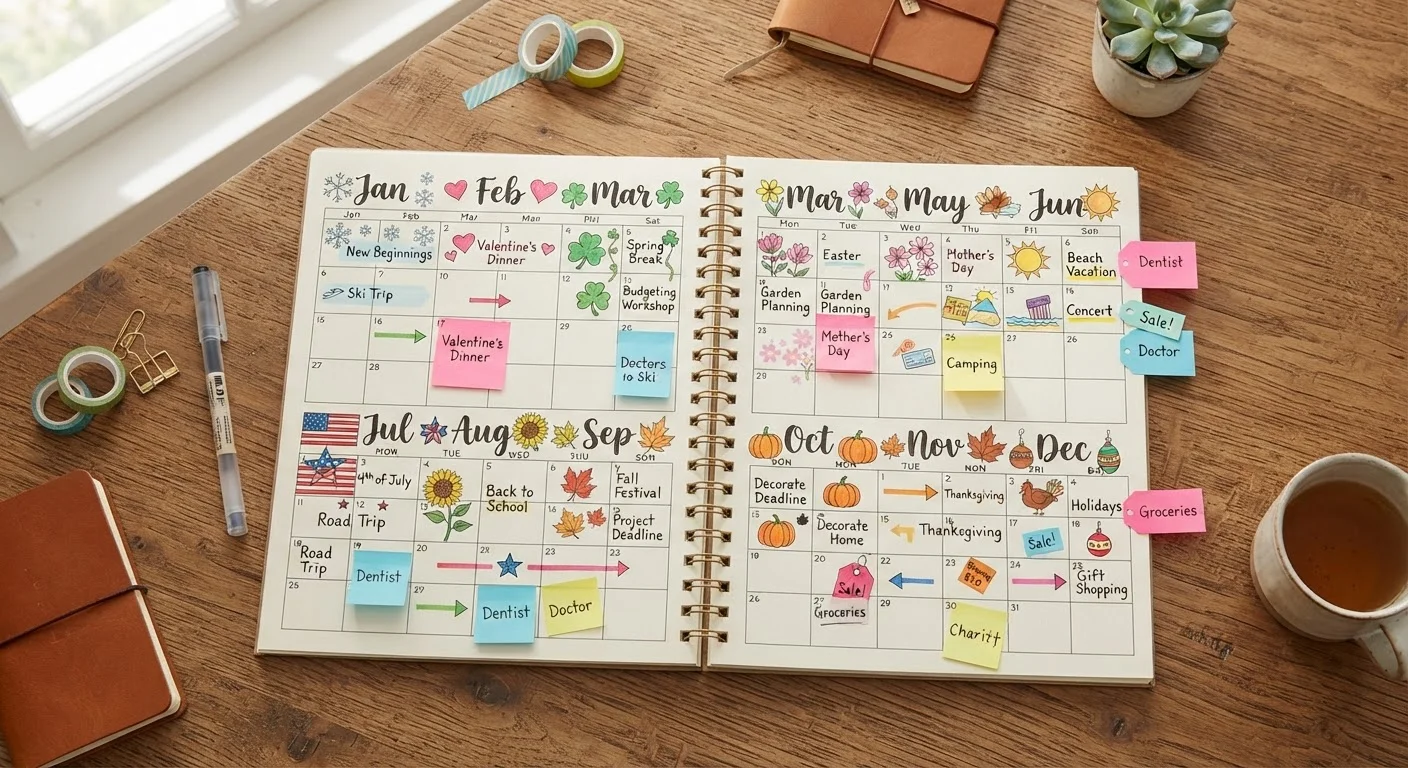
Photo credit: ArticlesHaven.net
In this article
Certain categories follow predictable pricing cycles throughout the year. This reference covers which months tend to bring lower prices across major categories.
Why Pricing Follows Predictable Cycles
Retail pricing is not random. Most categories follow markdown patterns tied to inventory cycles, seasonal demand shifts, and the arrival of new product lines. Understanding this rhythm helps you avoid paying peak prices on purchases you could plan weeks or months ahead.
The core driver is simple: when demand is high, prices hold firm. When demand softens - either because a season is ending or because a new model is arriving - retailers need to move inventory, and prices typically follow. This is covered in more depth in How Retail Pricing Cycles Work.
The calendar below maps the general windows when major US product categories tend to see price reductions. These are patterns drawn from broadly observed retail behavior - not locked-in schedules. Specific timing will vary by retailer, region, and year.
| Best months for major appliances | September-October and January (Retail industry general pattern; varies by retailer) |
| Best months for winter apparel | January-February (Post-holiday clearance cycle) |
| Best months for outdoor furniture | August-September (End-of-season retail clearance) |
| Best months for consumer electronics | November and January (Holiday sales and post-holiday inventory clearance) |
| Best months for mattresses | February, May, and September (Historically tied to holiday weekends with promotional activity) |
| Best months for automobiles | October-December (Model-year rollover and end-of-year sales targets) |
Category-by-Category Seasonal Breakdown
Apparel and Footwear
Winter clothing typically hits its lowest prices in January and February, as stores clear out cold-weather inventory to make room for spring lines. Summer apparel follows the same logic, with markdowns arriving in July and August. If you can tolerate buying a season ahead (or a season behind), apparel is one of the most predictable categories for off-season savings. For a broader look, see Shopping Off-Season.
Consumer Electronics
November is the most activity-heavy month for electronics pricing, driven by holiday promotional events. A secondary window appears in January, when post-holiday inventory clears and retailers reset. New TV models typically launch in spring, making late winter a reasonable time to find prior-generation sets at lower prices.
Major Appliances
Labor Day weekend (early September) and the weeks following have historically been active periods for appliance promotions. The clearest pattern, though, tends to fall in September-October, when manufacturers roll out new models, and in January, when holiday-adjacent promotions wind down. Presidents' Day weekend (February) is another commonly cited window.
Outdoor and Patio Furniture
Demand for outdoor furniture peaks in spring and early summer. By August and September, retailers are clearing floor space for fall and winter merchandise. This end-of-season window is one of the more reliable off-season buying opportunities across all home categories.
Mattresses and Bedding
Mattress pricing activity tends to cluster around holiday weekends - particularly Presidents' Day (February), Memorial Day (May), and Labor Day (September). These have historically been among the most promotional periods for this category, though the deals vary significantly by retailer.
Automobiles
New model years typically arrive at dealerships in the fall, making October through December a period when prior-year vehicles may be priced more aggressively to clear inventory. End-of-quarter months (March, June, September, December) can also see increased dealer motivation to meet sales targets. This is a general tendency - not a guarantee of specific pricing outcomes.
These Are Patterns, Not Guarantees
Retail pricing is influenced by supply chains, economic conditions, and individual retailer strategy - all of which can shift from year to year. The windows listed here reflect general historical tendencies across US retail. Always verify current pricing before making a purchase decision, and consider that a listed 'sale price' isn't always the lowest that item has reached.
Using This Calendar Without Falling Into Common Traps
Knowing when prices historically drop is useful, but it's only part of the equation. A common mistake is treating a "sale" as validation for a purchase that wasn't planned in the first place. The Real Cost of Impulse Buying During Sales Events covers how promotional framing can work against your actual savings goals.
A few practical checks worth applying to any planned purchase:
- Is the price actually lower than recent history? Price-tracking browser extensions can help you verify a claim against actual price history before buying.
- Can you wait the full window? If a category's best prices arrive in January, buying in December defeats the purpose.
- Does the item need to be this year's model? For appliances and electronics especially, prior-model inventory often functions identically at a lower price point.
It's also worth knowing that if you buy just before a sale window opens, some retailers will credit the difference - see How Price Adjustment Policies Work for details on when and how to request one.
Clearance cycle
The predictable period when retailers mark down existing inventory to make room for new stock. These cycles typically align with model-year or seasonal changeovers.
Seasonal pricing
Price fluctuations tied to demand patterns throughout the year. Products in high demand during a given season generally command higher prices during that window.
Off-season buying
Purchasing a product category outside of its peak demand period, when inventory is higher and retailers are more motivated to move stock at reduced prices.
Model-year rollover
The period when manufacturers introduce updated versions of a product, prompting retailers to discount the prior version to clear shelf or lot space.
January
Peak month for winter clothing clearance
Most US retailers begin post-holiday apparel markdowns in early January as spring inventory arrives.
~30-40%
Typical off-season discount on patio furniture
Industry observers generally note late-summer clearance discounts in this range, though exact figures vary by retailer.
November
Highest volume month for consumer electronics deals
Holiday promotional events concentrated in November make it one of the most active months for electronics pricing activity.

Author
Articles Haven Editorial Contributor
Articles Haven Editorial Team is the collective byline for our editorial team and contributor network. Articles published under this byline or an editorial pen name are researched, written, and reviewed according to our editorial standards for clarity, consistency, and independence before publication.
View all articles →