
Shopping Off-Season: Categories Where Timing Dramatically Affects Price
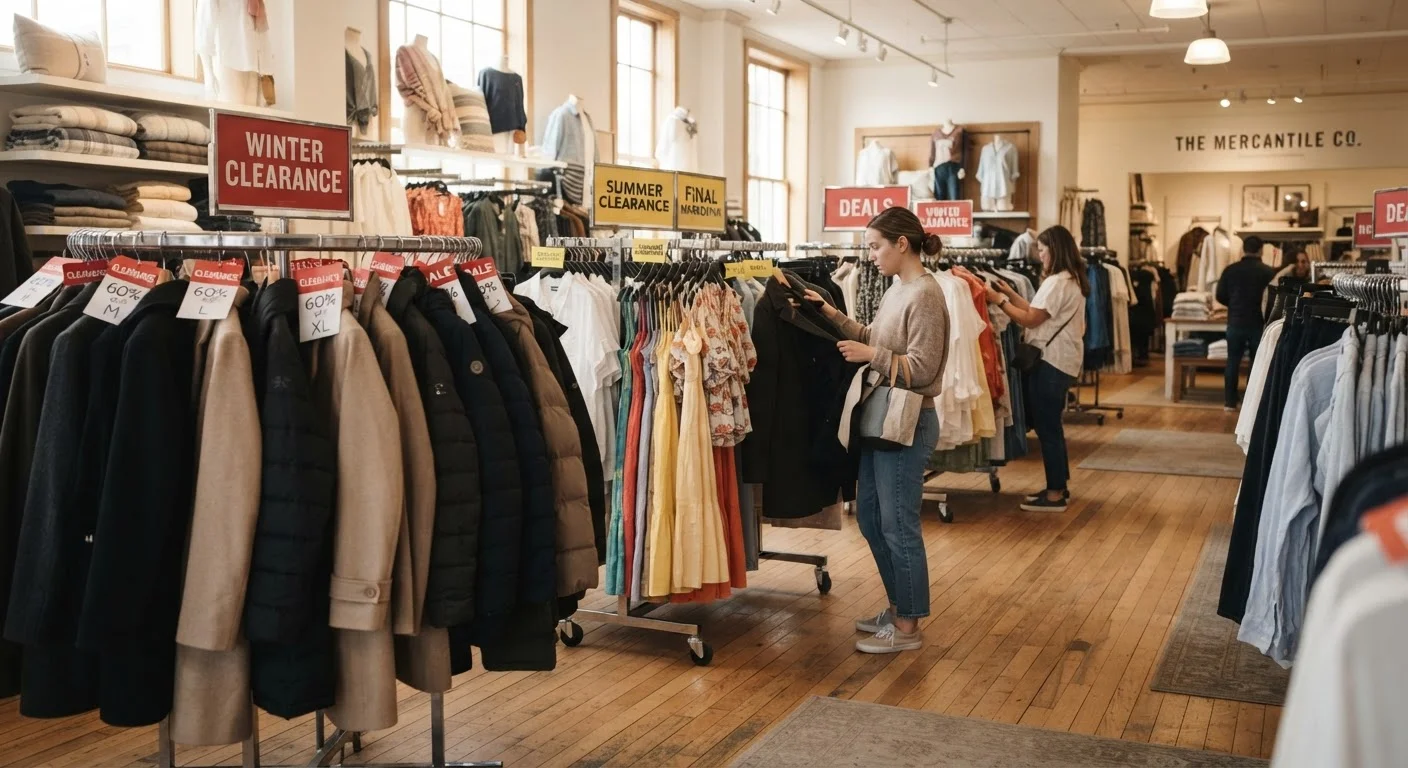
Photo credit: ArticlesHaven.net
In this article
From apparel to appliances, buying out of season can cut costs significantly. Here's where the timing advantage is most pronounced.
Key Takeaways
- Retail pricing follows predictable seasonal patterns - knowing those cycles is itself a savings tool.
- The discount advantage is strongest in categories with hard inventory deadlines like apparel and outdoor furniture.
- Off-season buying requires patience and planning ahead, but quality doesn't decrease with the price tag.
- Some categories, such as appliances and mattresses, follow promotional calendars rather than weather cycles.
- Impulse buying during peak season often costs significantly more for identical items available months later.
Why Timing Is a Pricing Variable, Not an Accident
Retailers don't price randomly. Every markdown is a calculated response to inventory pressure, demand cycles, and shelf space constraints. When a product's peak selling window closes, stores have a structural incentive to move remaining stock - and that incentive gets passed on to buyers willing to wait.
Understanding which categories operate on the sharpest seasonal curves gives you a reliable framework for planning purchases rather than reacting to whatever's on sale right now. The shopping smarter approach is less about catching lightning in a bottle and more about recognizing which windows open on a schedule.
The categories below follow the most pronounced off-season pricing patterns - where the timing advantage is real, durable, and worth planning around.
Apparel and Footwear
Clothing follows one of the most predictable off-season pricing curves in retail. Winter coats, boots, and heavy sweaters typically hit their lowest prices in late January and February, once holiday demand is gone and spring inventory is arriving. Summer apparel - swimwear, shorts, lightweight dresses - tends to clear out deeply in August and September.
The trade-off is straightforward: you're buying for next year's use. The quality is unchanged, and for classic styles with low trend risk, this is one of the cleanest wins in consumer timing. Sizing availability narrows as clearance progresses, so acting earlier in the clearance window typically gives you more options at only marginally higher prices.
Winter coats bought in February often cost a fraction of what they did in November - same coat, different timing.
Outdoor and Patio Furniture
Outdoor furniture carries high storage costs for retailers. Once summer ends, stores actively want this merchandise off their floors. Late August through October tends to bring significant markdowns on patio sets, grills, and outdoor décor as retailers prepare for holiday merchandise. By late September, reductions can be substantial - but inventory will be thinning.
The calculus here depends on your storage situation. If you have a garage or basement, buying a patio set in fall for use the following spring is a straightforward financial move. If storage is limited, the savings may not offset the inconvenience.
Outdoor furniture retailers need the floor space back - that pressure works in the buyer's favor every fall.
Winter Sports and Recreation Equipment
Ski gear, snowboards, cold-weather hiking equipment, and ice skates follow a seasonal demand curve that benefits patient buyers enormously. Late winter - typically February through March - is when specialty retailers begin clearing seasonal inventory ahead of spring merchandise. Prices on ski jackets, boots, and hardware often drop considerably compared to fall pre-season pricing.
Fitness equipment that's weather-dependent (sleds, snow blowers) follows a similar but slightly earlier pattern, as retailers are eager to reclaim floor space before spring gardening merchandise arrives. If your equipment isn't broken, waiting until post-peak season to replace it is rarely a mistake.
Ski gear bought in March costs less than the same gear bought in October - the mountain doesn't care when you paid.
Large Appliances
Unlike weather-driven categories, appliances follow a promotional and model-year calendar. The period around major holidays - particularly Memorial Day, Labor Day, and Black Friday - tends to bring the year's most competitive pricing, as does the late-winter window when new models arrive and retailers need to move prior-year inventory.
Refrigerators, dishwashers, and washing machines rarely go on the kind of dramatic clearance that apparel does, but the difference between peak-demand pricing and promotional-window pricing can still be meaningful on big-ticket items. The seasonal sales calendar provides useful reference points for these windows.
Appliance pricing is tied to model-year cycles and promotional calendars, not just the weather outside.
Garden and Landscaping Supplies
Gardening supplies - tools, planters, soil, seeds, decorative stone - tend to be deeply discounted starting in late summer and through early fall, as retailers close out seasonal departments. Perennial plants may also be available at reduced prices late in the season, though selection and plant health vary.
For tools and hardscape items (edging, planters, raised beds), the late-season discount is typically straightforward: the same product at a lower price. For live plants, some judgment is required - a stressed late-season plant may need extra care to establish before winter.
Garden tools and planters are the same in September as they are in May - but the price often isn't.
Air Conditioning and Cooling Equipment
Window air conditioners, portable cooling units, and fans tend to see the sharpest clearance pricing in September and October in most US regions. Retailers who stocked up for summer heat need to clear floor space for holiday merchandise, creating genuine pricing pressure on anything cooling-related.
For a consumer willing to store a window unit through winter, buying in fall for next summer's use is one of the more straightforward off-season plays - especially in regions where summer heat is a reliable annual event. The product itself changes very little year over year in this category.
A window AC unit is just as effective when bought in October as in July - with a noticeably smaller price tag.
Making Off-Season Shopping Work for You
The practical challenge isn't knowing that prices drop - it's structuring your purchasing calendar to take advantage. A few habits make this much easier over time.
Build a Purchase Calendar, Not a Wish List
Rather than tracking items you want impulsively, note the category and the general timing window when prices typically soften. Revisit the list during those windows. This approach makes off-season buying a habit rather than a lucky coincidence. It also helps avoid the impulse buying trap that flash sales and peak-season urgency tend to create.
Storage capacity matters in categories like outdoor furniture and winter apparel. If you're buying a patio set in October, you need somewhere to put it until spring. Factor that into your calculation - a deal that creates a storage problem may not be the deal it appears.
It's also worth distinguishing between categories that follow weather cycles and those that follow promotional calendars. Appliances and mattresses, for example, tend to see steeper discounts around specific retail events (holiday weekends, model-year changeovers) rather than strict seasons. The month-by-month retail cycle guide breaks these patterns down in detail.
Finally, off-season timing is only one variable. How a discount is framed - percentage vs. dollar amount - affects how good a deal actually is. See percentage off vs. dollar off for a clearer way to evaluate what you're actually saving before committing.
Off-Season Applies to Travel, Too
The same pricing logic that governs retail goods applies to travel - flights, hotels, and destinations all carry seasonal demand curves. If you're open to flexible travel timing, the trade-offs look similar: lower cost, fewer crowds, but sometimes limited availability or different conditions. The trip timing guide covers how this plays out across flights and hotels specifically.

Author
Articles Haven Editorial Contributor
Articles Haven Editorial Team is the collective byline for our editorial team and contributor network. Articles published under this byline or an editorial pen name are researched, written, and reviewed according to our editorial standards for clarity, consistency, and independence before publication.
View all articles →