
Consumer Protection Rights Every US Shopper Should Know
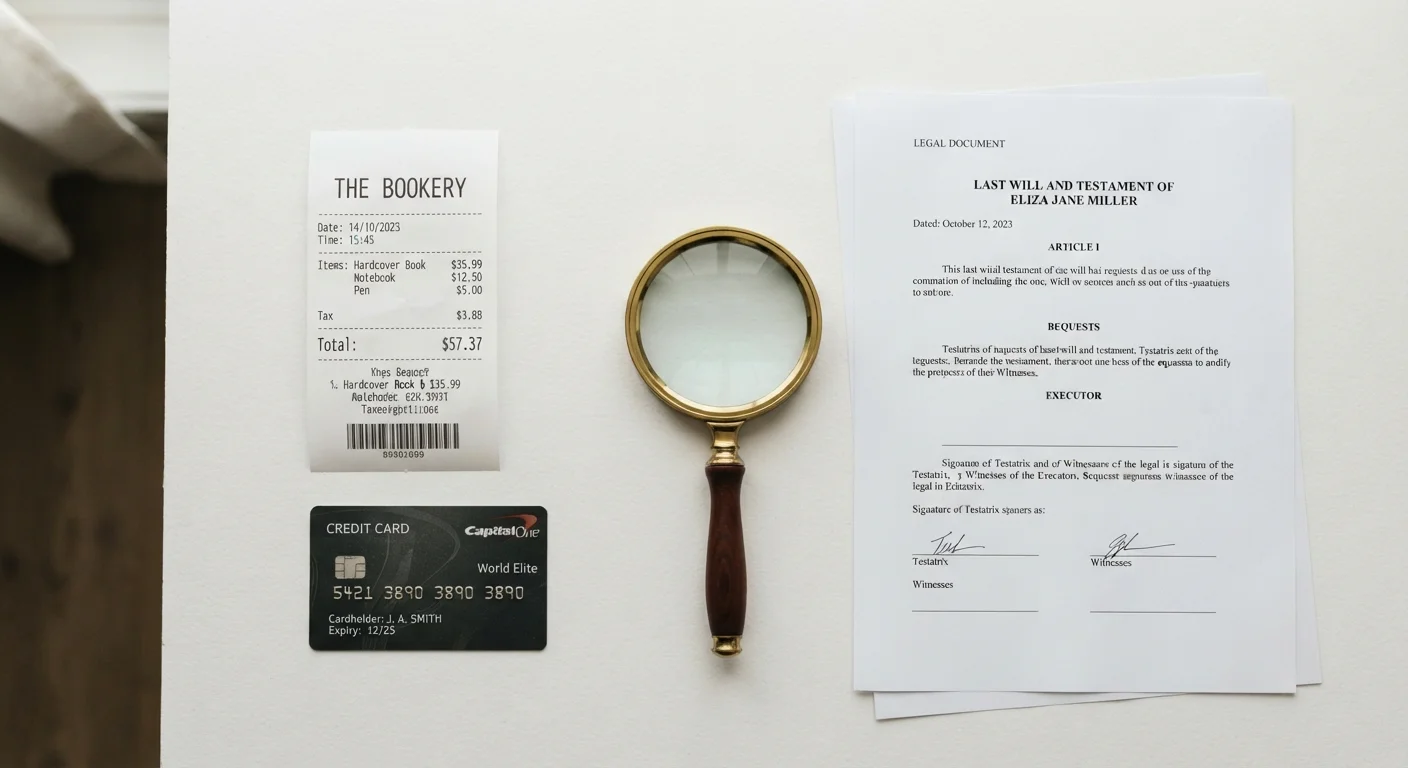
Photo credit: ArticlesHaven.net
In this article
Federal and state laws give shoppers specific protections around returns, warranties, billing errors, and fraud. Here's a plain-language reference.
The Legal Framework Protecting US Shoppers
Consumer protection in the United States operates on two levels: federal law sets a nationwide floor, while state laws often add stronger protections on top. Federal agencies - primarily the Federal Trade Commission (FTC) and the Consumer Financial Protection Bureau (CFPB) - enforce rules around deceptive advertising, billing disputes, and debt collection. State attorneys general enforce additional statutes that vary considerably by location.
Understanding where these rules apply matters when something goes wrong. A billing error with your credit card falls under federal jurisdiction; a deceptive return policy may be more effectively challenged under your state's consumer protection act. For a broader look at how to shop smarter at every stage, see The Informed Consumer's Complete Guide to Smarter Everyday Shopping.
| Federal agency for consumer complaints | Federal Trade Commission (FTC) (FTC.gov) |
| Credit card fraud liability cap (federal law) | $50 maximum (Fair Credit Billing Act) |
| Time to dispute a credit card billing error | 60 days from statement date (Fair Credit Billing Act) |
| Warranty disclosure requirement | Must be available before purchase (Magnuson-Moss Warranty Act) |
| Do Not Call Registry | donotcall.gov (FTC / TCPA) |
| Mail Order Rule shipping requirement | Ship within advertised time or offer refund (FTC Mail Order Rule) |
Key Rights Around Returns, Warranties, and Billing
Returns: Retailers are not federally required to accept returns - return policies are largely voluntary and set by individual stores. However, the FTC's Mail, Internet, or Telephone Order Rule (commonly called the Mail Order Rule) requires sellers to ship within the advertised timeframe or offer a refund. Before purchasing, check the return window, restocking fees, and whether clearance or digital items are excluded. Reading the Fine Print: A Shopper's Guide to Return Policies walks through what to look for before you buy.
Warranties: The Magnuson-Moss Warranty Act governs written warranties on consumer products sold in the US. It requires that warranty terms be made available before purchase and distinguishes between full warranties (which must repair or replace a defective product at no charge within a reasonable time) and limited warranties (which may impose conditions or costs). Separately, most states recognize an implied warranty of merchantability - an unwritten guarantee that a product will work for its basic intended purpose.
Billing errors: The Fair Credit Billing Act (FCBA) gives credit card holders the right to dispute billing errors - such as charges for goods not received, unauthorized charges, or math errors - within 60 days of the statement date. The card issuer must acknowledge your dispute within 30 days and resolve it within two billing cycles. You are not required to pay the disputed amount while the investigation is ongoing.
Implied Warranty of Merchantability
An unwritten, automatic guarantee under most state laws that a product will perform its basic intended function. It applies even when no written warranty is provided.
Chargeback
A reversal of a credit or debit card transaction initiated by the card issuer at the cardholder's request. It is used to dispute unauthorized charges or unresolved billing errors.
Magnuson-Moss Warranty Act
A federal law governing written warranties on consumer products. It sets minimum disclosure requirements and defines the difference between full and limited warranties.
Fair Credit Billing Act (FCBA)
A federal law that gives credit card holders the right to dispute billing errors and limits liability for unauthorized charges. It establishes specific timelines for dispute resolution.
Bait-and-Switch
A deceptive sales tactic in which an advertised product is unavailable or undesirable and the seller pushes a different, typically more expensive, item instead. This practice is prohibited under FTC rules.
Restocking Fee
A charge some retailers deduct from a refund when an item is returned. Amounts and applicability vary by store policy and are not regulated federally.
Protecting Yourself from Fraud and Deceptive Practices
The FTC Act prohibits unfair or deceptive acts in commerce. In practice, this covers misleading advertising, fake reviews, undisclosed fees, and bait-and-switch tactics. If you encounter any of these, you can file a complaint at ReportFraud.ftc.gov - the FTC uses these reports to identify patterns, though it does not resolve individual disputes directly.
Credit card fraud: Under the Fair Credit Billing Act and the Electronic Fund Transfer Act, your liability for unauthorized credit card charges is capped at $50 (and most major issuers waive this entirely). For debit cards, your liability depends on how quickly you report the fraud - reporting within two business days limits liability to $50; waiting longer can raise it significantly.
Telemarketing and spam: The Telephone Consumer Protection Act (TCPA) restricts unwanted robocalls and texts. The National Do Not Call Registry lets you opt out of most telemarketing calls. Email marketers are governed by the CAN-SPAM Act, which requires a clear opt-out mechanism in every commercial email.
State Laws Often Go Further
Many states have their own consumer protection statutes that exceed federal minimums - including stronger protections for auto purchases, home improvement contracts, and subscription cancellations. Your state attorney general's website is a reliable starting point for understanding what applies in your location. When in doubt, filing a state-level complaint can be more effective for local or regional businesses than a federal complaint.
For shoppers who rely on payment cards, understanding basic protections connects naturally to broader financial coverage - including how insurance categories like identity theft or purchase protection policies may supplement your legal rights.
How to Actually Use These Protections
Knowing your rights is only useful if you can act on them. Here's a practical sequence for common disputes:
- Document everything. Keep receipts, order confirmations, screenshots of advertised prices, and any written warranty terms. Time limits on many protections (like the FCBA's 60-day window) make prompt recordkeeping critical.
- Contact the seller first. Many disputes resolve faster through the retailer's own process. Put your complaint in writing - email creates a timestamp.
- Dispute with your card issuer. If the seller won't resolve a qualifying billing error or fraud, initiate a chargeback through your credit card issuer. Provide documentation of your prior attempt to resolve the issue.
- File a complaint with regulators. The FTC (ReportFraud.ftc.gov), CFPB (consumerfinance.gov/complaint), and your state attorney general's office all accept consumer complaints. State-level complaints often prompt faster responses for local businesses.
- Consider small claims court. For disputes under a few thousand dollars (limits vary by state), small claims court is designed to be accessible without an attorney.
Being an informed shopper also means understanding savings tools and their trade-offs - see Cashback, Coupons, and Promo Codes: Understanding the Savings Landscape for context on how promotions interact with standard return and refund rules.
2.6M+
Consumer fraud reports filed annually
According to FTC Consumer Sentinel Network data, over 2.6 million fraud reports were submitted by US consumers in a recent reporting year.
$50
Maximum federal liability for unauthorized credit card use
The Fair Credit Billing Act caps cardholder liability at $50 for fraudulent credit card charges; most major issuers waive this entirely.
60 days
Window to dispute a billing error under federal law
The FCBA requires consumers to notify their card issuer of a billing error within 60 days of the statement on which it appears.

Author
Articles Haven Editorial Contributor
Articles Haven Editorial Team is the collective byline for our editorial team and contributor network. Articles published under this byline or an editorial pen name are researched, written, and reviewed according to our editorial standards for clarity, consistency, and independence before publication.
View all articles →