
Buying New vs. Buying Refurbished: A Practical Framework
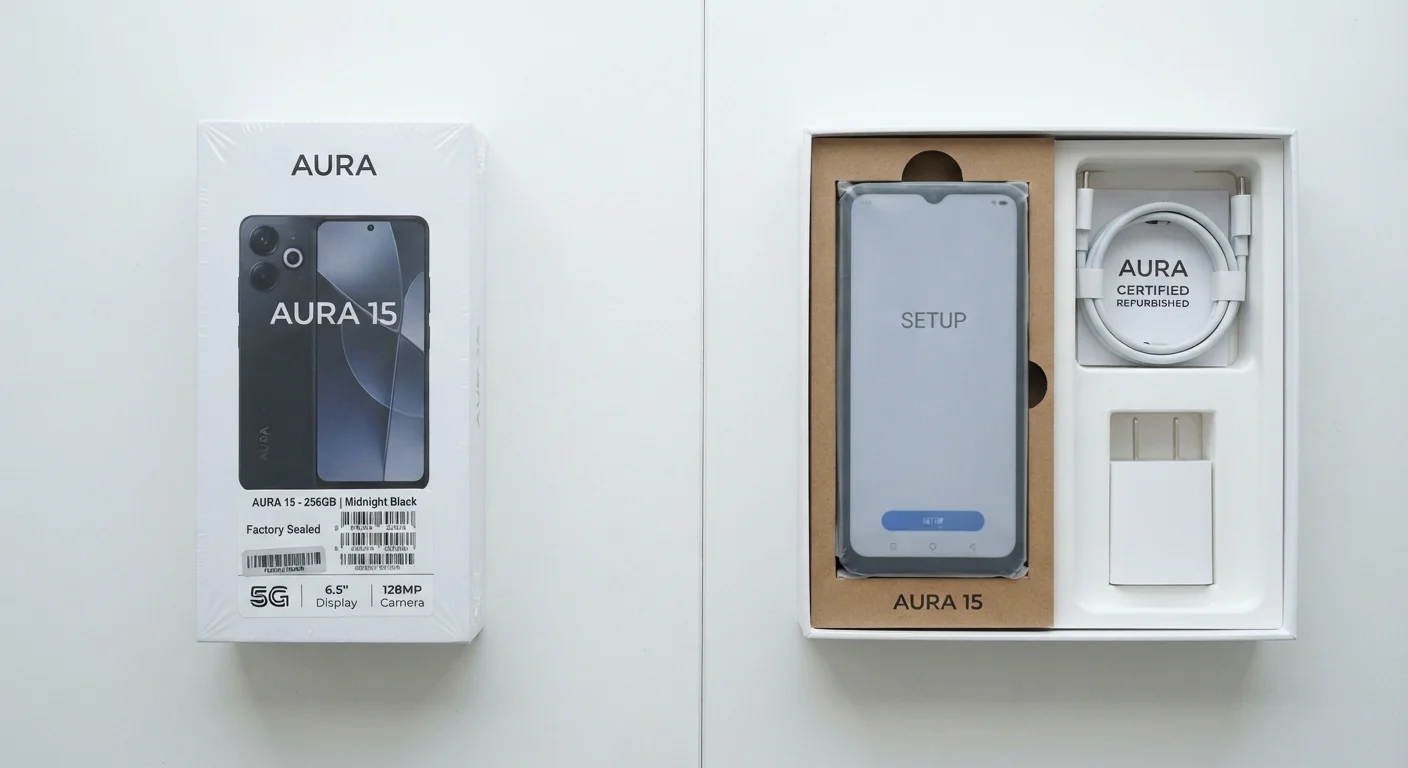
Photo credit: ArticlesHaven.net
In this article
Refurbished products can offer real savings, but the trade-offs depend on category, source, and warranty. Here's how to think through the decision.
Key Takeaways
- Refurbished products are inspected and repaired, not simply returned and resold - quality varies by source and certification tier.
- New products carry full manufacturer warranties; refurbished coverage is shorter and depends heavily on who sold the item.
- Category matters: electronics and appliances are stronger refurbished candidates than safety-critical or hygiene-sensitive goods.
- Certified refurbished programs from manufacturers typically offer the closest experience to buying new.
- The price gap between new and refurbished typically ranges from 15% to 40%, but savings vary widely by product and seller.
- Always verify return policy and warranty terms before purchasing any refurbished item.
What 'Refurbished' Actually Means
The word refurbished gets applied loosely, which is one reason shoppers remain skeptical. In practice, it covers a spectrum. At one end, you have manufacturer-certified refurbished units - returned products that have been fully inspected, repaired to working order, and repackaged under the original brand's quality controls. At the other end, you have third-party resellers using the same label for items that may have received minimal testing.
The source of the refurbished item is the single most important factor in this decision. A manufacturer-certified program is structurally different from a marketplace listing with "refurbished" in the title. Before comparing prices, identify who actually performed the refurbishment and what their process involves. See our checklist for comparing products fairly - it applies directly here.
Refurbished Grading Systems Vary by Seller
Many sellers use letter grades (A, B, C) or condition labels ("Like New," "Good," "Fair") to describe refurbished items, but these systems are not standardized across retailers. An "A" grade from one seller may not be equivalent to another's. Always read the condition description in full rather than relying on the grade label alone, and check whether cosmetic wear affects the item's functionality for your intended use.
Where Each Option Has a Clear Edge
Buying new makes straightforward sense when a product is safety-critical, hygiene-sensitive, or when you need the full manufacturer warranty for peace of mind. Car seats, bicycle helmets, smoke detectors, and personal grooming devices fall into this category. There's no practical way to verify a prior unit's history, and the margin for error is low.
Refurbished, on the other hand, makes a strong case in consumer electronics - laptops, tablets, smartphones, and audio gear - where components are standardized, faults are diagnosable, and certified programs are widely available. Appliances occupy a middle ground: simpler appliances with fewer electronics can be good candidates, while complex smart appliances carry more refurbishment risk.
| Criterion | Buying New | Buying Refurbished |
|---|---|---|
| Warranty coverage | Full manufacturer warranty (typically 1 year+) | Varies: 30 days to 1 year depending on seller |
| Price | Full retail price | Typically 15%-40% below new |
| Product history | No prior use | Previously returned or repaired |
| Reliability confidence | High - factory standards | Moderate - depends on certification tier |
| Best product categories | Safety, hygiene, new-release tech | Consumer electronics, prior-gen devices |
| Return policy | Standard retail policy | Shorter windows common; verify before buying |
For a parallel decision in a different category, the logic of new vs. used maps onto vehicle purchases too. Our article on buying new, used, or leasing a car walks through that version of the same trade-off.
Warranties, Return Policies, and What to Verify
New products typically come with a one-year manufacturer warranty as a baseline, with options to extend. Refurbished products vary considerably. Manufacturer-certified programs often include a 90-day to one-year warranty. Third-party sellers may offer 30 days or nothing at all.
Understanding warranty structure before you buy is non-negotiable. Our breakdown of extended vs. manufacturer warranties explains what each type actually covers and where the gaps tend to appear - relevant if you're weighing an extended plan on either a new or refurbished purchase.
15%-40%
Typical discount on certified refurbished electronics
Discount ranges vary by category, seller, and product generation; manufacturer-certified programs tend to sit at the lower end of savings.
90 days
Common minimum warranty on refurbished units
Many manufacturer-certified refurbished programs offer at least 90 days of coverage, though third-party sellers often provide less.
Return windows matter too. A 15-day return window on a refurbished laptop is materially weaker protection than a 30-day window with free shipping. Read the terms, not just the headline price.
Making the Call: A Practical Framework
Run through three questions before deciding. First: What category is it? Safety, hygiene, or high-complexity items lean new. Mainstream electronics lean refurbished-eligible. Second: Who is selling it? Manufacturer-certified programs are more reliable than generic marketplace listings - grade or certification tier matters. Third: What does the warranty and return policy actually say? Don't assume; look it up for the specific listing.
If you're uncertain about a product's specifications or how to evaluate the underlying value, a structured comparison-shopping routine can help you assess whether the savings are genuine before you commit.
Refurbished is not inherently inferior - and new is not inherently worth the premium. The right answer is specific to the product, the source, and what protection you need after the purchase. Treat it as a framework decision, not a rule.

Author
Articles Haven Editorial Contributor
Articles Haven Editorial Team is the collective byline for our editorial team and contributor network. Articles published under this byline or an editorial pen name are researched, written, and reviewed according to our editorial standards for clarity, consistency, and independence before publication.
View all articles →