
Electric Toothbrushes vs. Manual: What Dentists Actually Observe
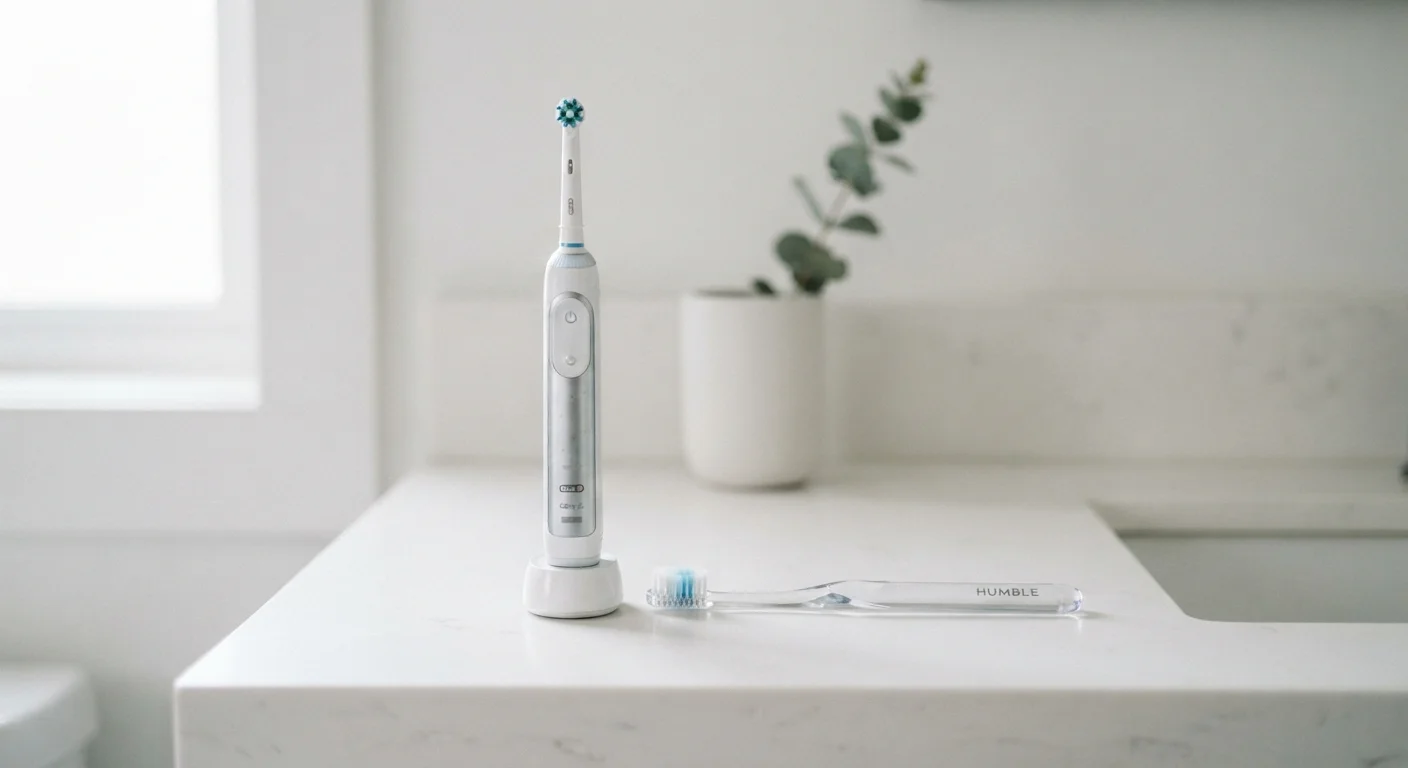
Photo credit: ArticlesHaven.net
In this article
The case for electric toothbrushes is strong—but technique matters too. Here's an honest comparison backed by dental research.
Key Takeaways
- Electric toothbrushes generally remove more plaque than manual brushes, according to multiple clinical reviews.
- Proper brushing technique with a manual brush can still yield excellent oral health outcomes.
- Cost, accessibility, and personal ability to maintain technique are all legitimate factors in the choice.
- Dentists often recommend electric brushes for patients with gum disease, limited dexterity, or poor technique habits.
- Neither option replaces flossing or regular professional cleanings.
What the Research Actually Shows
The debate between electric and manual toothbrushes has been studied more rigorously than most dental hygiene questions. A widely cited Cochrane systematic review - one of the most comprehensive types of evidence summaries in medicine - found that powered toothbrushes reduced plaque by around 21% and gingivitis by around 11% more than manual brushes after three months of use. Those aren't dramatic numbers, but they're consistent and clinically meaningful over time.
What's important to understand is that most of this evidence compares average users. In controlled studies, participants aren't necessarily brushing with perfect technique - they're brushing as they normally would. That's actually the more realistic scenario, and it's where electric brushes tend to pull ahead: they compensate for common technique errors like brushing too hard, missing the gumline, or cutting the session short.
21%
More plaque reduction vs. manual
A Cochrane systematic review found oscillating-rotating electric brushes reduced plaque 21% more than manual brushes at three months.
11%
Greater gingivitis reduction
The same Cochrane review reported an 11% reduction in gingivitis scores favoring powered toothbrushes over manual after three months.
2 min
Recommended brushing duration
Most dental associations recommend brushing for two full minutes; studies suggest the average adult brushes for under 90 seconds without a timer.
Electric toothbrushes - particularly oscillating-rotating types - do much of the mechanical work for you. Manual brushes require the user to generate the correct motion, pressure, and angle consistently. Most people don't.
Where Manual Brushes Still Hold Their Ground
Manual toothbrushes aren't obsolete. Used with proper technique - the modified Bass method, for example, which involves angling the brush at 45 degrees to the gumline and using short, gentle circular strokes - a manual brush can remove plaque effectively and protect gum tissue without causing abrasion.
There are practical cases where manual brushes make sense. They require no charging, have no moving parts to break, cost a fraction of the price, and are available everywhere. For travelers, people on tight budgets, or anyone who has genuinely developed reliable brushing habits, a manual brush remains a legitimate choice. The key word is genuinely - self-assessed technique is often more flattering than what a dentist sees in the chair.
Technique Check: What Dentists Look For
If you use a manual brush, ask your dentist or hygienist to evaluate your technique at your next cleaning - not just your results. Common issues include brushing too hard, missing the back molars, and neglecting the inner surfaces of teeth. A one-time technique correction can make a manual brush significantly more effective for years to come.
Children's oral health is another nuanced area. Powered brushes designed for kids can make the process more engaging and ensure adequate time, but a parent-supervised manual brush used properly is also appropriate. If you're navigating choices for a child or someone with specific dental needs, a pediatric or general dentist is the right resource - not a product label.
Side-by-Side: Key Differences at a Glance
Before diving into specific use cases, it helps to compare the two options across the factors that matter most in real life. This isn't about declaring a winner outright - it's about identifying where each type genuinely performs better.
| Electric Toothbrush | Manual Toothbrush | |
|---|---|---|
| Plaque removal | Clinically higher average reduction | Effective with correct technique |
| Technique dependency | Low - brush compensates for errors | High - user must apply correct motion |
| Upfront cost | Moderate to high | Very low |
| Ongoing cost | Replacement heads every 3 months | Full brush every 3 months |
| Travel convenience | Requires charging or batteries | No power needed, lightweight |
| Built-in timers/sensors | Common in mid-range and above | Not available |
| Recommended for limited dexterity | Yes - widely recommended | Requires adaptation or assistance |
| Gum pressure control | Pressure sensors on many models | User must self-monitor |
As with many product comparisons - similar to the kind of trade-offs explored in evaluating products side by side - the numbers don't tell the whole story. Practical factors like your lifestyle, dental history, and consistency of use often matter more than spec differences.
Who Should Lean Toward an Electric Brush
Dentists tend to lean toward recommending electric toothbrushes for certain patient profiles more than others. These include:
- People with gum disease or a history of gingivitis - where reducing bacterial load at the gumline matters most.
- Orthodontic patients - brackets and wires create plaque traps that benefit from powered agitation.
- Older adults or those with arthritis or limited grip strength - the brush does the fine-motor work for you.
- Anyone who consistently brushes for less than two minutes - built-in timers create an accountability mechanism that manual brushes can't match.
- People who brush too aggressively - many electric models include pressure sensors that alert users before they cause gum or enamel damage.
None of this means a manual brush is wrong for everyone else. It means the electric option removes more variables - which matters more for some people than others.
Electric Brushes Aren't Foolproof
An electric toothbrush used incorrectly - pressed too hard, held at a poor angle, or rushed - won't deliver its full potential benefit. Some users also develop a false sense of security and skip flossing, which no toothbrush replaces. Electric brushes reduce technique errors but don't eliminate the need for attention and consistency.
Cost, Accessibility, and the Long View
Entry-level electric toothbrushes with replacement heads represent a meaningful ongoing cost compared to manual brushes, and that's a real consideration - not one to dismiss. Replacement heads should be swapped every three months, just like a manual brush. Over the course of a year, the cost difference is notable.
That said, the calculus changes if electric brush use measurably reduces the frequency of cavities, gum treatments, or deep cleanings - all of which carry their own costs. This isn't a guarantee; it depends on individual circumstances. But it's worth framing the purchase as a potential long-term investment rather than a pure luxury, especially for households where dental care costs are a recurring concern.
Just as battery technology has closed performance gaps in tools - as explored in comparisons like corded vs. cordless power tools - electric toothbrush technology has improved significantly in the entry-level segment. Effective oscillating-rotating brushes are no longer exclusively premium products.
This article is for general informational purposes only and does not constitute dental or medical advice. Consult a licensed dental professional for guidance specific to your oral health needs.

Author
Articles Haven Editorial Contributor
Articles Haven Editorial Team is the collective byline for our editorial team and contributor network. Articles published under this byline or an editorial pen name are researched, written, and reviewed according to our editorial standards for clarity, consistency, and independence before publication.
View all articles →