
Things That Affect Bundle Availability at Your Address
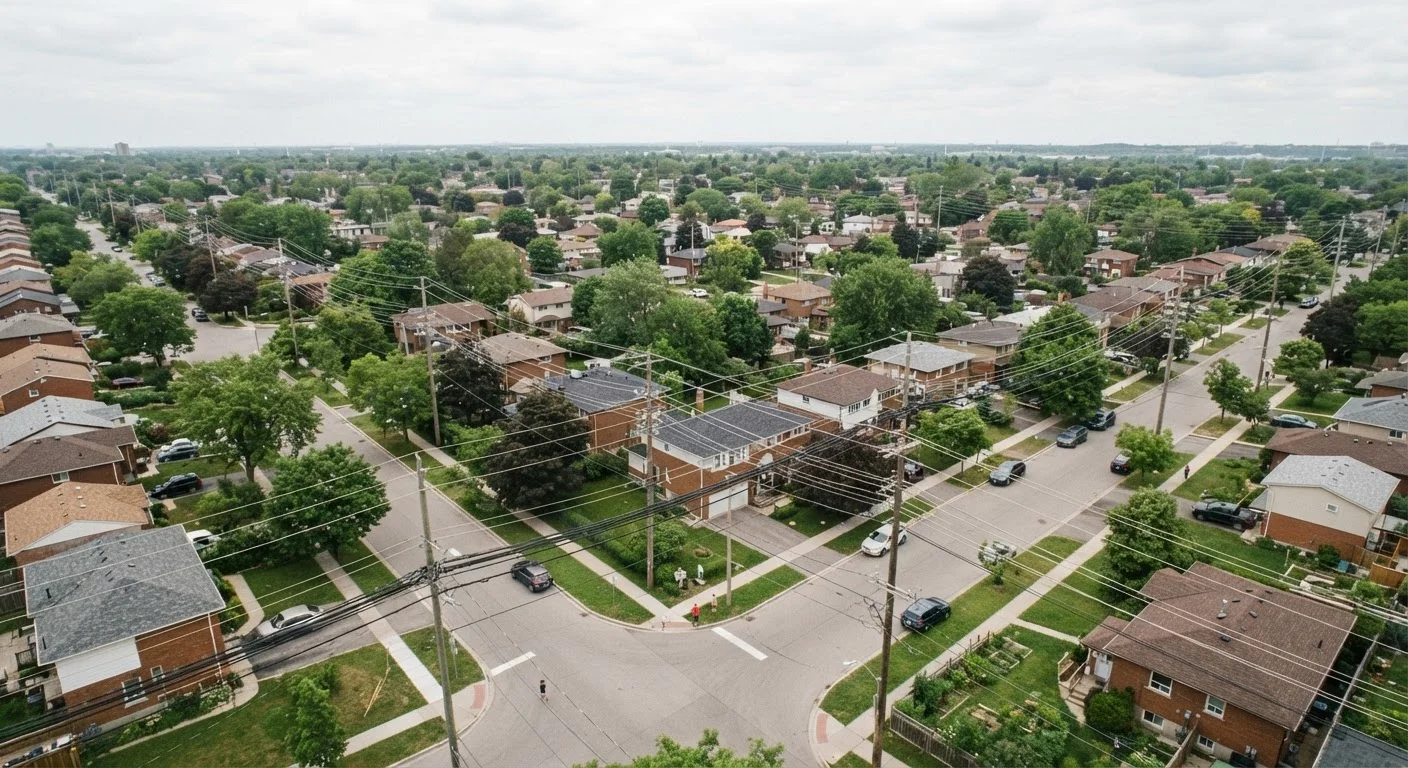
Photo credit: ArticlesHaven.net
Where you live determines which bundles you can actually get. Understand the infrastructure and provider factors that shape your options.
Key Takeaways
- The physical infrastructure at your address is the single biggest limiter of bundle availability.
- Urban and suburban households typically have more bundle options than rural ones.
- Multiple providers can serve the same zip code but not the same street or building.
- Franchise agreements and regulatory decisions influence which providers can legally operate in an area.
- Checking availability at your exact address - not your zip code - is essential before shopping.
Why Your Address Is the Starting Point
Shopping for a telecom bundle starts with a question that sounds simple but often isn't: what's actually available where you live? Your zip code may list several providers, but that doesn't mean each one can serve your specific address. Internet availability varies street by street - and the same principle applies to bundled services that combine internet, TV, and phone.
Before comparing prices or weighing contract terms, it helps to understand the structural reasons why one household might have three bundle options while a neighbor a block away has one. The factors below shape what's on the table before you ever call a provider.
Physical Network Infrastructure
The most fundamental factor is what physical network exists at or near your address. Fiber-optic lines, coaxial cable, copper telephone wire, and fixed wireless towers each support different types of service - and each requires significant capital investment to build or extend.
If a provider hasn't run fiber to your street, they can't offer a fiber-based bundle there. Cable systems follow franchise maps that were built out over decades, and gaps exist even in otherwise well-served areas. This is why the phrase "service availability varies by location" appears in nearly every provider's fine print. It's not legal boilerplate - it reflects a real engineering reality.
If the physical line doesn't reach your address, the bundle package simply doesn't exist for you.
Provider Franchise Agreements and Service Territories
In most of the US, cable and telephone providers operate under franchise agreements with local governments. These agreements define which geographic territories a provider is authorized to serve. Even if a provider's network could technically reach your home, they may not hold the franchise rights to offer service in your municipality.
This matters for bundles because many providers only offer their full triple-play or double-play packages within their licensed territory. Outside those boundaries, the same company may offer nothing - or only a stripped-down version through a resale arrangement. Understanding how telecom bundles are structured can help clarify why these territorial limits affect what's packaged together.
Franchise territories, not just network coverage, determine which providers can legally serve your address.
Urban Density and Infrastructure Investment
Providers invest in infrastructure where they can recover costs across the largest number of customers. Densely populated urban and suburban areas tend to attract more providers and more infrastructure upgrades - meaning more bundle competition and more service tiers to choose from.
Lower-density areas present a different picture. Rural bundle offerings often look very different - fewer providers, older technology types, and more limited channel or speed packages. A household 20 miles outside a metro area might have one viable bundled option where a nearby suburb has three.
Density drives infrastructure investment, which directly expands the number of bundle options available.
Multi-Dwelling Unit Agreements
If you live in an apartment, condo, or other multi-dwelling unit (MDU), your available bundles may be determined by an agreement your building owner or HOA signed with a specific provider. These bulk-service or exclusive-access contracts can mean only one provider is wired into the building's infrastructure - regardless of what's available on the street outside.
Some MDU agreements grant a single provider exclusivity for a set number of years. Others simply reflect which provider the building owner chose to allow wiring access. In either case, residents may have no practical ability to switch providers even if competitors technically serve the surrounding area.
Building-level provider agreements can override neighborhood-level competition entirely.
Technology Type Available at Your Address
Not every technology type supports bundled services equally. DSL over aging copper lines often can't support high enough speeds to be packaged with streaming-quality TV service. Fixed wireless internet - common in rural areas - may lack the bandwidth consistency that makes a video bundle practical.
Conversely, fiber-to-the-home connections support the full range of bundled offerings and often unlock the most competitively priced tiers. The technology type reaching your address sets a ceiling on what any bundle at that address can realistically deliver. You can explore home internet plan options by technology type to better understand what's typically available in different infrastructure environments.
Your connection technology sets a hard ceiling on what any bundle at your address can actually deliver.
Zip Code vs. Address-Level Availability
Provider coverage maps and availability checkers at the zip-code level can be misleading. A zip code may be listed as "served" if even a fraction of addresses within it receive service - meaning a provider could technically cover part of your zip code while leaving your specific street unserved.
Always verify availability using your full street address, not just your zip code or city. Most providers offer address-level lookup tools, and third-party comparison sites often do as well. This single step prevents the frustration of comparing bundle options that turn out to be unavailable once an actual order is placed. Once you know what's genuinely available, understanding what's negotiable on your bundle bill becomes the more useful next conversation.
Always verify availability at your exact street address - zip-code coverage maps frequently overstate service reach.
What This Means When You're Comparing Options
Once you understand these infrastructure and regulatory limits, the bundle-shopping process becomes more focused. Instead of asking "which bundle is best?" you can ask "which bundles are actually available to me, and how do they compare?" That's a more answerable question - and it prevents wasted time on packages that look attractive but aren't accessible at your address.
Always Check at the Address Level
When researching bundle availability, use a provider's address-specific lookup tool rather than relying on zip-code or city-level coverage maps. A zip code listed as "covered" may include streets or buildings that are not actually served. Running a full address check before comparing packages saves significant time and avoids the disappointment of selecting a plan that can't be provisioned at your home.
If you're evaluating a bundle's long-term value after confirming availability, it's worth reviewing factors that shape a bundle's value over time, including rate-lock periods and equipment policies. And if your household's needs have shifted, reassessing whether your current bundle still fits is a practical next step.
Availability Can Change Over Time
Providers periodically extend their networks, upgrade technology types, or enter new franchise territories. An address that had limited bundle options two or three years ago may now have more. If you checked availability in the past and found few choices, it's worth rechecking - especially in areas where fiber deployment has been actively expanding. Conversely, provider consolidations and service withdrawals can reduce options in some markets.

Author
Articles Haven Editorial Contributor
Articles Haven Editorial Team is the collective byline for our editorial team and contributor network. Articles published under this byline or an editorial pen name are researched, written, and reviewed according to our editorial standards for clarity, consistency, and independence before publication.
View all articles →